|
|
Grade Level 7-12
Subject History
Estimated Time of Required 1 class period
for each of the document analysis activities outlined
below (photographs of Antietam; Emancipation Proclamation).
8 class periods for all activities, including Civil War
newspapers.
Overview
In this lesson students write Civil War newspapers about
the Battle of Antietam from the opposing perspectives
of North and South. They begin by analyzing a series of
photographs of the battlefield. After writing their newspapers,
which encompass many topics about the military, political
and economic aspects of the war, students analyze the
consequences of the Battle of Antietam. The lesson ends
with a set of documents about the Emancipation Proclamation,
which Lincoln issued shortly after visiting the battlesite.
The newspaper format outlined in the lesson can be adapted
to focus on other Civil War events (see Extensions).
Objectives
• To learn about the significance of a major Civil
War battle.
• To understand the importance of point of view;
"facts" can be interpreted differently by opposing
sides.
• To understand the relationship of the Battle of
Antietam to the changing goals of the war: Issuance of
the Emancipation Proclamation.
• To learn to analyze primary documents
• To learn to write news articles and work in cooperative
learning teams
Materials
• The web addresses listed within the body of the
lesson.
• Printers and copy machines for duplicating on-line
resources and student newspapers
• A computer program that generates self published
newspaper formats (optional)
• Episode 3
of The Civil War series, highly recommended but
not required.
Relevant Standards
This lesson correlates to the National Standards for History,
National Center for History in the Schools located online
at http://www.sscnet.ucla.edu/nchs/standards/
Era 5, Standard 2
• The student understands how the resources of the
Union and Confederacy affected the course of the war.
• Identify the turning points of the war and evaluate
how political, military, and diplomatic leadership affected
the outcome of the conflict.
• Evaluate provisions of the Emancipation Proclamation,
Lincoln’s reasons for issuing it, and its significance.
This lesson correlates to standards for Language Arts
of the Mid-Continent Research for Education and Learning
at http://www.mcrel.org/
• Uses content, style and structure appropriate
for particular audiences
• Uses strategies to generate ideas for written
work
• Uses strategies to edit and publish written work
Procedure
Activity I: Photographs of the Battle
of Antietam
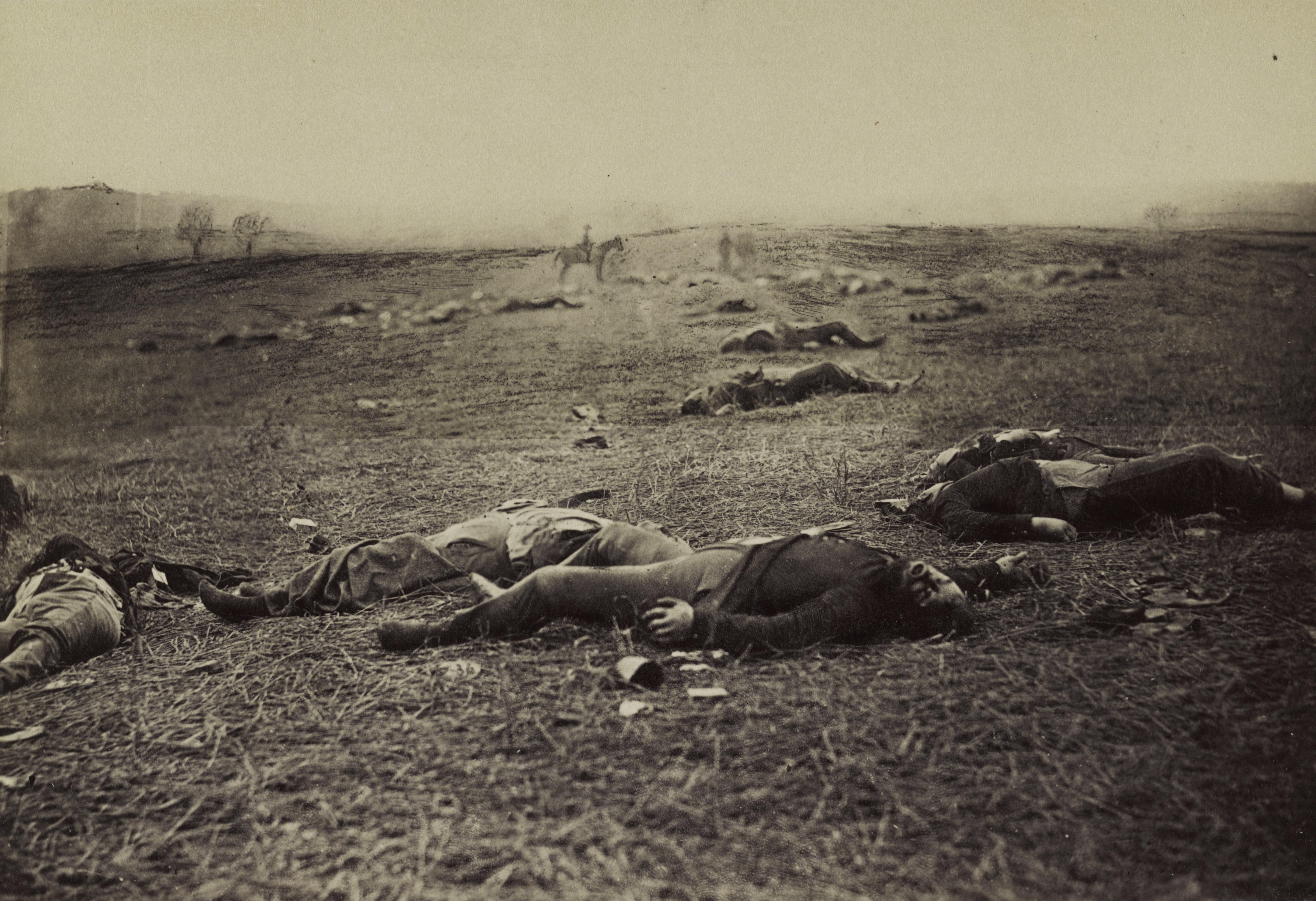
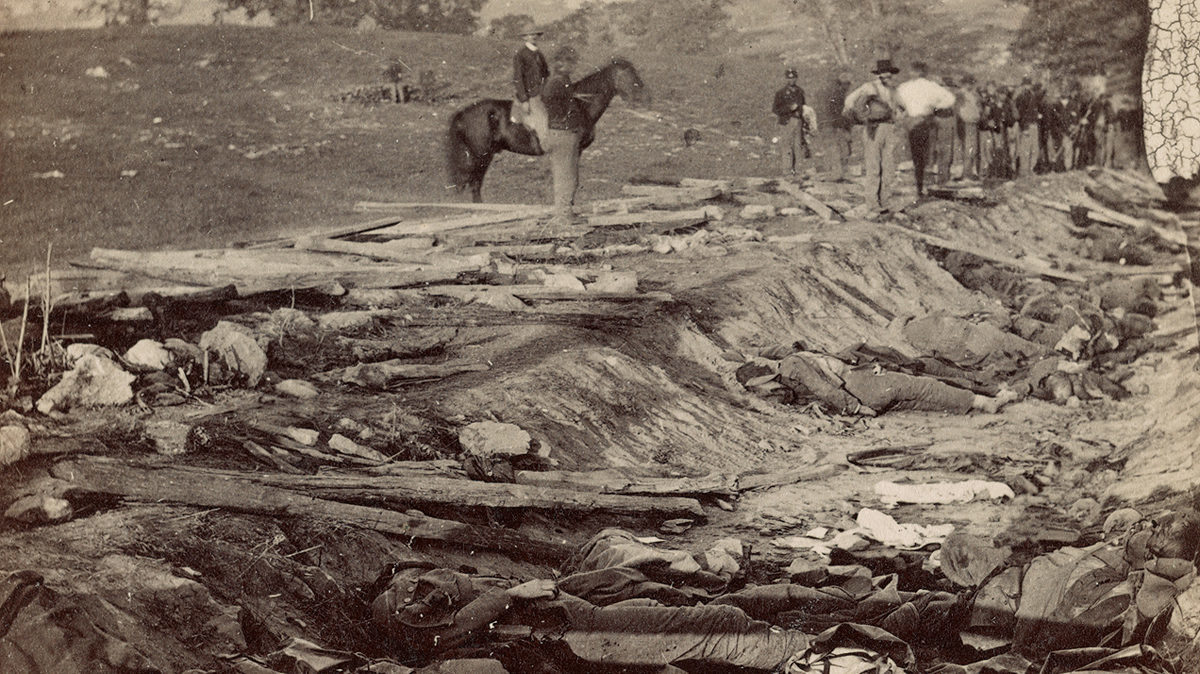
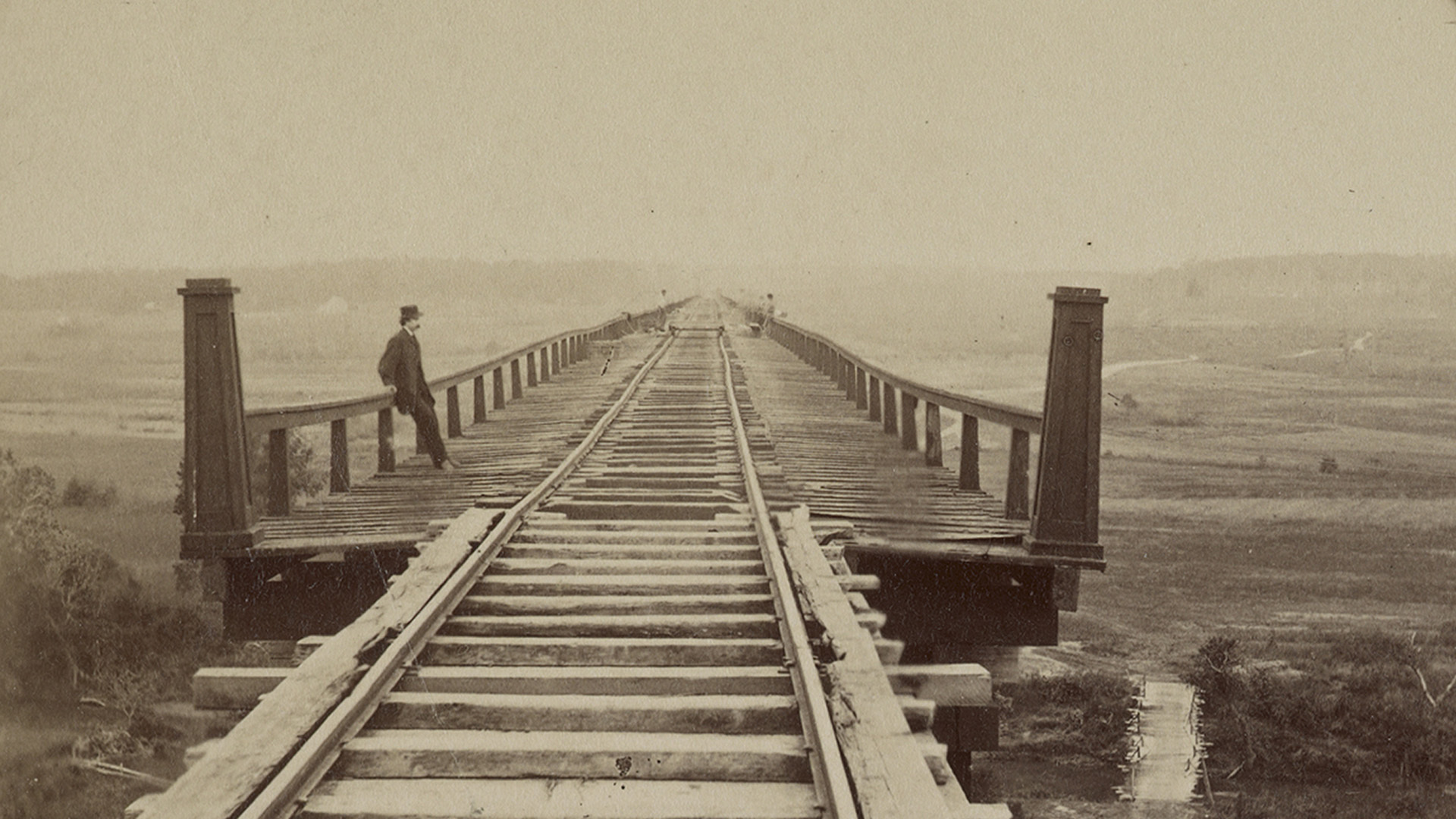
Divide the class into small groups so that each group
can study one of the photographs listed below. Tell students
that all of the photographs, taken by Alexander Gardner,
concern the battle of Antietam (also known as Sharpsburg)
fought on September 17th, 1862. Distribute to each group
a print of the photo, and only later in the activity the
bibliographical information which can be downloaded by
clicking on a box above the photo.
Each group of students should then fill in a Photo Analysis
Worksheet available from the National Archives for the
photo they have been assigned to and/or a similar form
available at American Memory.
Photo Analysis Forms:
http://www.archives.gov/digital_classroom/lessons/analysis_worksheets/
photo.html
http://memory.loc.gov/ammem/ndlpedu/lessons/98/brady/
photo.html
The photographs to use are the following sampling, available
at the
Library of Congress, American Memory (http://memory.loc.gov).
Copy and paste the following phrases into the collections
search box (http://memory.loc.gov/ammem/mdbquery.html)
1. Confederate dead by a fence on the Hagerstown Road
2. Another View of Antietam Bridge
3. Bodies of Confederate dead gathered for burial
4. Antietam on the day of the battle
5. Keedysville, Md. Smith’s barn used as a hospital
after the battle of Antietam.
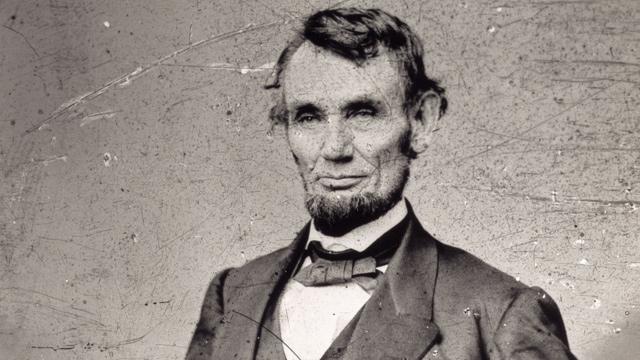
6. President Lincoln and Gen. George McClellan in the
general’s tent.
7. Antietam, principal street
8. Confederate dead at Smith’s barn with Dr. Heady
and Indiana Volunteers in attendance.
9. A blacksmith shoeing horses
10. President Lincoln, Gen. George McClellan and a group
of officers.
For more photographs like these put in "Antietam"
and "Gardner" as keywords.
When all students have finished filling in their photo
analysis sheets distribute the bibliographic information
and ask students to add anything else they have learned
from them to their worksheets.
Then pose the following questions in class discussion.
Ask each group to show their photo to the rest of the
class as discussion ensues.
• When were these photographs taken: before, after
or during the battle? What is your evidence?
• What were the limitations placed on photographers
given the state of photographic technology during the
1860’s? Why would this make action photography very
rare? For information go to http://memory.loc.gov/ammem/cwphtml/cwtake.html
• Were these photos taken by the Union side or the
Confederates? What is your evidence?
• Did the battle of Antietam, Maryland take place
on Union or Confederate territory? How far is it from
Washington, D.C.? (Ask students to look at maps in their
texts for this purpose.) Why do they think Lincoln visited
Antietam? Did he do so before or after the battle? As
president, what was his role in conducting the war? What
might he be discussing with McClellan?
• If you wish to further speculate with students
about the battle you can down load a variety of maps about
the battle from the Civil War map collection at American
Memory
http://memory.loc.gov/ammem/gmdhtml/cwmhtml/cwmhome.html
• What may have been important about this battle,
based on what we can gather from the photographs? What
did the "battlefield" consist of?
• Imagine you are standing within the frame of one
of these photos in 1862. What would you be feeling or
thinking?
• If you were living elsewhere in 1862, how would
you have learned about this battle? Not only was there
no TV or radio, but photographs such as these could not
be mass produced for newspapers (although lithographs
could be).
• If you were living in 1862, what would you want
to know about the events, leaders, fighting men, aftermath
and consequences of this battle?
• Would Northerners tell the same story about the
battle as Southerners? How might their accounts differ?
Why?
• Now ask the class to decide in which order they
think the photographs may have been taken. Post them on
a bulletin board in that order. Leave these up for the
duration of the lesson.
Activity 2: What Was at Stake at Antietam?
Show the introduction to Episode 3 of The Civil War, which
lasts approximately 7 minutes, or cover similar material
by having students read their texts.
After viewing the video segment elicit information from
students under the following headings written on the blackboard:
• General Lee VS General McClellan
• Union VS Confederate progress up until September,
1862.
Then ask:
• Why was Lee invading the North, and especially
a border state at this time? What were his goals?
• Why was it especially critical for the Union to
have a victory at this time?
Make certain that students understand these two points:
• England was on the verge of recognizing the Confederacy
as a separate nation. Thus far the South had successfully
defended itself.
• Lincoln, who was moving closer towards declaring
the Emancipation of the slaves in the Confederacy, needed
a clear victory before he could do so. Europe would have
a harder time supporting a Confederacy under siege if
the mission of the Civil War were to end slavery in the
South (which up until this time had not been the case).
Continue by showing a segment of "Saving the Union"
beginning at approximately 27 minutes and stopping into
"Antietam" just before the battle is described
at approximately 42 minutes.
Focus on the following statement by Lincoln, quoted in
the video segment. It was written to Horace Greeley on
August 22, 1862 less than a month before the battle of
Antietam.
"My paramount object in this struggle is to save
the Union, and is not either to save or destroy slavery.
If I could save the Union without freeing any slave, I
would do it; and if I could save it by freeing all the
slaves, I would do it; and if I could it by freeing some
and leaving others alone, I would also do that."
Take each of the three possibilities Lincoln offers and
discuss them separately with the class. What might be
the consequences of each option? Why are the border states
(Delaware, Maryland, Kentucky and Missouri) of critical
importance to the survival of the Union? Ask students
if they know which option Lincoln finally chose. Ask them
if they agree with his priorities, and if so why or why
not.
Activity 3: Multiple Perspectives of the Battle
of Antietam
Tell the class that they are now going to learn about
the Battle of Antietam itself. As they do so they will
become reporters for either a Southern or Northern newspaper.
Remind students that no one knew at this time who would
win the Civil War.
Make it clear to students that as reporters they are role
playing, and therefore they are not necessarily expressing
their personal views.
Now continue to watch the video segment "Antietam"
beginning with the Battle of Antietam itself approximately
34 minutes into the video, and ending when you reach "The
Higher Ground." Students should now recognize many
of the scenes from the photos they analyzed. After the
viewing ask students to look at the way they sequenced
the Gardner photographs. Do they wish to rearrange them,
and if so how?
Students should take notes as they watch from the perspective
of their assigned viewpoint. Explain that in the 1860’s
newspaper reporters were unabashedly partisan. Therefore
students should feel free to glorify their cause and slant
the news.
After viewing the segment hold a discussion.
Ask members of each team to describe the "news"
of what happened at Antietam. How would each side view
the role of their generals? The fighting men? The causes
for which they are fighting? The goals they accomplished
or the ones frustrated by the opposition?
[If you do not have the video, ask students to read about
Antietam in their texts, and with them walk slowly through
the events.]
Activity 4: Newspaper Assignments
Divide the class into the number of newspaper teams you
desire. For example in a class of 32 students you could
have only one Northern and on Southern newspaper, with
each student assigned to write one article from the list
below. Or you could have 2 or 3 Northern and 2 or 3 Southern
papers with each student assigned to write 2 or 3 articles
from the same list. Newspapers can be generated using
a computer program or typed and "cut and pasted"
by hand, in which case final copies can be photocopied.
Newspaper teams should begin by deciding on the city from
which they are publishing, a name and masthead. The newspaper
should be issued on September 23, 1862 one week after
the battle.
Interesting variations would be to have one Northern newspaper
be published by free blacks and abolitionists, another
published from the border state of Maryland itself where
most residents sympathized with the Confederacy.
Working as cooperative teams, newspapers can assign tasks
to group members such as:
• Editor-in-chief
• Editors of various bureaus, (battlefront, politics,
home front, etc)
• Copy editors
• Layout and visuals (students can incorporate pictures
of Lincoln, the battle itself and so forth, downloaded
from the web.
Before students start to write, ask them to look at examples
of 19th century journalism on line. The following sites
are useful:
The Valley of the Shadow: The War Years. Go to "Newspapers"
http://www.iath.virginia.edu/vshadow2/cwnewspapers.html
(There are actual accounts of the Battle of Antietam in
The Valley Spirit
Search "Nineteenth Century Periodicals"
(http://memory.loc.gov/ammem/ndlpcoop/moahtml/ncphome.html)
at American Memory
Run a search for "Frank Leslie’s Illustrated
Newspaper" using Google or similar search engine.
"The Civil War: A Newspaper Perspective" at
University of Virginia http://etext.lib.virginia.edu/civilwar.html
Writing Assignments:
Battlefront
• Events of the battle of Antietam, September 17,
1862
N: Lee forced to retreat after losing 1/3 of his men.
S: Lee attacks the North and inflicts worst casualties
yet.
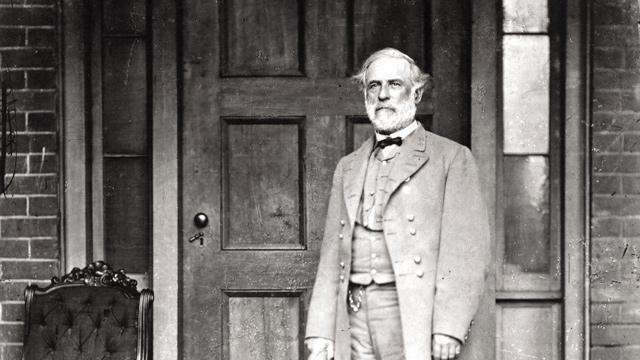
• Robert E. Lee
N: Traitor to his country
S. Greatest military genius of the age.
• George B. McClellan
N: Beloved by his men, organizational genius
S: Slow moving bungler
• The War elsewhere
N: Union blockade of South takes its toll
Progress in the West
S: Brave blockade runners.
Counterattack in the West.
Politics
• Lincoln Issues Preliminary Emancipation Proclamation
on September 22 (see Activity 5)
N: A war to end slavery.
Negroes ready to enlist.
S: Lincoln breeds insurrection among loyal slaves as a
cynical war tactic.
• Foreign Affairs
N: On strength of Antietam and Emancipation Proclamation,
England veering away from recognizing the Confederacy
S: England will never do without our cotton.
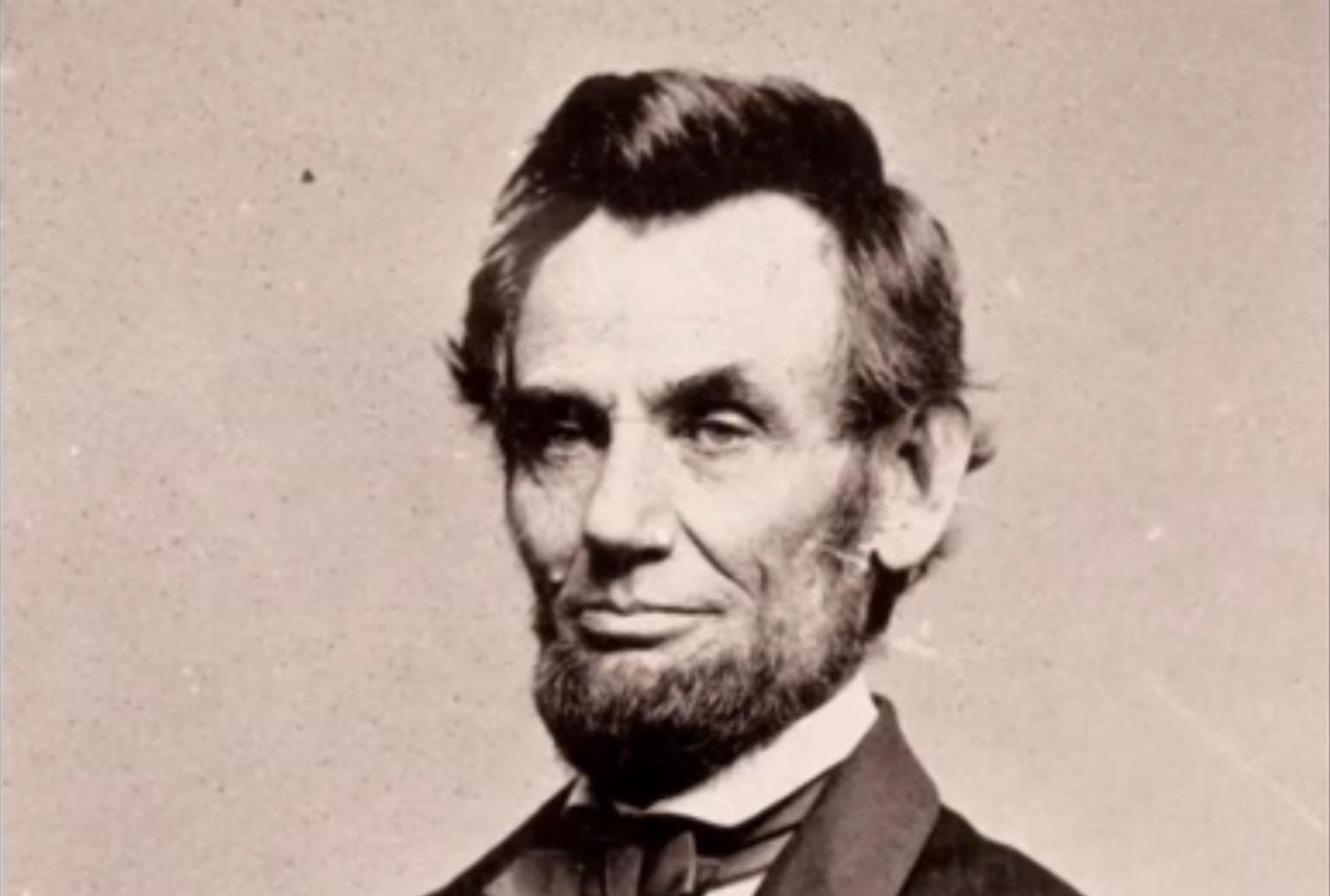
• Abraham Lincoln, a biographical portrait and/or
interview
N: Savior of the Union
S: Aggressor in an unnecessary war.
• Jefferson Davis, a biographical portrait and/or
interview
N: Ineffective leader of a weak government
S: Brave leader of a new democracy
Homefront
• Casualty lists and portraits of fallen heroes
(These can be fictional on both sides)
• Homefront and Our Women
Work in hospitals, field and factories, charities, relief
societies on both sides.
• War Industries
N: Industrial strength of our factories and railroads
will help us win the war.
S: Effect of blockade, inflation taking its toll.
• African Americans in the war
N: Southern slaves desert plantations. Interview with
Frederick Douglass. Struggle to win right to fight
For the Union bearing fruit.
S: Slaves work in factories to aid the war effort.
Entertainment and Advertisements
• Reviews of books, latest songs, fundraising events,
concerts on both sides.
• Serialized story in the sentimental style of the
day for
both sides
• Advertisements such as fashion, new inventions,
medical
cures, etc.
Editorials
• Significance of the battle
N: England backs down from recognizing the Confederacy
Emancipation Proclamation soon to be issued.
Lee’s army nearly destroyed
S: Lee inflicts heavy casualties in a daring attack on
North; he will return.
Another show of Northern ineptitude and lack of will.
• Why we must keep fighting
N: The Union and democracy must be saved
S: The right to form our own governmentFor student research
into some of these topics suggest they use the following
collections of American Memory (http://memory.loc.gov/ammem/
):
Frederick Douglass Papers
Abraham Lincoln Papers
Nineteenth Century Periodicals
Slave narratives
Civil War Images
Civil War Maps
Civil War Brady Studios
Sunday School Books
Advertising
Sheet Music (1850-1920)
Abraham Lincoln, the Civil War and Sheet Music
For suggestions about how to write news articles go to
"How to Write a News article" at "The Brady
Bunch"
(http://memory.loc.gov/ammem/ndlpedu/lessons/98/brady/
home.html) site of American Memory. Note however,
that the 19th century did not adhere to our standards
of objectivity. Quite the contrary, florid rhetoric and
overt partisanship were the norms. (See the opening page
of the Civil War newspaper section of In the Valley
of the Shadow) However students should be careful
not to alter the facts, only the light in which they present
them. For example, the North suffered greater casualties
than the South at Antietam. But Lee lost one quarter of
his army, percentage wise a much greater loss than the
North suffered. How the facts are presented alters our
perceptions of events.
Activity 5: The Significance of Antietam in Relation to
the Emancipation Proclamation
Once the newspapers are completed generate copies of them
for each class member. Assign the class to read all newspapers
for class discussion and then ask the following questions:
• Do you think the ultimate significance of the
Battle of Antietam was or could be understood in 1862?
• How might the course of history have changed had
Lee successfully invaded the North at Antietam?
• What might have happened had McClellan successfully
pursued Lee’s army after the battle?
• What might it have been like to have lived through
these times had you been a soldier, woman, slave or freed
person?
• What effect might the battle have had on the issuance
of the Emancipation Proclamation?
To answer this final question you will need to access
the following documents from the
Abraham Lincoln papers at American Memory (http://memory.loc.gov/ammem/alhtml/malhome.html):
"Lincoln’s July 12, 1862 Address to Border
State Representatives Draft"
"July 22, 1862 Preliminary Draft of the Emancipation
Proclamation."
"September 22, 1862 Preliminary Emancipation Proclamation"
"January 1, 1863 Final Emancipation Proclamation-Final
Draft"
Divide the class into four groups and give to each group
one of the documents listed below.
Ask each group to fill in a Document Analysis Worksheet
available from the National Archives Digital Classroom
at:
http://www.archives.gov/digital_classroom/lessons/analysis_worksheets/
document.html
In addition have them answer the following questions:
• Who issued the document, on what date, to what
audience?
• What are the suggested means of fowarding emancipation
in the document? (e.g. Federal compensation, military
action)
• What branch of government provides the means
of emancipation in each document (e.g. Congress, President…)?
In class discussion ask each group to report to the
entire group. Start with the group that has the earliest
proposal, working chronologically up towards the group
with the January 1, 1863 document. Ask students to note
the dates of these documents in relationship to the
Battle of Antietam on September 17th, 1862. As students
report, list the information they provide on the blackboard.
After each group has reported to the class, lead a discussion
about all documents based on the following questions:
• How have Lincoln’s proposals changed over
time?
• Why do you think they changed?
• Under what powers granted to him by the Constitution
did Lincoln issue the final Emancipation Proclamation?
• Why does Lincoln view the border states as critical
to the war effort?
• Why do you think Lincoln does not free the slaves
in the Union?
• Returning to Lincoln’s words quoted in
Activity 2, what choice of the three options did he
finally make?
• How may the Battle of Antietam influenced the
final evolution of the Emancipation Proclamation?
[Note: Advanced students can access from the Lincoln
papers collection a wealth of correspondence to and
from Lincoln on these and other proposals concerning
emancipation for further research papers or projects.]
To help answer the final question, continue to show
the video through "The Higher Ground" to the
end of the program.
Assessment
• Students can be assessed for their participation
in class discussion.
• Students can be assessed for the individual
pieces of writing they contributed to their newspaper
based on their research and writing skills.
• To insure that all students know all the material
covered in the newspapers, ask students to study both
versions for a test of the information contained in
them.
Extensions
Use the "multiple perspectives of one event"
newspaper assignment to highlight a different set of
events during the Civil War. Newspapers could be created
highlighting other significant battles such as Vicksburg
or Gettysburg, following almost an identical format.
A slightly different version of this idea could be adapted
for a newspaper about Appomattox and the end of the
Civil War. For documents with which to begin such a
lesson go to the National Archives at http://www.nara.gov:80/cgi-bin/starfinder/7991/standard.txt,
search under Robert E. Lee for
"Articles of Agreement in Regard to the Surrender
of the Army of Northern Virginia under Robert E. Lee"
and Lee’s Amnesty Oath, among other documents.
Assigned articles could focus on Grant and Lee, Davis
and Lincoln, the economic toll of the war on North and
South, prospects for recovery, proposed reconstruction
plans and varying views of them, Johnny Reb and Billy
Yank return home, Freedmen North and South, and so forth.
This lesson was written by Joan
Brodsky Schur.
|
|