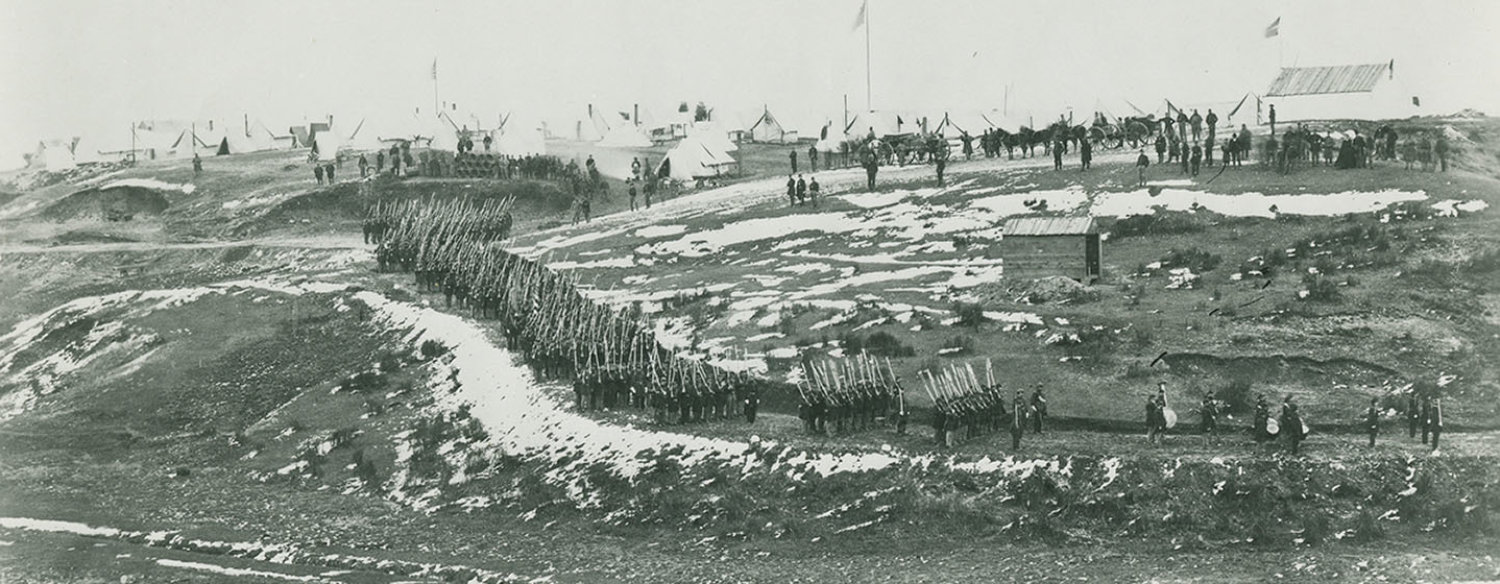

Watch the Civil War
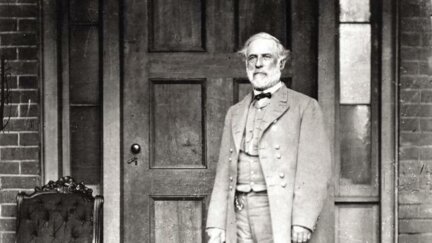
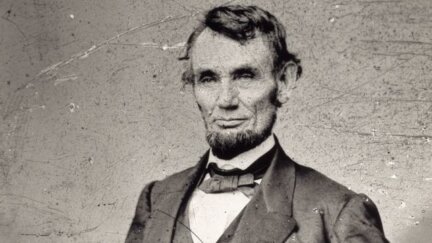
Beginning with a searing indictment of slavery, this first episode dramatically evokes the causes of the war, from the Cotton Kingdom of the South to the northern abolitionists who opposed it. Here are the burning questions of Union and states' rights, John Brown at Harpers Ferry, the election of Abraham Lincoln in 1860, the firing on Fort Sumter, and the jubilant rush to arms on both sides.
Beginning with a searing indictment of slavery, this first episode dramatically evokes the causes of the war, from the Cotton Kingdom of the South to the northern abolitionists who opposed it. Here are the burning questions of Union and states' rights, John Brown at Harpers Ferry, the election of Abraham Lincoln in 1860, the firing on Fort Sumter, and the jubilant rush to arms on both sides.
- Prev
- 1
- 2
- Next
About The Film
The Civil War, an epic nine-episode series by the award-winning documentary filmmaker Ken Burns and produced in conjunction with WETA, Washington, D.C., first aired in September of 1990 to an audience of 40 million viewers. The film is a comprehensive and definitive history of the American Civil War, and the recipient of 40 major film and television awards, including two Emmys and two Grammys.
Heralded as an unforgettable introduction to a four-year conflict fought in 10,000 places, The Civil War was five years in the making. The film vividly embraces the entire sweep of the war: the complex causes and lasting effects of America's greatest and most moving calamity, the battles and the homefront, the generals and the private soldiers, the anguish of death in battle and the grief of families at home.
Premiered on PBS: September 23, 1990.
Aired Completely Restored on PBS: September 2015.
Restoring The Film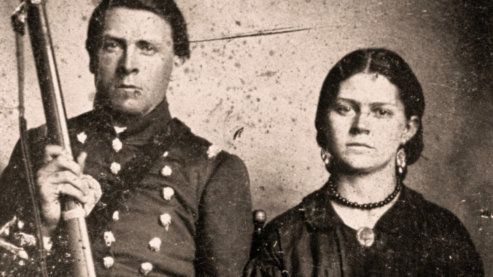
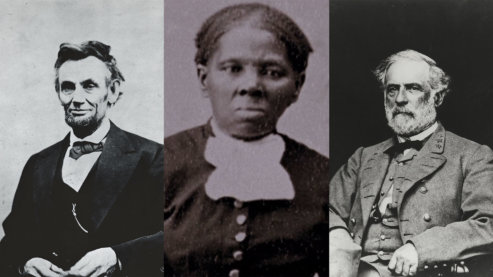
Explore Related Films
![The American Buffalo [2023]](https://d1z5o5vuzqe9y4.cloudfront.net/uploads/The-American-Buffalo/key-art-and-splash-site-materials/_250xAUTO_crop_center-center_60_none/AmericanBuffalo-ShowPoster-_sized.webp)