
Watch Frank Lloyd Wright | Full Documentary


- Prev
- 1
- 2
- 3
- Next
About the Film
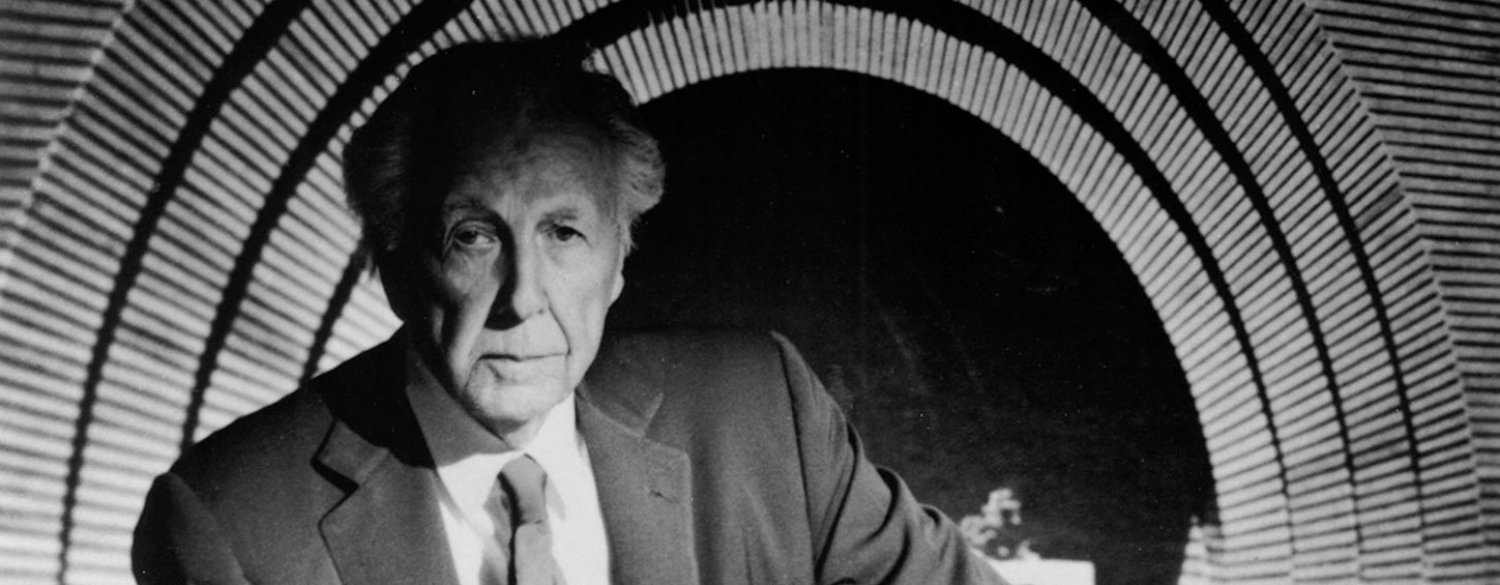
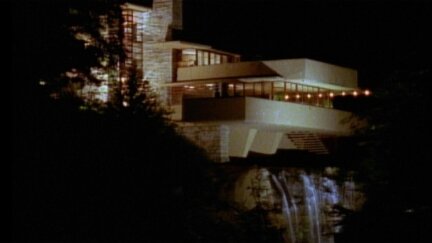
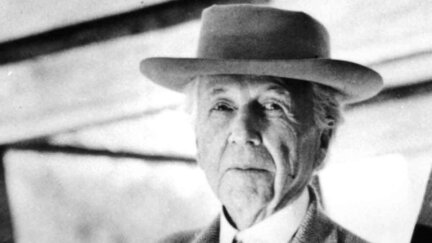
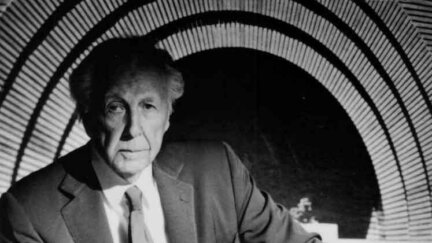
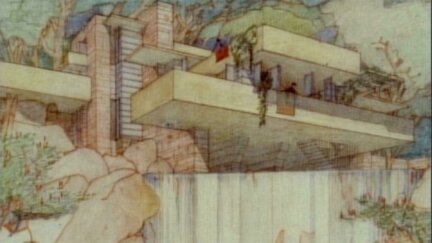
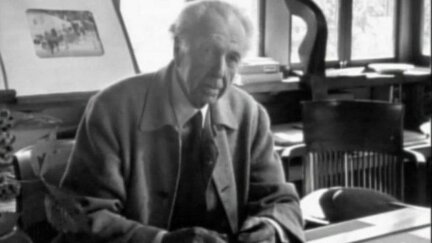
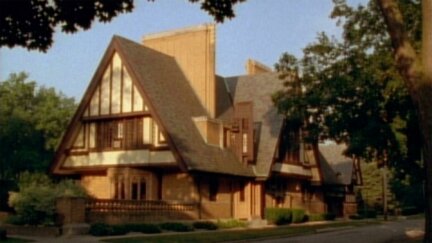
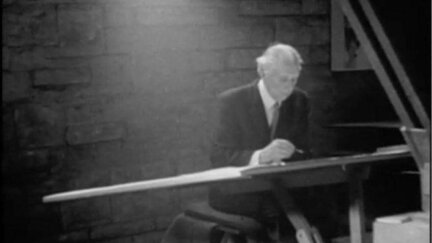
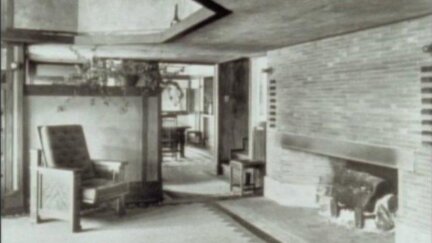
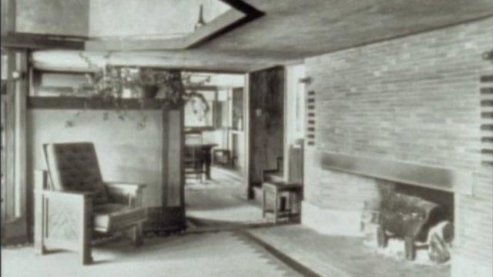
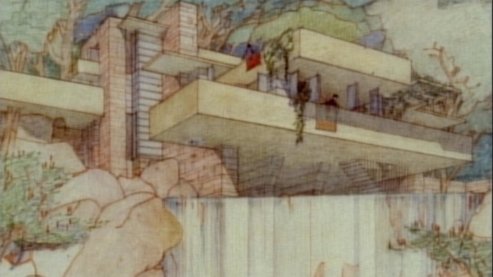
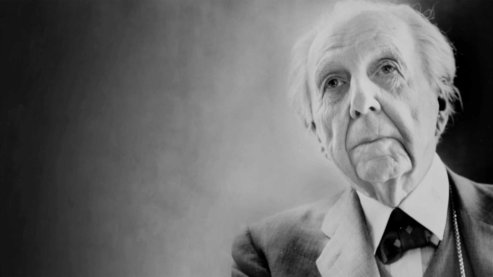
Frank Lloyd Wright tells the story of the greatest of all American architects. Wright was an authentic American genius, a man who believed he was destined to redesign the world, creating everything anew. Over the course of his long career, he designed over eight hundred buildings, including such revolutionary structures as the Guggenheim Museum, the Johnson Wax Building, Fallingwater, Unity Temple and Taliesin. His buildings and his ideas changed the way we live, work and see the world around us.
Frank Lloyd Wright’s architectural achievements were often overshadowed by the turbulence of his melodramatic life. In ninety-two tempestuous years, he fathered seven children, married three times, and was almost constantly embroiled in scandal. Some hated him, some loved him, and in the end, few could deny that he was the one of the most important architects in the world.
Premiered on PBS: November 10, 1998
Explore More
Explore Related Films