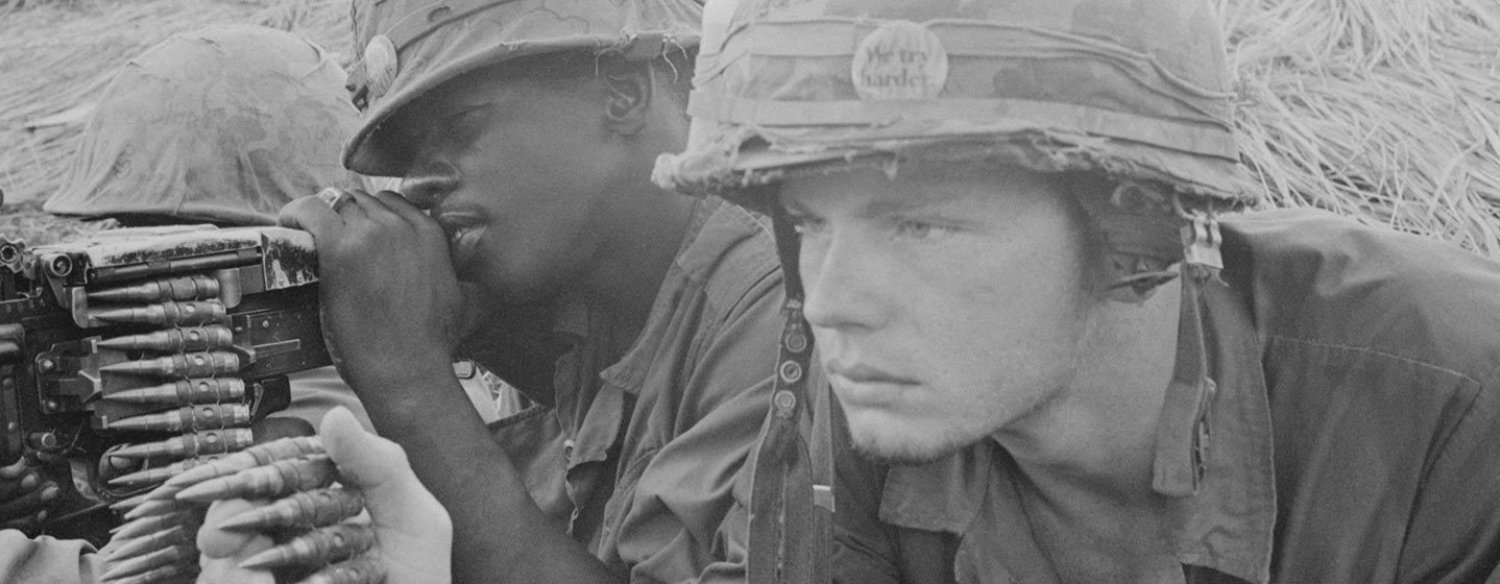
Watch The Vietnam War | Full Documentary
After a long and brutal war, Vietnamese revolutionaries led by Ho Chi Minh end nearly a century of French colonial occupation. With the Cold War intensifying, Vietnam is divided in two at Geneva. Communists in the north aim to reunify the country, while America supports Ngo Dinh Diem's untested regime in the south.
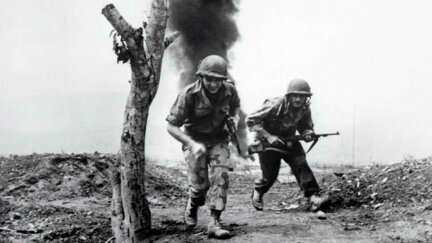
After a long and brutal war, Vietnamese revolutionaries led by Ho Chi Minh end nearly a century of French colonial occupation. With the Cold War intensifying, Vietnam is divided in two at Geneva. Communists in the north aim to reunify the country, while America supports Ngo Dinh Diem's untested regime in the south.

- Prev
- 1
- 2
- 3
- Next
About The Film
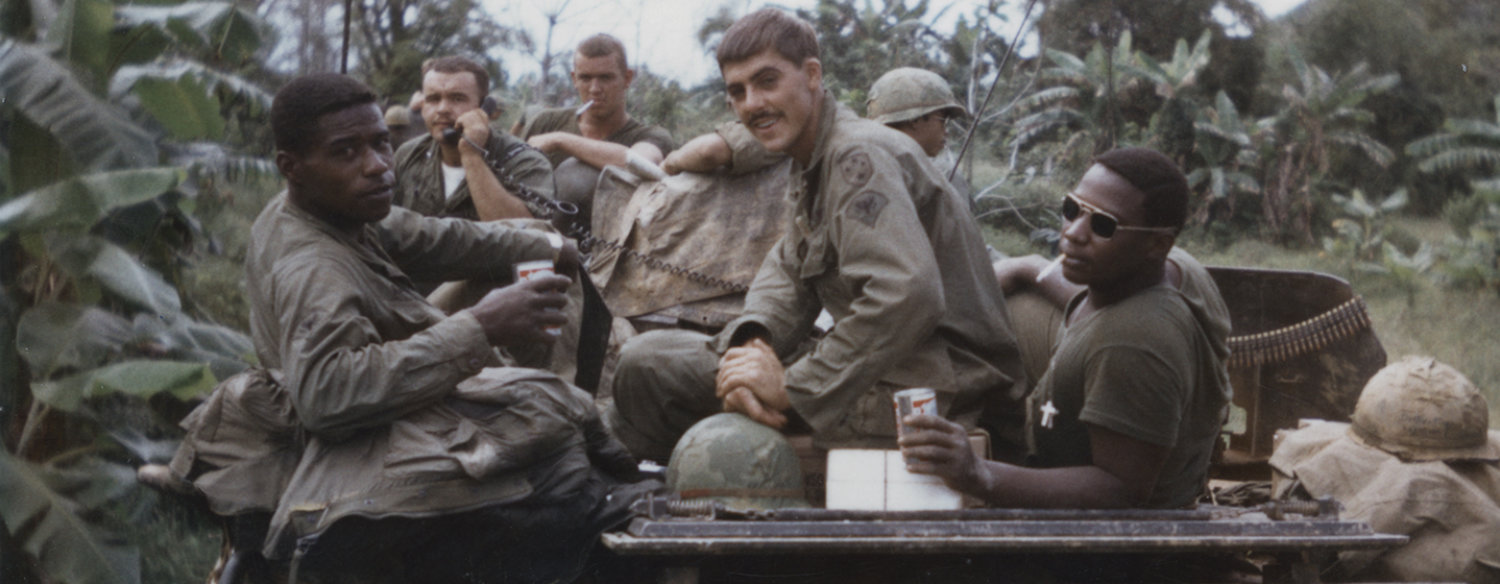
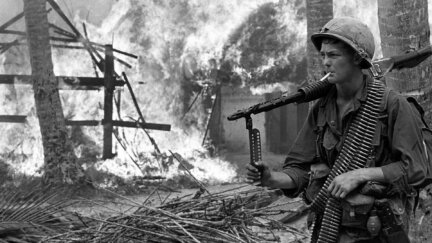
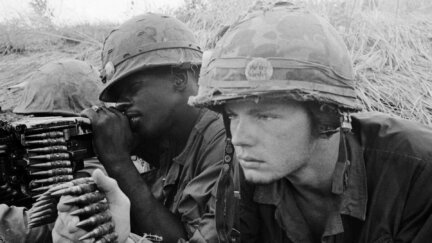
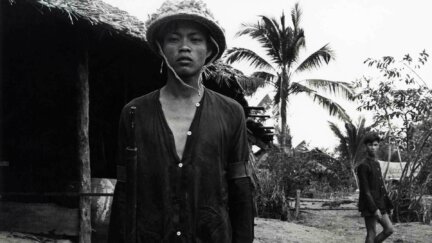
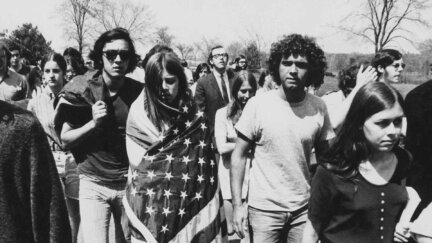
Ken Burns and Lynn Novick’s ten-part, 18-hour documentary series, The Vietnam War, tells the epic story of one of the most consequential, divisive, and controversial events in American history as it has never before been told on film.
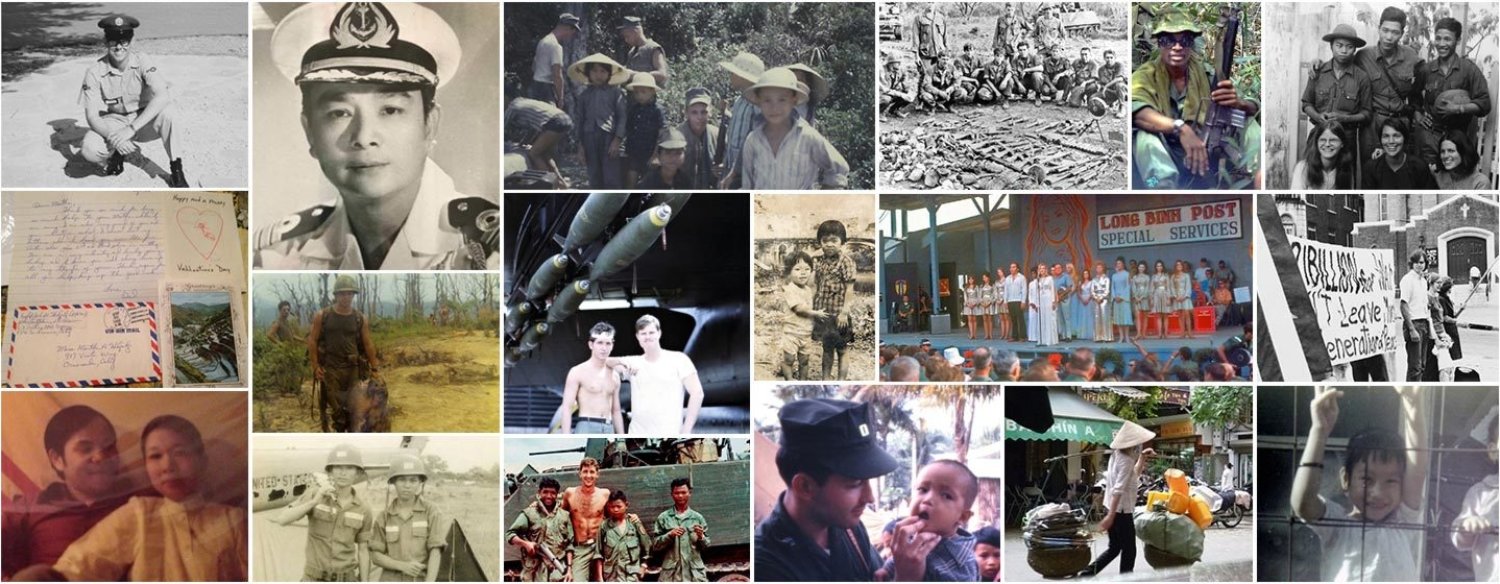
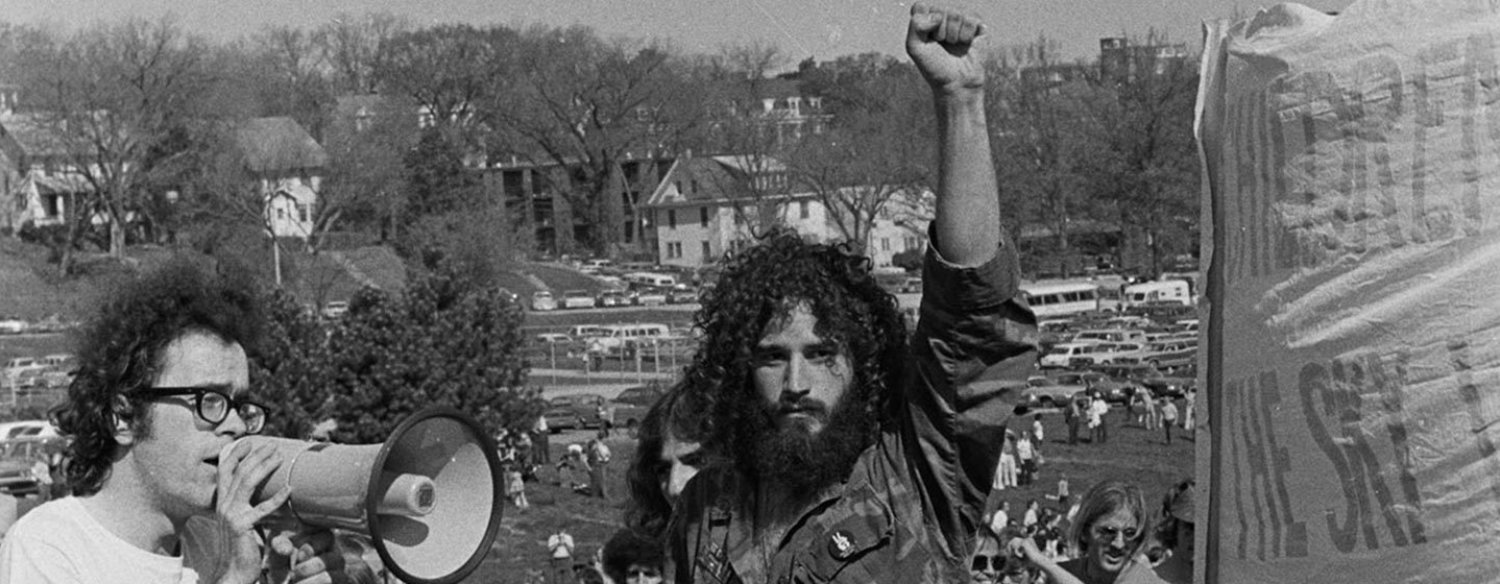
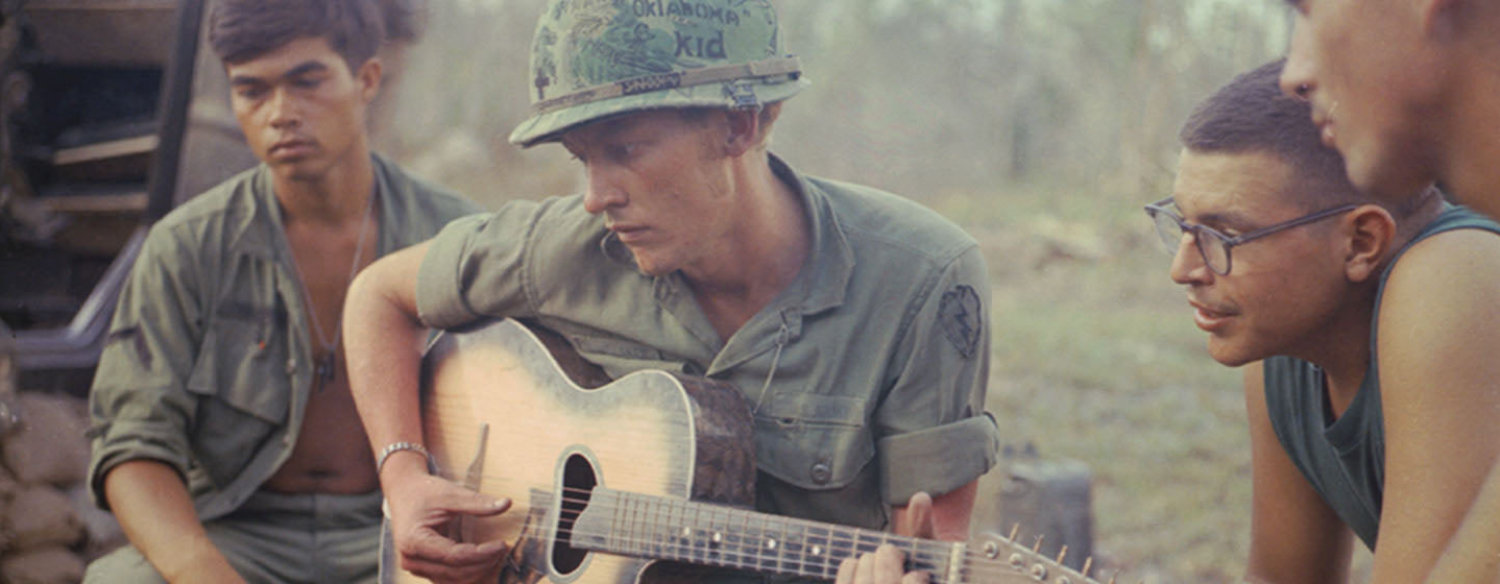
Visceral and immersive, the series explores the human dimensions of the war through revelatory testimony of nearly 80 witnesses from all sides—Americans who fought in the war and others who opposed it, as well as combatants and civilians from North and South Vietnam.
More About the Film Meet the Filmmakers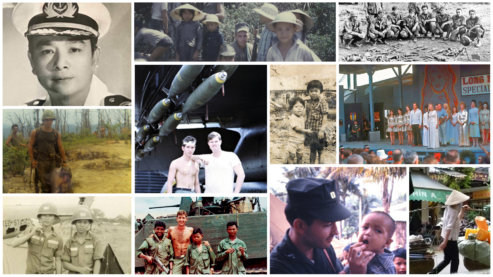

Explore More Films