
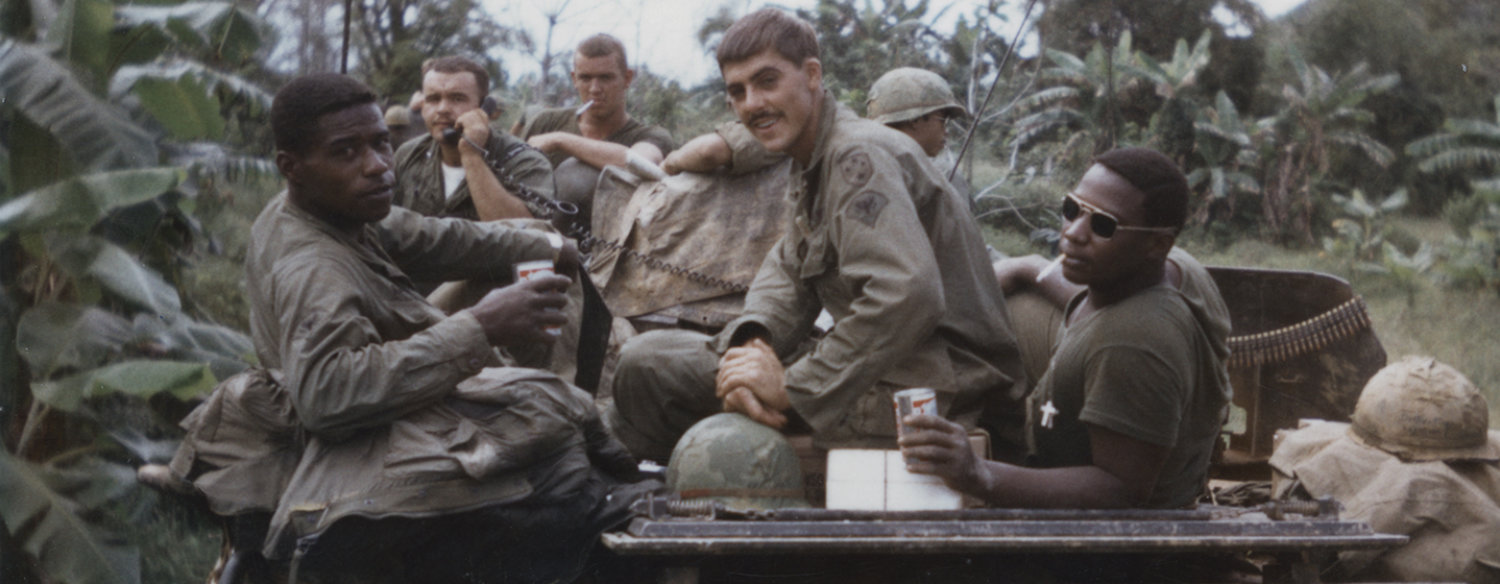
Watch Now
The epic story of the Vietnam War as it has never-before been told on film. Full 10-part documentary now streaming
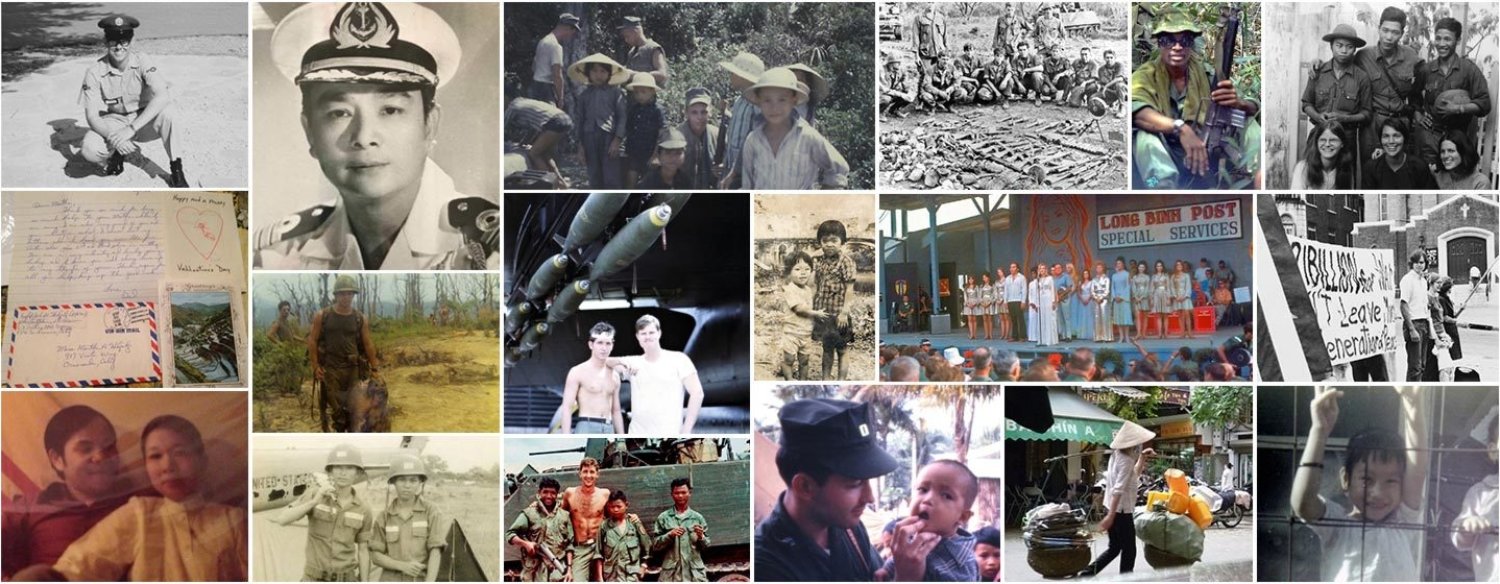
Discover
Explore stories from viewers who experienced the events of the Vietnam era.
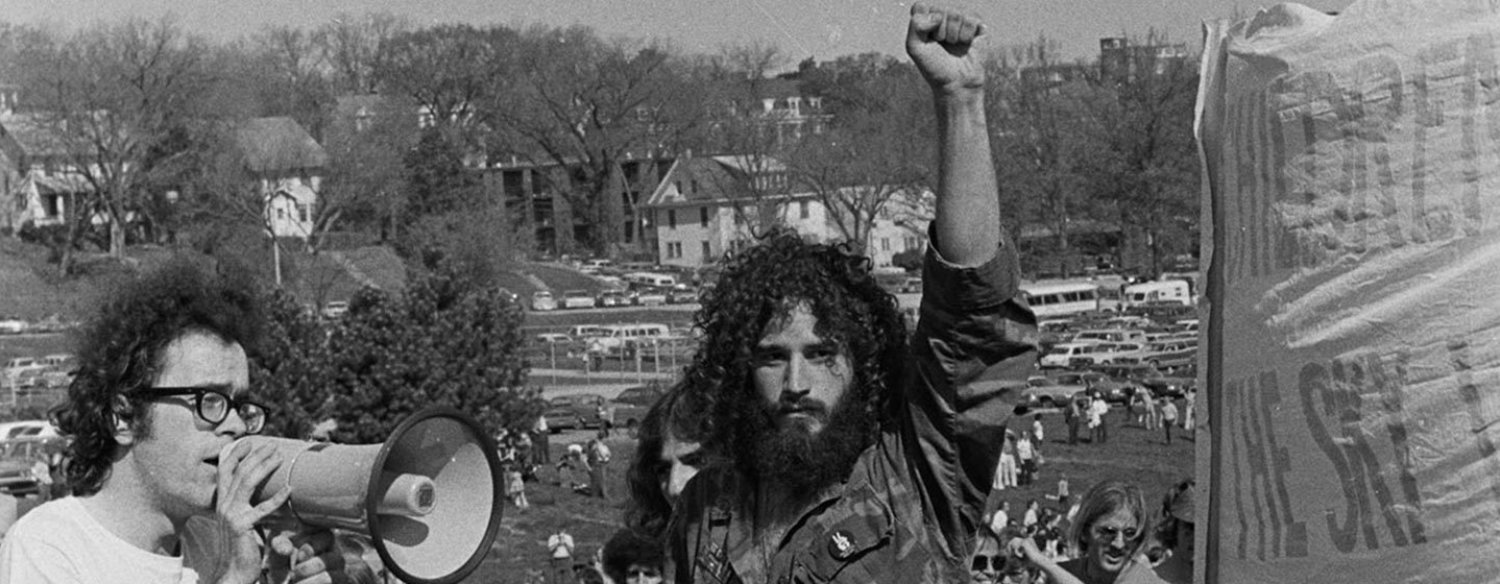
Learn More
Read an excerpt from the series' companion book.
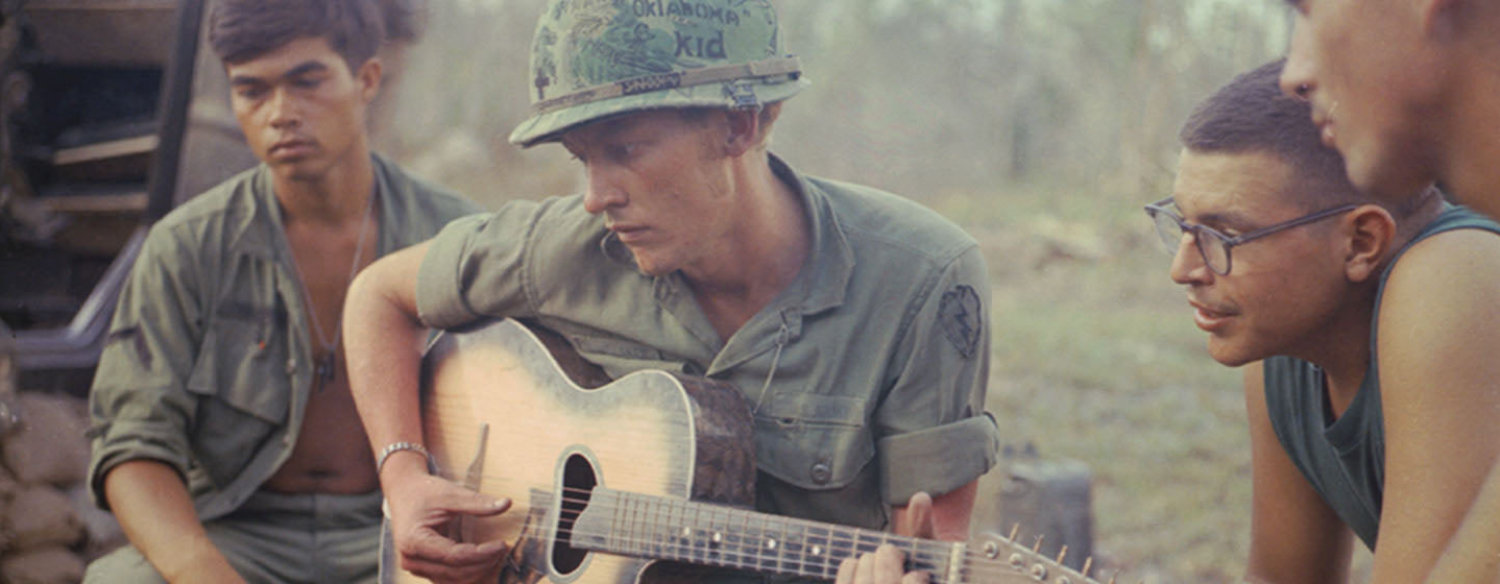
Listen
Learn more about the film’s soundtrack and original score and explore modern versions of Vietnam-era songs.
Resources for Veterans
View fact sheets and find organizations that provide support to veterans and their families.
Watch The Vietnam War | Full Documentary
Déjà Vu (1858-1961)
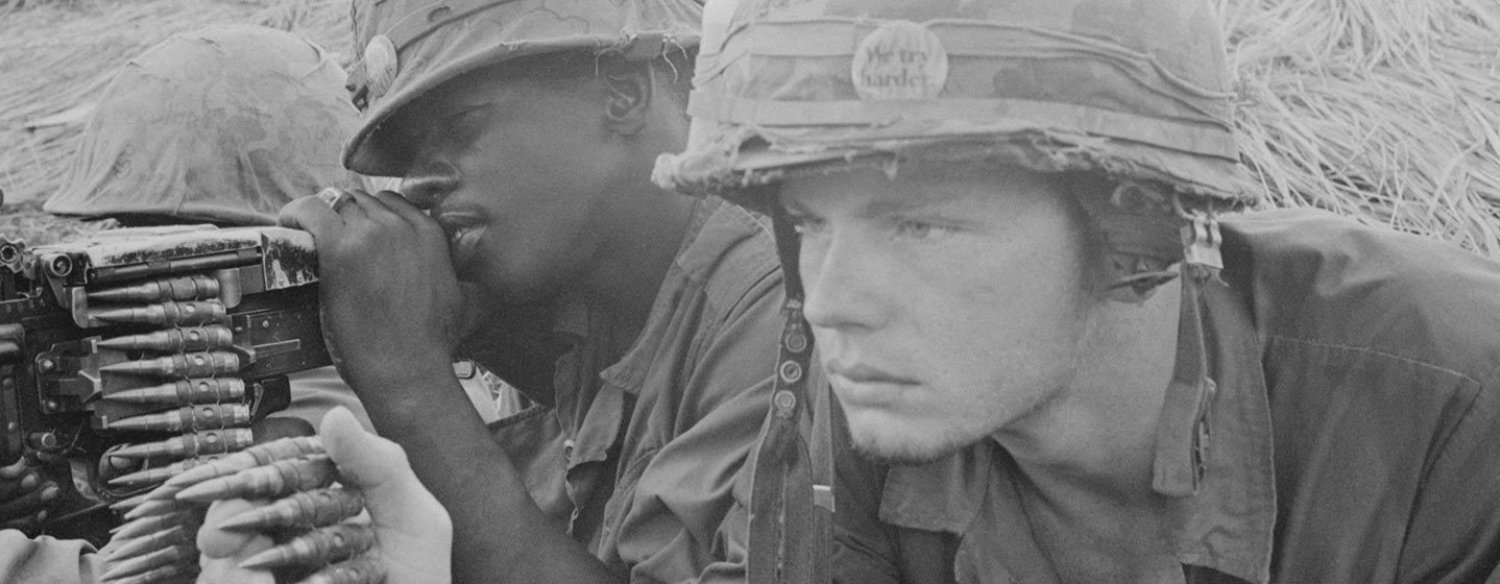
After a long and brutal war, Vietnamese revolutionaries led by Ho Chi Minh end nearly a century of French colonial occupation. With the Cold War intensifying, Vietnam is divided in two at Geneva. Communists in the north aim to reunify the country, while America supports Ngo Dinh Diem's untested regime in the south.
Episode 1
85m 46s
Episode 1
Déjà Vu (1858-1961)
85m 46s
After a long and brutal war, Vietnamese revolutionaries led by Ho Chi Minh end nearly a century of French colonial occupation. With the Cold War intensifying, Vietnam is divided in two at Geneva. Communists in the north aim to reunify the country, while America supports Ngo Dinh Diem's untested regime in the south.
Episode 2
Riding the Tiger (1961-1963)
86m 53s
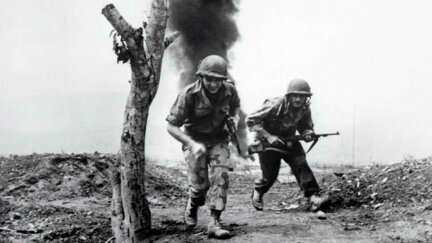
President Kennedy inspires idealistic young Americans to serve their country and wrestles with how deeply to get involved in South Vietnam. As the increasingly autocratic Diem regime faces a growing communist insurgency and widespread Buddhist protests, a grave political crisis unfolds.
Episode 3
The River Styx (January 1964-December 1965)
118m 22s
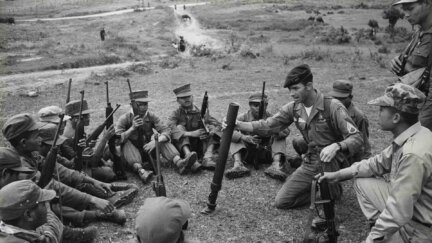
With South Vietnam in chaos, hardliners in Hanoi seize the initiative and send combat troops to the south, accelerating the insurgency. Fearing Saigon’s collapse, President Johnson escalates America’s military commitment, authorizing sustained bombing of the north and deploying ground troops in the south.
Episode 4
Resolve (January 1966-June 1967)
117m 51s
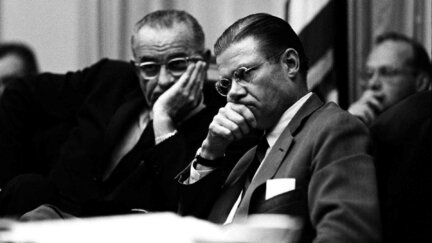
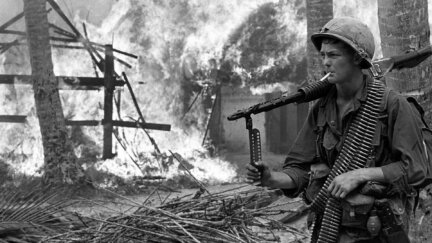
Defying American airpower, North Vietnamese troops and materiel stream down the Ho Chi Minh Trail into the south, while Saigon struggles to “pacify the countryside.” As an antiwar movement builds back home, hundreds of thousands of soldiers and Marines discover that the war they are being asked to fight in Vietnam is nothing like their fathers’ war.
Episode 5
This Is What We Do (July 1967-December 1967)
88m 43s
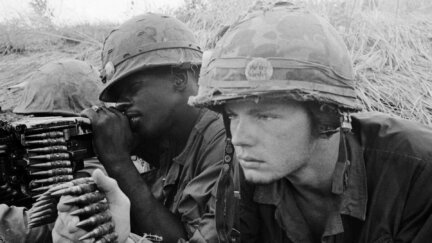
American casualties and enemy body counts mount as Marines face deadly North Vietnamese ambushes and artillery south of the DMZ and Army units chase an elusive enemy in the central highlands. Hanoi lays plans for a massive surprise offensive, and the Johnson Administration reassures the American public that victory is in sight.
Full Length
Things Fall Apart (January 1968-July 1968)
87m 46s
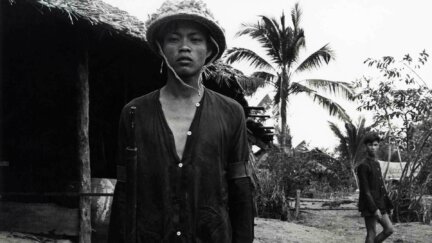
On the eve of the Tet holiday, North Vietnamese and Viet Cong forces launch surprise attacks on cities and military bases throughout the south, suffering devastating losses but casting grave doubt on Johnson’s promise that there is “light at the end of the tunnel.” The president decides not to run again and the country is staggered by assassinations and unrest.

Full Length
The Veneer of Civilization (June 1968-May 1969)
110m 54s
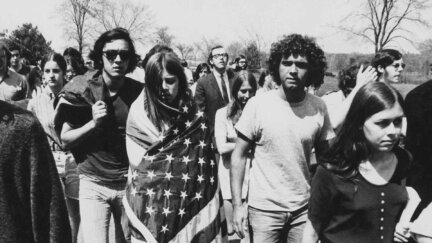
Public support for the war declines, and American men of draft age face difficult decisions and wrenching moral choices. After police battle with demonstrators in the streets of Chicago, Richard Nixon wins the presidency, promising law and order at home and peace overseas. In Vietnam, the war goes on and soldiers on all sides witness terrible savagery and unflinching courage.
Episode 8
The History of the World (April 1969-May 1970)
112m 9s
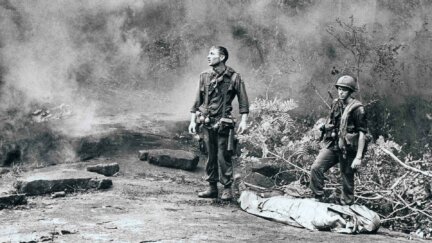
With morale plummeting in Vietnam, President Nixon begins withdrawing American troops. As news breaks of an unthinkable massacre committed by American soldiers, the public debates the rectitude of the war, while an incursion into Cambodia reignites antiwar protests with tragic consequences.
Full Length
A Disrespectful Loyalty (May 1970-March 1973)
112m 32s
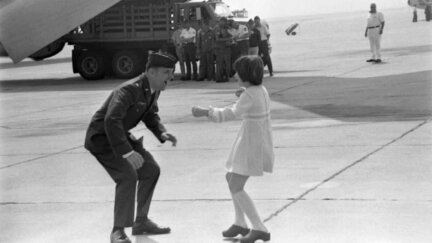
South Vietnamese forces fighting on their own in Laos suffer a terrible defeat. Massive U.S. airpower makes the difference in halting an unprecedented North Vietnamese offensive. After being re-elected in a landslide, Nixon announces Hanoi has agreed to a peace deal. American prisoners of war will finally come home – to a bitterly divided country.
Full Length
The Weight of Memory (March 1973-Onward)
110m 56s
While the Watergate scandal rivets Americans’ attention and forces President Nixon to resign, the Vietnamese continue to savage one another in a brutal civil war. When hundreds of thousands of North Vietnamese troops pour into the south, Saigon descends rapidly into chaos and collapses. For the next 40 years, Americans and Vietnamese from all sides search for healing and reconciliation.
- Prev
- 1
- 2
- 3
- Next
About The Film
Ken Burns and Lynn Novick’s ten-part, 18-hour documentary series, The Vietnam War, tells the epic story of one of the most consequential, divisive, and controversial events in American history as it has never before been told on film.
Visceral and immersive, the series explores the human dimensions of the war through revelatory testimony of nearly 80 witnesses from all sides—Americans who fought in the war and others who opposed it, as well as combatants and civilians from North and South Vietnam.
More About the Film Meet the Filmmakers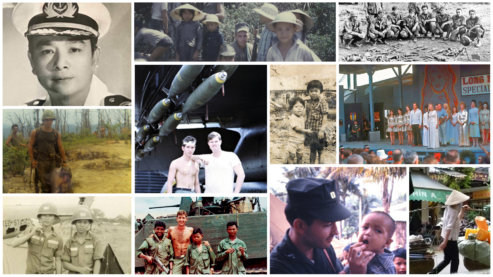


Explore More Films

The Civil War [1990]
It was the most horrible, necessary, intimate, acrimonious, mean-spirited, and heroic conflict of the nation.

The War [2007]
World War II is shown through the eyes of personal accounts who lived through this extraordinary time.
The Address [2014]
The Address uncovers how President Lincoln's historic words motivate and engage students over 150 years later.

Lewis And Clark [1997]
The remarkable tale about the Corps of Discovery who sought out the promises of unknown land.
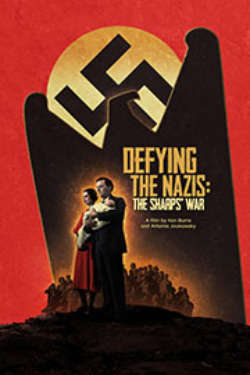
Defying The Nazis: The Sharps' War [1997]
Ken Burns reveals an American couple's secret 1939 mission to help refugees escape Nazis.

See All Films