|
FEATURES: Vietnam,
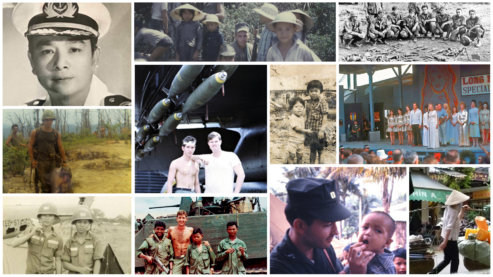
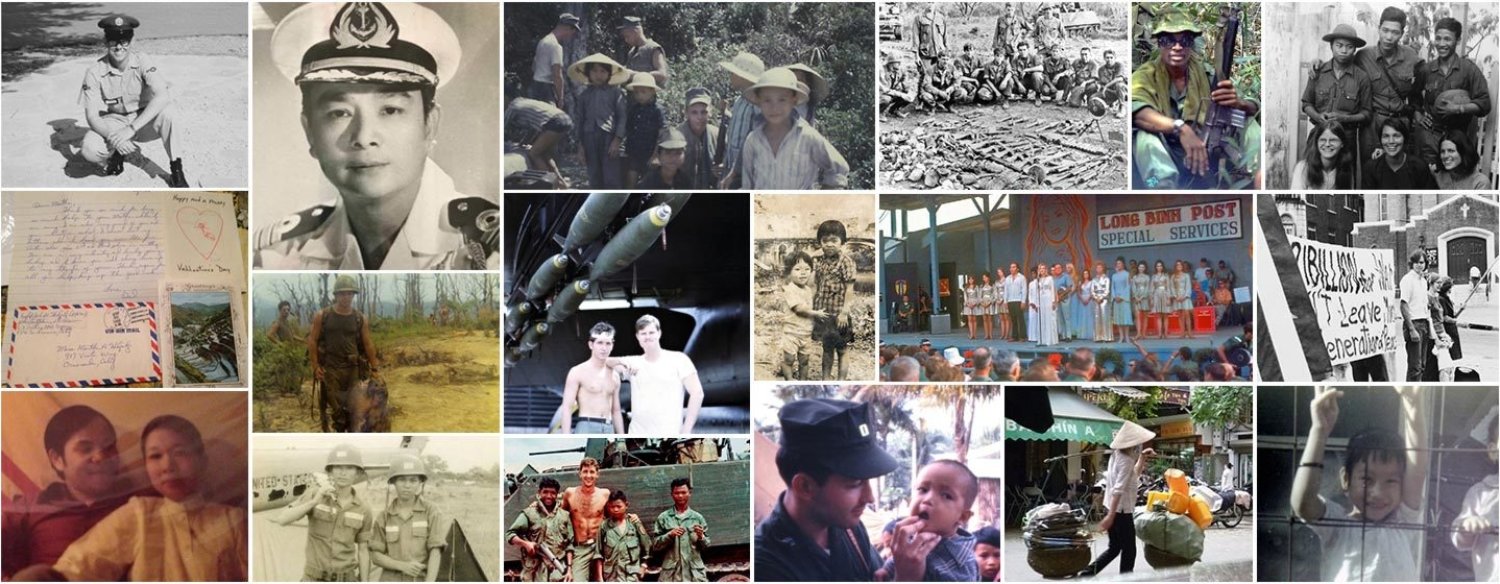
A Country, Not a War Vietnam remains deeply ingrained in the American psyche, a generation after the last American fled Saigon in 1975. For Americans, the enduring image of Vietnam is a black and white snapshot of helicopters lifting off from the roof of the American Embassy. America's collective memory shut down at that moment. But for the Vietnamese that was just the beginning -- the first chapter of a long, painful journey that is carrying them toward something they have not experienced in 2000 years: a combination of peace and potential prosperity. This communist country--one of the world's last--is moving toward a free-market economy to meet the demands of the Post-War-Generation. Although 80% of Vietnam's population lives in the relatively unchanged countryside, the cities are moving to a new beat. MTV competes with karaoke bars and even the smallest home has a TV. Motor bikes are pushing bicycles off the road, and in the last ten years, neon lights and skyscrapers have turned Hanoi's once austere streets into a modern city. Over half of Vietnam's population is under 25 and has no memory of what they call "The American War."And with its rich history and culture, Vietnam is becoming a popular tourist destination.
Early
History
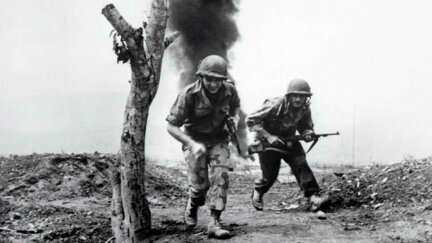
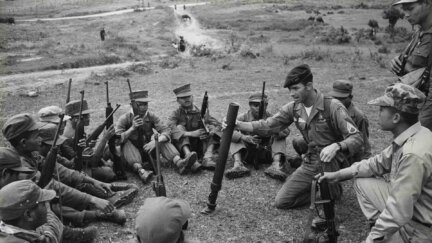
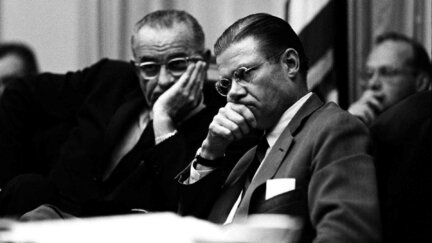
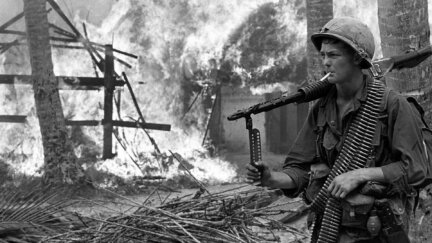
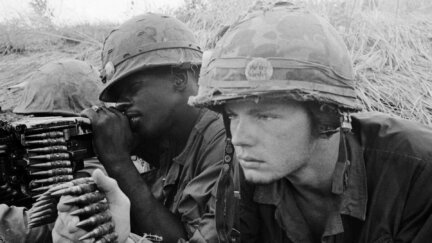
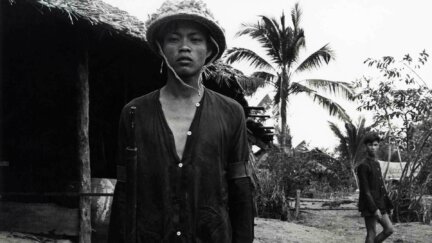
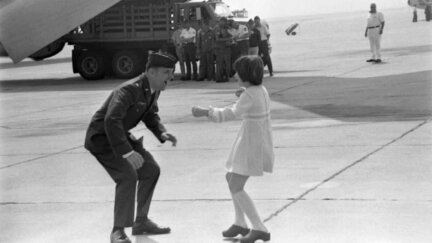
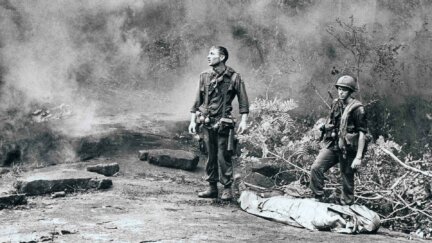
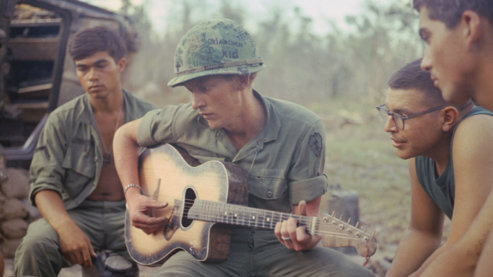
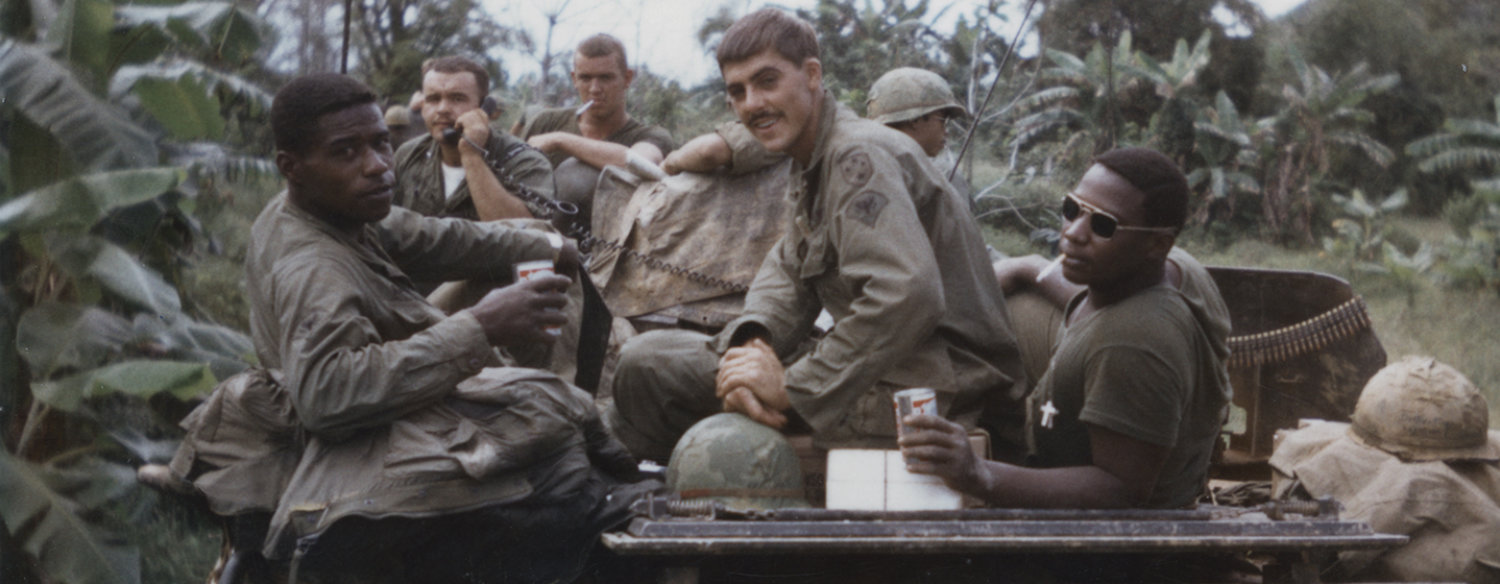
In their effort to convert Vietnam to Catholicism, French missionaries in the 17th-19th centuries lobbied their government successfully to establish a military and political presence in Vietnam. The French colonized Vietnam in the mid-1800s, and over the next century exploited the land and forced the people into indentured servitude. It was during this time that Ho Chi Minh began using the banners of communism and nationalism to unite Vietnam's people. In 1954 Vietnamese forces defeated the French at Dien Bien Phu. The Geneva Convention followed, where it was agreed that North and South Vietnam would remain divided until free elections could be held to determine which government would lead the country. Most Vietnamese supported Ho Chi Minh and his nationalist/communist stance. Knowing this, southern President Ngo Dinh Diem refused to hold elections. The country remained divided for 21 years. "The American War" Fearing the spread of communism, the United States supported Diem's Republic of South Vietnam in 1955. To Ho Chi Minh, the United States was just another foreign power trying to impose its will on his country. In 1959, he and his government began the first phase of what developed into a war with the United States and South Vietnam. With sheer manpower making up for a lack of technology, Ho Chi Minh's forces used guerrilla tactics to battle America's heavy arsenal. After fifteen years with no end in sight, both North Vietnam and the United States were drawn to the negotiating table in 1973. The Paris Accords were signed resulting in a U.S. withdrawal and the return of POWs, including U.S. Ambassador Peterson. Two years later North Vietnam captured the South Vietnamese capital of Saigon, creating the Socialist Republic of Vietnam.
When most Americans hear the word "communism," they think of hammers, sickles and stone-faced dictators. In Vietnam, however, "communism" is synonymous with "nationalism." Although the government is still modeled on a Marxist-Leninist system, since 1986, the Socialist Republic of Vietnam has introduced more democratic policies and loosened its grip on the private sector. The 450-member National Assembly is popularly elected, 61 members of the current Assembly are not communist party members. The National Assembly, in turn, elects the President, who appoints a Prime Minister. The most recent elections were held in 1997 with the next scheduled for 2002. Next > |
|||
|
|
|