
|
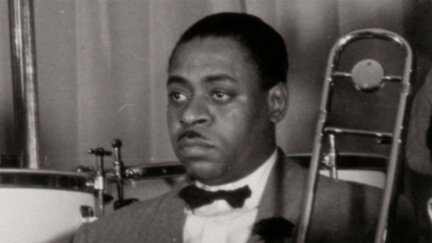
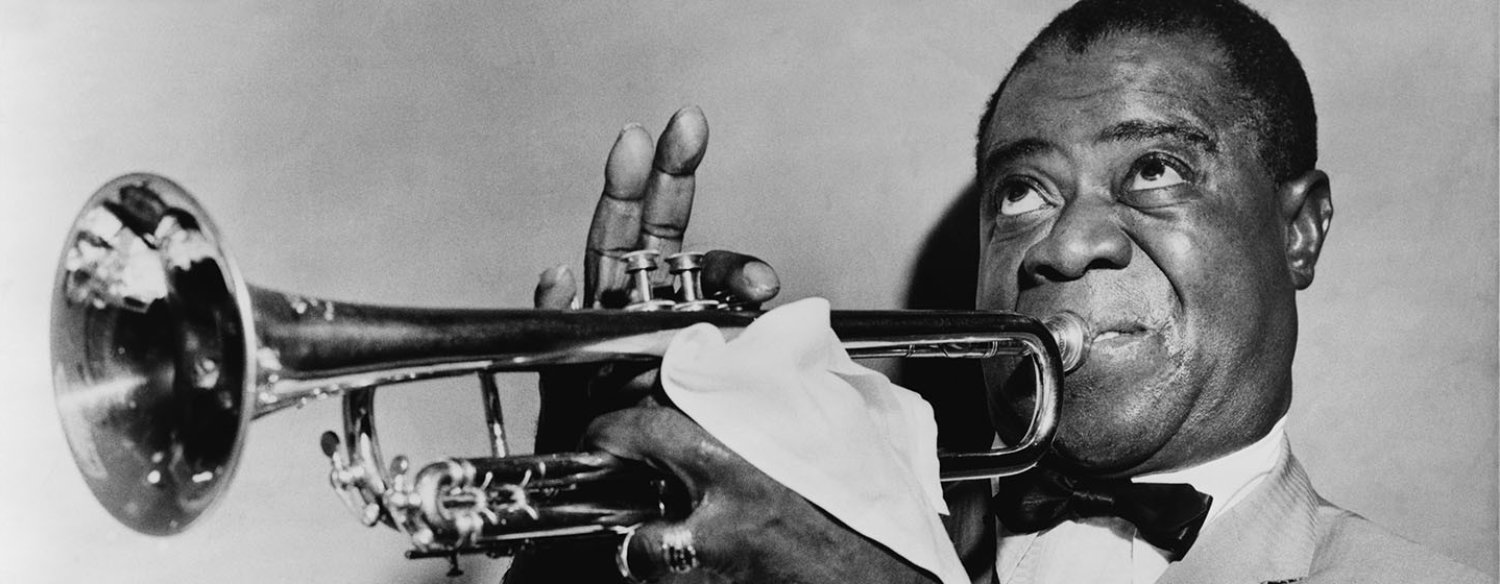
Doc Cheatham
Powered by Oxford University Press.
Adolphus Anthony (1905 - 1997) Trumpeter
 |
NPR's Weekend Edition: Doc Cheatham Interview
Neal Conan interviews the great trumpeter, whose career stretched back to the early 1920s and who many people say did his best work well past the age of 70.
(Courtesy NPRJazz.org) |
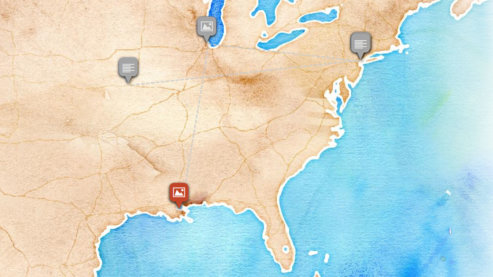
After moving to Chicago, Doc Cheatham played in Albert Wynn's band and led his own group (1926). He then worked in Philadelphia with Wilbur De Paris (1927-8) and, after a brief spell with Chick Webb, traveled to Europe with Sam Wooding (1928). Cheatham returned to America in 1930 and played in various big bands, including McKinney's Cotton Pickers (1931-2) and those led by Cab Calloway (1933-9), Teddy Wilson (1939),
Benny Carter (1940), and Teddy Hill. The brief solos he played as a member of Eddie Heywood's sextet (1943-5), however, hinted at his jazz potential, and he
belatedly gained a reputation as an interesting and consistent improviser. During the 1950s and 1960s, Cheatham worked frequently with Latin American bands. He
also made tours with De Paris (Africa, 1957; Europe, 1960), Sammy Price (Europe, 1958), and Herbie Mann (Africa, 1960). He led his own band in New York
(1960- 65) and played with Benny Goodman (1966-7), but thereafter worked as a freelancer, continuing to perform with enthusiasm well into the 1980s.
Cheatham always possessed an admirable technique, and his articulation and clarity of tone was striking. He was particularly expressive when using a cup mute. In
later years, he often added a rough burr to his sound which gave an invigorating edge to his solos. He occasionally played in big bands during the 1970s, but always
returned to small-group settings, where he was best able to display his graceful improvisations, flexibility, and glorious high register. Unusual for a jazz
musician, and particularly for a brass player, Cheatham's talents seemed to flower when he was in his 70s, and most of his best recordings date from this late stage of
his career.
The New Grove Dictionary of Jazz, Oxford University Press. All rights reserved. For personal, non-commercial use only. Copying or other reproduction is prohibited.
|