
Watch Jazz | Full Documentary
- Prev
- 1
- 2
- 3
- Next
About the Film
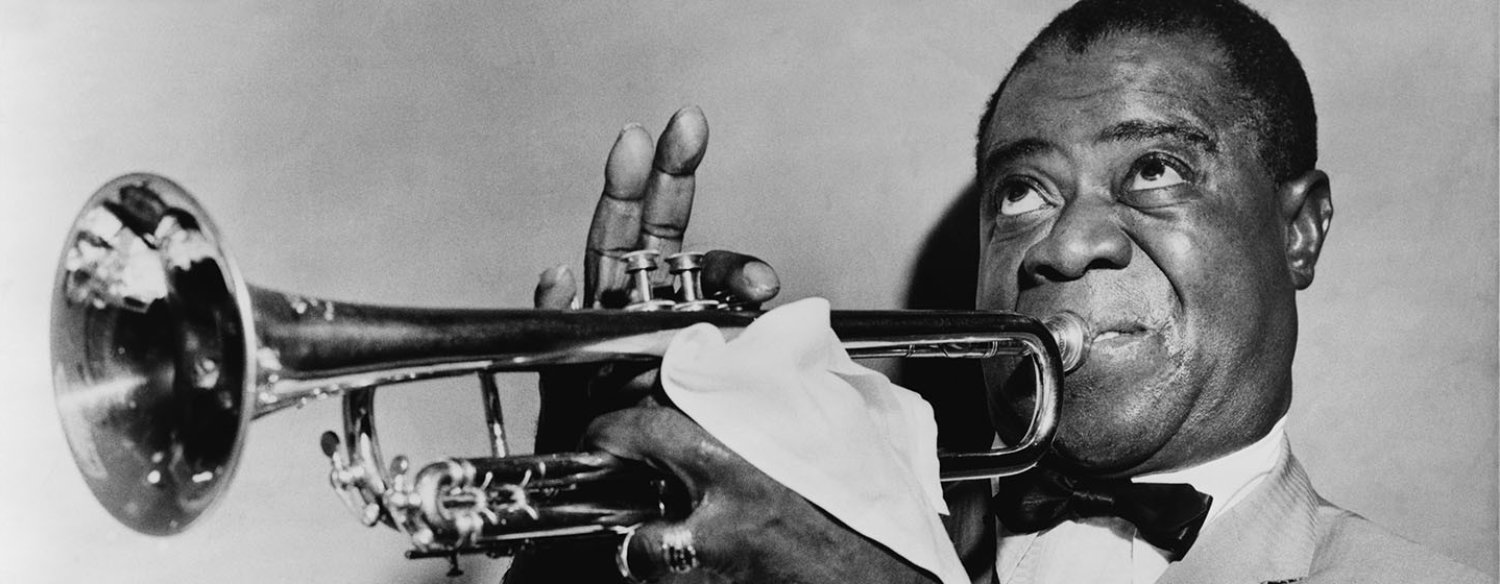
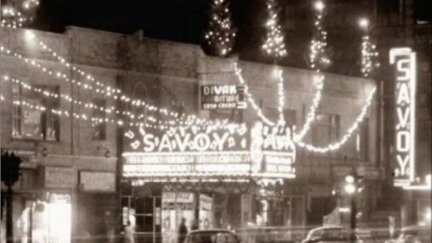
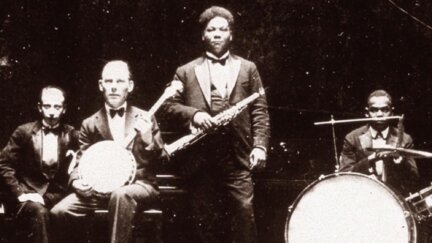
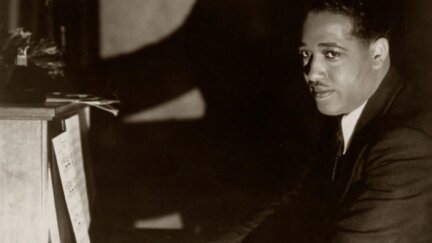
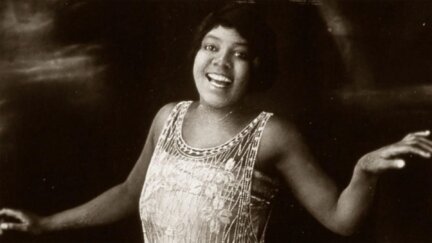
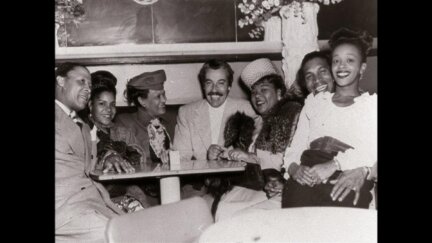
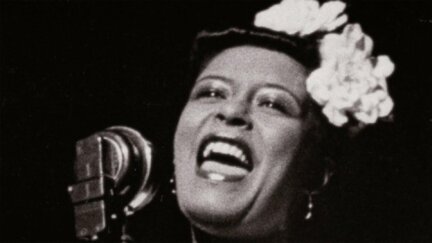
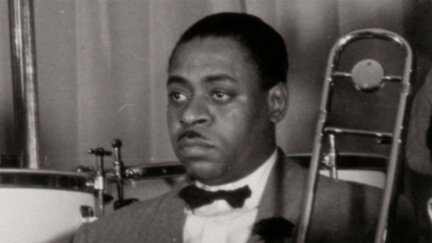
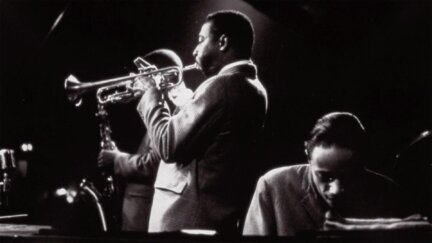
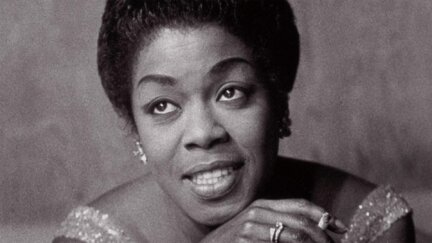
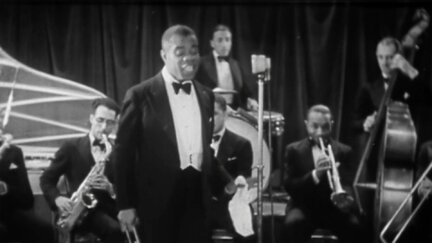
Filmmaker Ken Burns tells the story of jazz — the quintessential American art form. The 10-part series follows the growth and development of jazz music from the gritty streets of New Orleans to the Lincoln Gardens on Chicago's south side, where Louis Armstrong first won fame, from Prohibition-era speakeasies to the wide-open clubs of Kansas City, from the elegant Roseland Ballroom in Times Square, where only whites were allowed to dance, to the more egalitarian Savoy Ballroom in Harlem, where people of all colors mingled.
Six years in the making, Jazz features 75 interviews, more than 500 pieces of music, 2,400 still photographs and more than 2,000 archival film clips — many rare and never before seen. Third-person voices are provided by Samuel L. Jackson, Delroy Lindo, Derek Jacobi and Harry Connick Jr., among others.
Read A Note from Ken Burns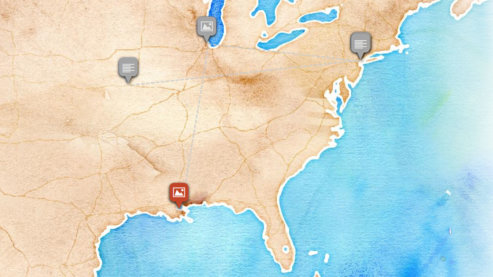
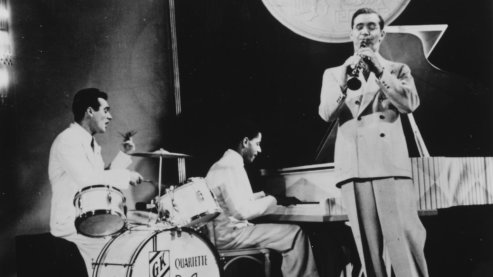
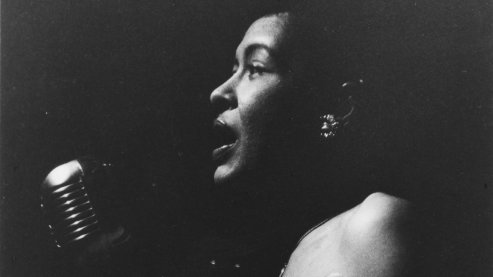
Explore Related Films