

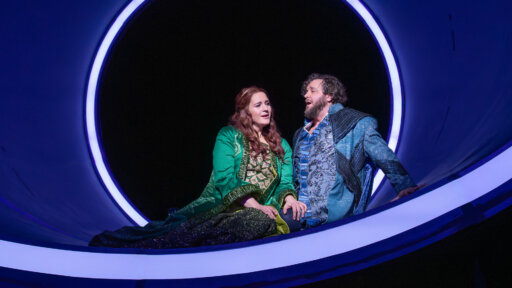
"Great Performances at the Met: Tristan und Isolde" Preview
Soprano Lise Davidsen stars as the Irish princess Isolde in Wagner’s meditation on love and death.

Tammy Wynette: Forever Yours
About

Verdi's Requiem: The Met Remembers 9/11
The Met Opera presents a special performance of Verdi Requiem to commemorate 9/11.
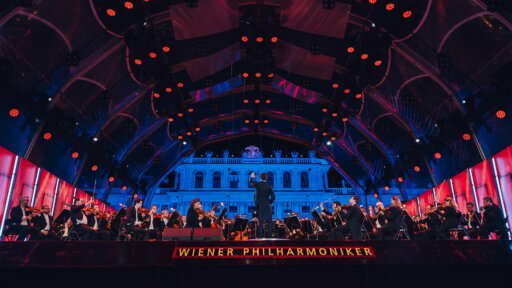
Vienna Philharmonic Summer Night Concert 2026
Enjoy the orchestra's annual concert conducted by Lorenzo Viotti featuring Bryn Terfel as soloist.
Digital Originals
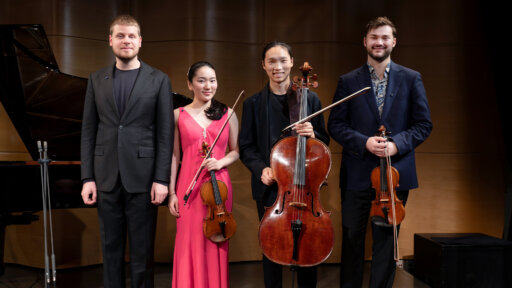
Taking Note
Great Performances: Taking Note is a digital series spotlighting rising instrumental artists who have received...
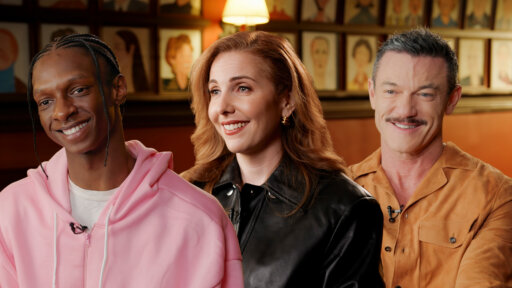
Stagebound
Go behind the curtain with the performing arts’ brightest stars. Stagebound is an all-access digital...

Chasing Crescendos
Explore the preparation and processes of New World Symphony’s young musicians in Miami as they...
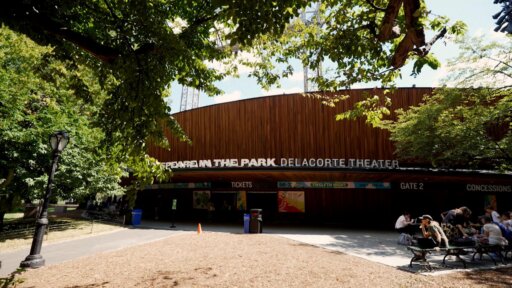
A New Home for Shakespeare in Central Park
Go backstage at the newly revitalized Delacorte Theater in Central Park, home to Free Shakespeare...
Digital Original Series: Stagebound
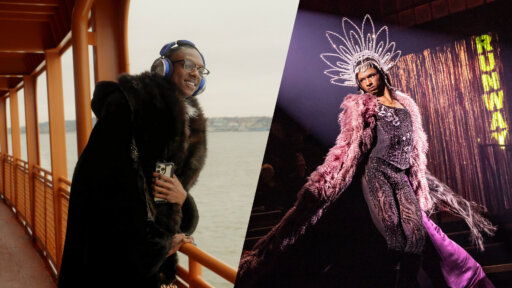
Stagebound — Robert "Silk" Mason — "CATS: The Jellicle Ball"
Step into the journey of Robert “Silk” Mason as they make their long-awaited Broadway debut.
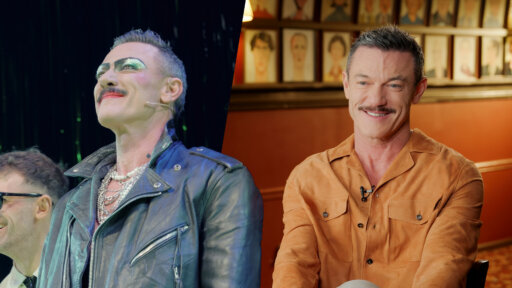
Stagebound — Luke Evans — “The Rocky Horror Show”
Follow Luke Evans as he returns to his theatrical roots in “The Rocky Horror Show.”

Stagebound — Marla Mindelle — "Titaníque"
Follow Marla Mindelle as she steps into the spotlight as both star and co-creator of “Titaníque.”
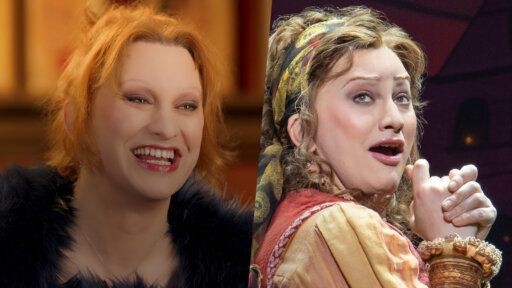
Stagebound — Jinkx Monsoon — “Pirates! The Penzance Musical”
What happens when a RuPaul’s Drag Race-winner takes on Broadway—on her own terms?

Stagebound — Daniel Dae Kim — “Yellow Face”
Beloved TV star and Tony nominee Daniel Dae Kim returns to his theatrical roots.
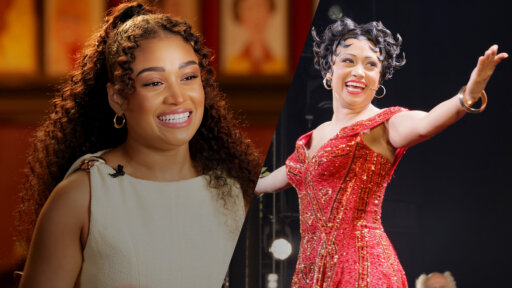
Stagebound — Jasmine Amy Rogers — "BOOP! The Musical"
Step into the spotlight with Tony nominee Jasmine Amy Rogers as she takes on the role of a lifetime.
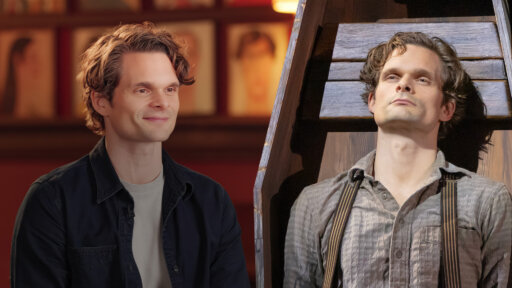
Stagebound — Andrew Durand — “Dead Outlaw”
Go behind the scenes with Tony nominee Andrew Durand.
Digital Original Series: Taking Note
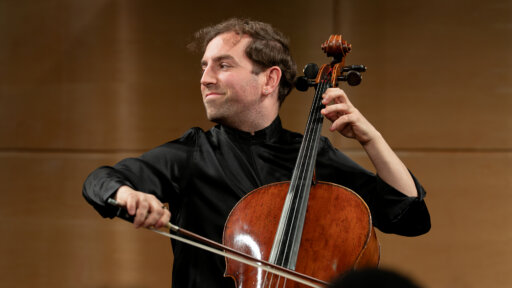
Taking Note — Tommy Mesa
Cellist Tommy Mesa's love of music began with his interest in playing drums.
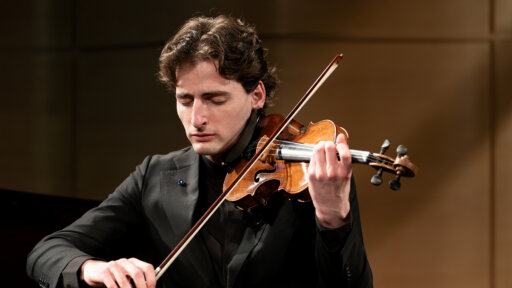
Taking Note — Joshua Brown
Following in his brother’s footsteps, Joshua Brown picked up the violin at age two.
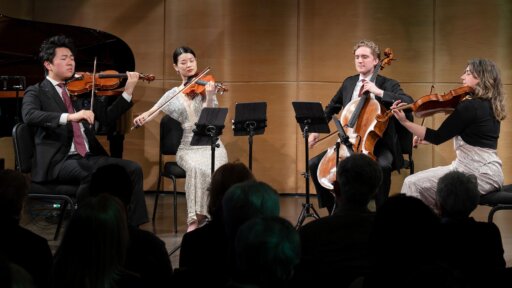
Taking Note — Viano Quartet
Composed of violinists Lucy Wang and Hao Zhou, violist Aiden Kane, and cellist Tate Zawadiuk.
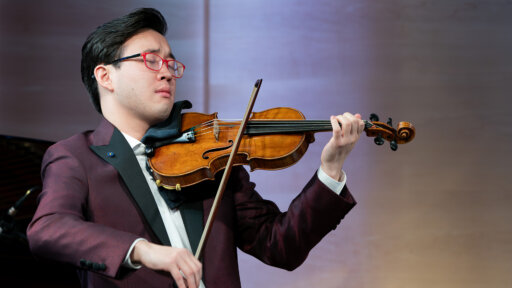
Taking Note - Julian Rhee
A profile of violinist Julian Rhee, winner of a 2024 Avery Fisher Career Grant Award.
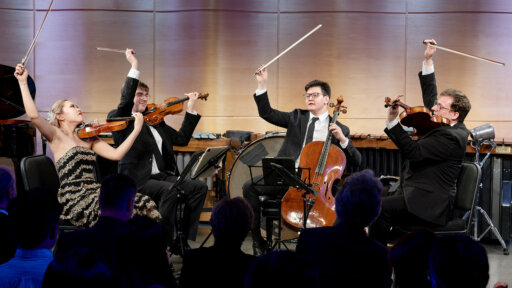
Taking Note - Balourdet Quartet
A profile of Balourdet Quartet, winner of a 2024 Avery Fisher Career Grant Award.

Taking Note - Njioma Chinyere Grevious
A profile of violinist Njioma Chinyere Grevious, winner of a 2024 Avery Fisher Career Grant Award.
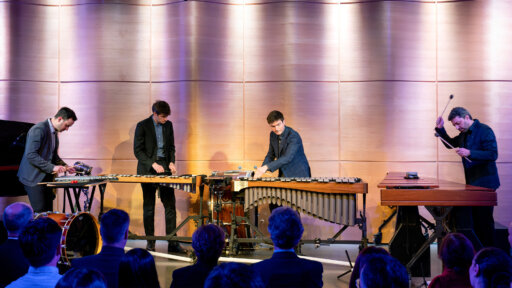
Taking Note - Sandbox Percussion
A profile of Sandbox Percussion, winner of a 2024 Avery Fisher Career Grant Award.
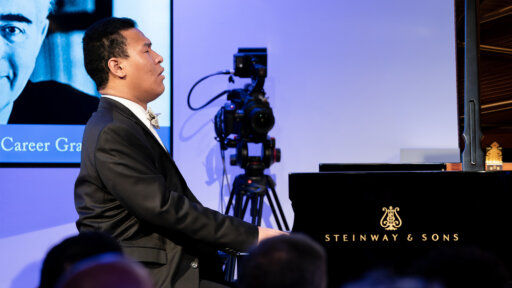
Taking Note - Clayton Stephenson
A profile of pianist Clayton Stephenson, winner of a 2024 Avery Fisher Career Grant Award.

Explore Great Performances' YouTube Channel
Explore more clips and behind the scenes interviews on the Great Performances YouTube Channel
Now Hear This
See all
Now Hear This – “The Iceland Sound”
Icelandic Percussion Instruments in "Hekla" by Jón Leifs
Scott Yoo hears "Hekla" by the Icelandic composer Jón Leifs.
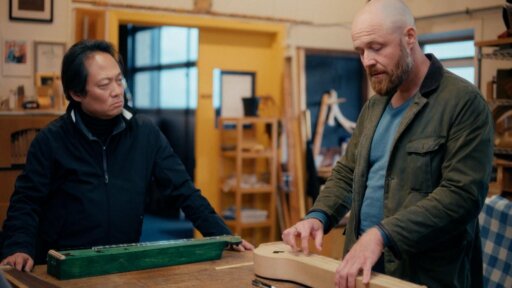
Now Hear This – “The Iceland Sound”
An Icelandic Musical Instrument Made from Driftwood
Scott Yoo learns how driftwood can be made into an iconic Icelandic instrument.

Now Hear This – “The Iceland Sound”
Scott Yoo crosses this sunlit, rainy, volcanic land of extremes to meet Icelandic composers.
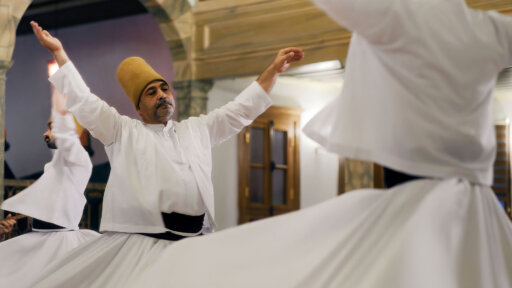
Now Hear This – “The Call of Istanbul”
With a host of Turkish musicians, Scott Yoo explores the city.

Now Hear This – “The Call of Istanbul”
How Does a Turkish Ney Get Created?
Alice Dade learns from Rifat Varo about how the Turkish reed flute gets made.
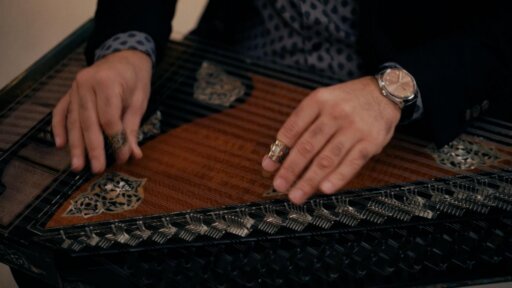
Now Hear This – “The Call of Istanbul”
Turkish Court Music and the Kanun
Scott Yoo learns about the kanun and Turkish court music.
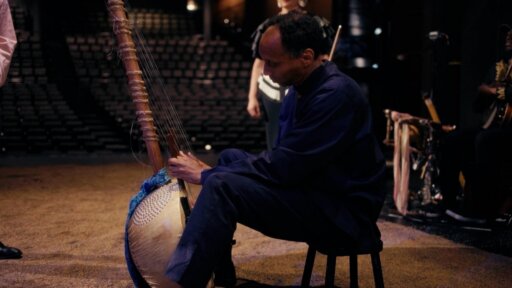
Now Hear This – “Everyone Loves Joplin”
West African Instruments in "Treemonisha"
In this reimagining of "Treemonisha," the West African kora take center stage.

Now Hear This – “Everyone Loves Joplin”
The First Recording of Scott Joplin's "The Entertainer"
Chris Ware and Scott Yoo discuss the first recording of "The Entertainer."

Now Hear This – “Everyone Loves Joplin”
Scott Joplin was the king of ragtime, a new kind music for the turn of the 20th century.
Playlist: Brahms Listening Journey
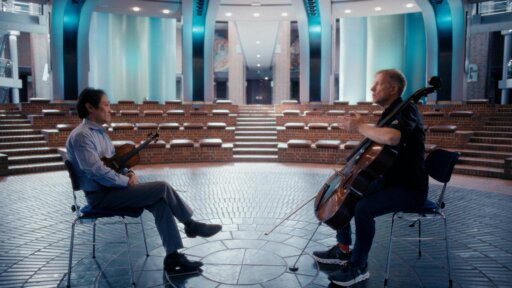
Now Hear This – “Brahms: Free But Alone”
Johannes Moser and Scott Yoo perform Brahms' Double Concerto, 1st mvt.
Johannes Moser and Scott Yoo perform Brahms' Double Concerto, 1st movement.

Now Hear This – “Brahms: Free But Alone”
The Story of Clara Schumann and Johannes Brahms
Elisabeth Brauss and Scott Yoo discuss the relationship between Schumann and Brahms.
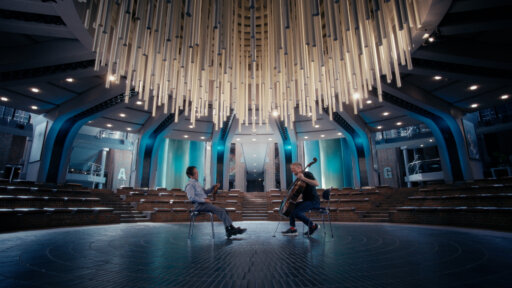
Now Hear This – “Brahms: Free But Alone”
Scott Yoo journeys across Germany to find a window into Brahms’ inner life.

5 Facts About Agustín Barrios

Now Hear This “Barrios: Chopin of the Guitar”
Discover Agustin Barrios’ rise from rural Paraguay to becoming a pioneering guitar composer.

Now Hear This "Barrios: Chopin of the Guitar"
Agustín Barrios' Transformation
How did Agustín Barrios transform into Nitsuga Mangoré?
Now Hear This "Barrios: Chopin of the Guitar"
The Spanish Music that Inspired Agustín Barrios
Cyro Delvizio and Scott Yoo discuss the Spanish repertoire that influenced Agustín Barrios.

Now Hear This "Barrios: Chopin of the Guitar"
The Folk Music that Inspired Agustín Barrios
Scott Yoo visits Juanjo Corbalán to learn about the folk music that inspired Agustín Barrios.

Now Hear This “Rachmaninoff Reborn”
Discover Rachmaninoff's reinvention as an American artist after losing everything in Russia.

Now Hear This "Rachmaninoff Reborn"
Watch Rachmaninoff Play Piano
Using an Ampico piano scroll, Scott Yoo watches Rachmaninoff play the piano.

Now Hear This "Rachmaninoff Reborn"
Rachmaninoff's Rhapsody on Paganini
Yevgeny Sudbin and Scott Yoo explain Rachmaninoff's "Rhapsody on Paganini."
Broadway on PBS
See all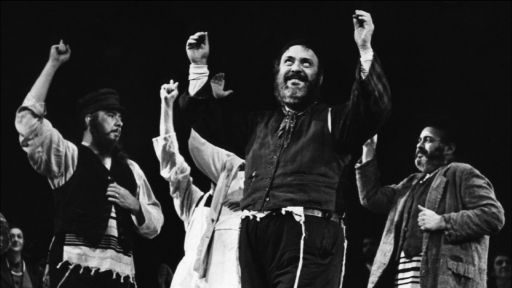
Broadway Musicals: A Jewish Legacy
Fiddler's Tradition
The surprising universality of the Jerry Bock and Sheldon Harnick musical Fiddler on Roof.

Broadway Musicals: A Jewish Legacy
Broadway Musicals: A Jewish Legacy wins Peabody Award

Full Episode
An exploration of the unique role Jews had in the creation of the modern musical.
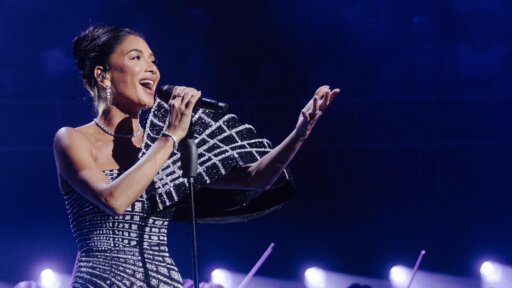
5 Nicole Scherzinger Musical Theater Performances

An Evening with Nicole Scherzinger
Nicole Scherzinger performs at London’s Royal Albert Hall for the first time.

An Evening with Nicole Scherzinger
Nicole Scherzinger performs "Maybe This Time" from "Cabaret"
Nicole Scherzinger performs "Maybe This Time" from "Cabaret."
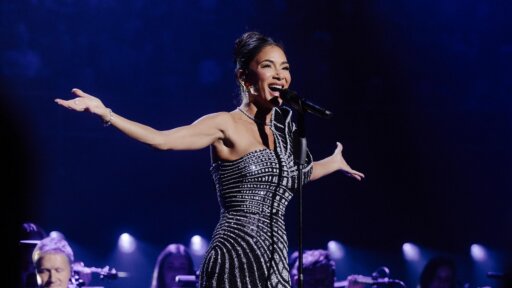
An Evening with Nicole Scherzinger
Nicole Scherzinger performs "Don't Rain on My Parade"
Nicole Scherzinger performs "Don't Rain on My Parade" from "Funny Girl."
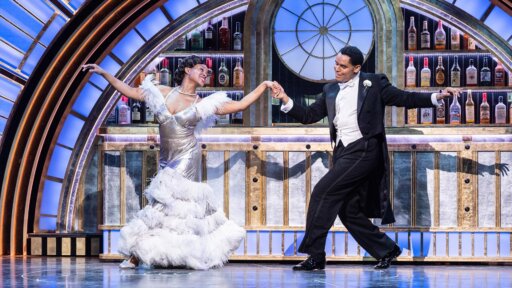
Irving Berlin’s Top Hat
"Cheek to Cheek" from Irving Berlin's "Top Hat"
Jerry Travers (Phillip Attmore) and Dale Tremont (Amara Okereke) dance at a party.
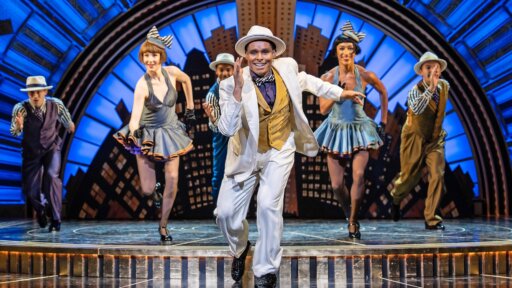
5 Facts About Irving Berlin’s Top Hat Star Phillip Attmore
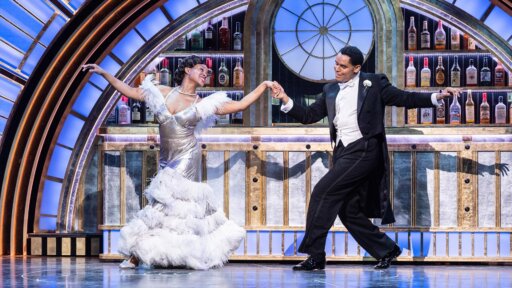
Irving Berlin’s Top Hat
"Cheek to Cheek" from Irving Berlin's "Top Hat"
Jerry Travers (Phillip Attmore) and Dale Tremont (Amara Okereke) dance at a party.
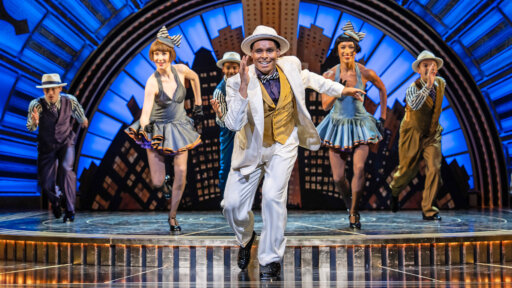
Irving Berlin’s Top Hat
Inspired by the iconic 1935 movie musical starring Fred Astaire.
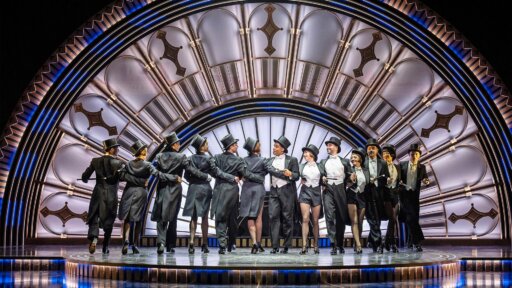
Irving Berlin’s Top Hat
"Top Hat, White Tie and Tails" from Irving Berlin's "Top Hat"
On arriving in London, Jerry Travers gets invited to fancy event.
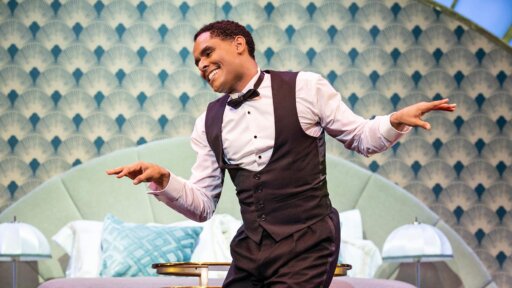
Irving Berlin’s Top Hat
"No Strings (Fancy Free)" from Irving Berlin's "Top Hat"
Jerry Travers (Phillip Attmore) is fancy free!
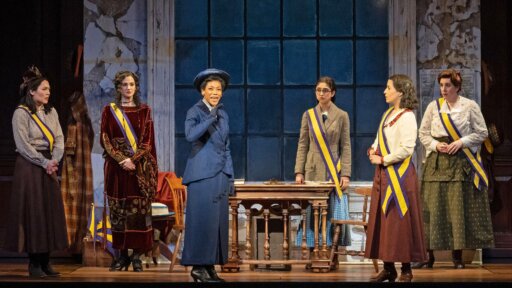
Suffs
"Wait My Turn" from Suffs on Broadway
Ida B. Wells confronts Alice Paul over her refusal to let Black activists in the front of the march.
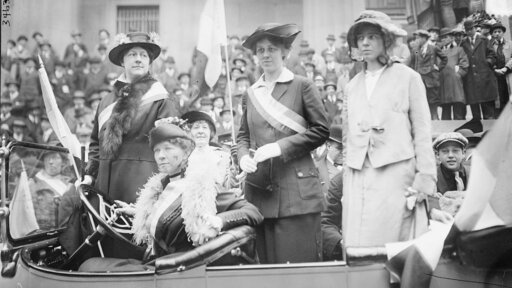
Suffs
Meet the Real Suffragists Who Inspired Suffs
Learn about the real women behind the suffragist movement.
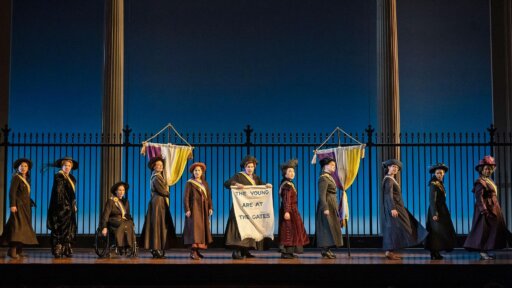
Suffs
"Fire & Tea" from Suffs on Broadway
Carrie Chapman Catt meets with President Wilson as a protest rages outside his office.
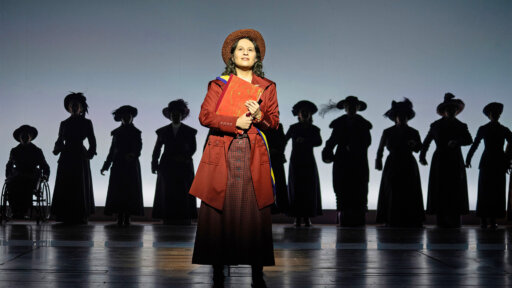
Suffs
Recorded from Broadway, this musical tells the story of the American suffragist movement.
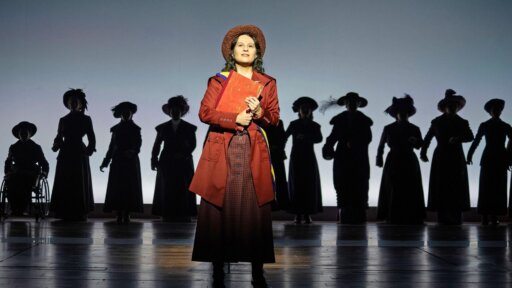
Suffs
"Keep Marching" from Suffs on Broadway
Alice Paul, now in her 80s, encourages the next generation to keep marching for women's rights.

Kiss Me, Kate
Experience this Cole Porter classic musical starring Tony winner Stephanie J. Block.

Kiss Me, Kate
"Another Op'nin', Another Show" from "Kiss Me, Kate"
"The Taming of the Shrew" cast prepare for opening night.
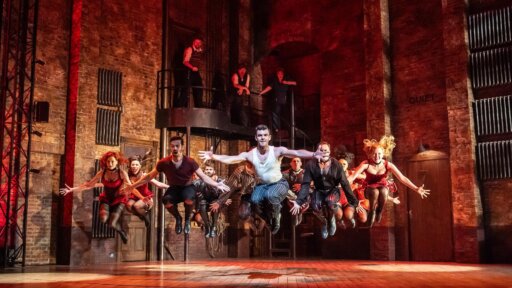
Kiss Me, Kate
Too Darn Hot" from "Kiss Me, Kate"
The cast of "Kiss Me, Kate" performs "Too Darn Hot."
Facebook Group for Broadway Fans
Broadway's Best for Great Performances
Got strong opinions about theater? This is a group for fans to come together for spirited conversations about your favorite shows, performers, and all things Broadway (and off).
Explore the latest Great Performances news
All Articles
In Memoriam: Gloria Steinem
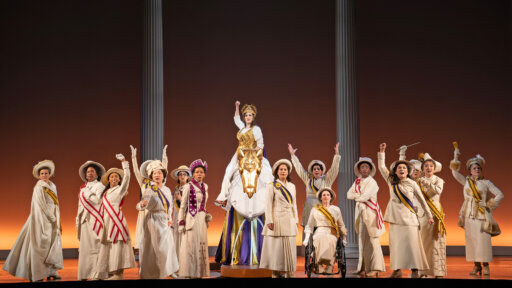
Stream These Programs on July 4th
Everything Great Performances Has Streaming Now
5 Nicole Scherzinger Musical Theater Performances
5 Facts About Irving Berlin’s Top Hat Star Phillip Attmore
In Memoriam: Michael Tilson Thomas
Playlist: Brahms Listening Journey
“Broadway’s Best” from Great Performances Returns with Two Musicals and More Featuring Tony Award-Winning Performances...
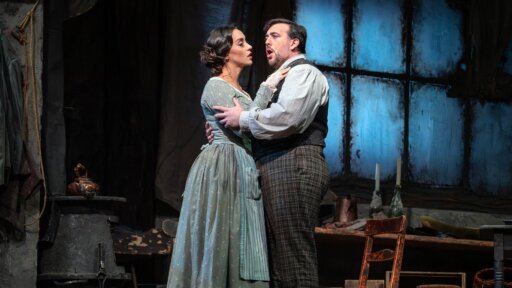
Great Performances at the Met Returns for 20th Season

New Season of Now Hear This Explores Two Celebrated Composers and Two Musical Capitals
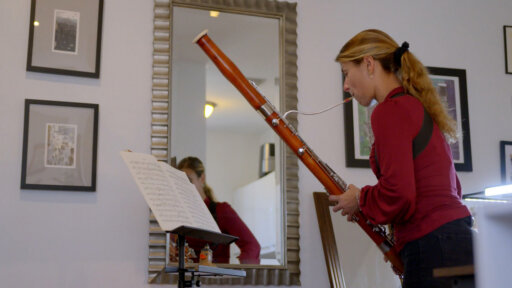
Bassoonist Eleni Katz’s 5 Favorite Things for Playing
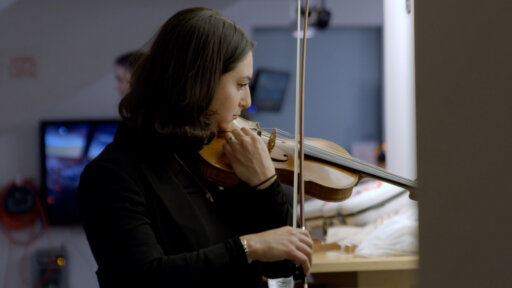
5 Performance Tips from Violinist Allison Taylor