
Add to Scrapbook
Old Faithful entertains tourists, Yellowstone National Park, 1884 |
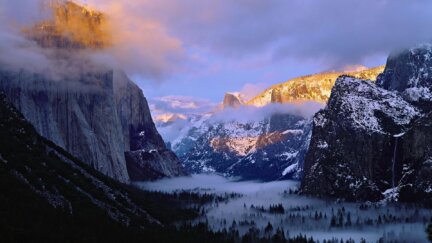
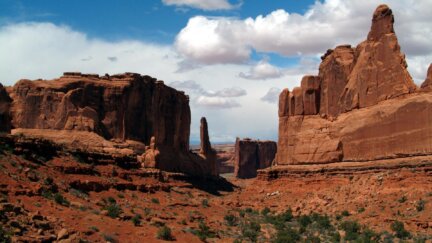
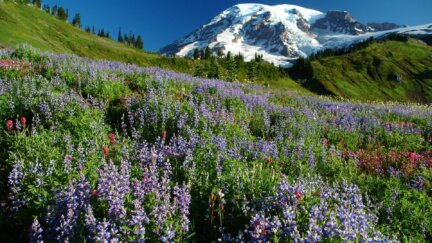
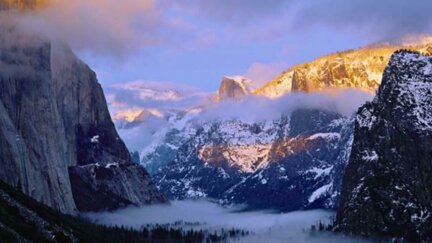
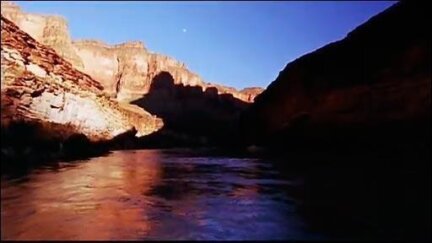
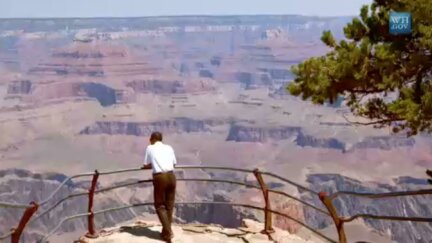
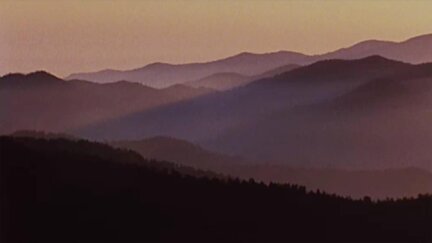
America's national parks are a treasure house of nature's superlatives – 84 million acres of the most stunning landscapes anyone has ever seen. They became the last refuge for magnificent species of animals that otherwise would have vanished forever; today, they remain a refuge for human beings seeking to replenish their spirit.
The national parks embody a radical idea, as uniquely American as the Declaration of Independence, born in the United States nearly a century after its creation. It is a truly democratic idea, that the magnificent natural wonders of the land should be available not to a privileged few, but to everyone.
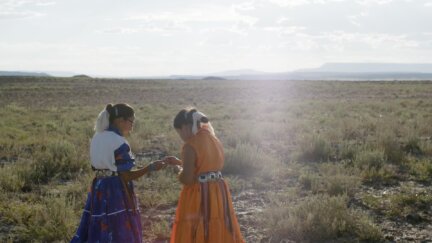
The idea has been constantly debated, constantly tested and is constantly evolving, ultimately embracing places that also preserve the nation's first principles, its highest aspirations, its greatest sacrifices – even reminders of its most shameful mistakes. Most of all, the story of the national parks is the story of people from every conceivable background who were willing to devote themselves to saving a portion of the land they loved.
Add to Scrapbook
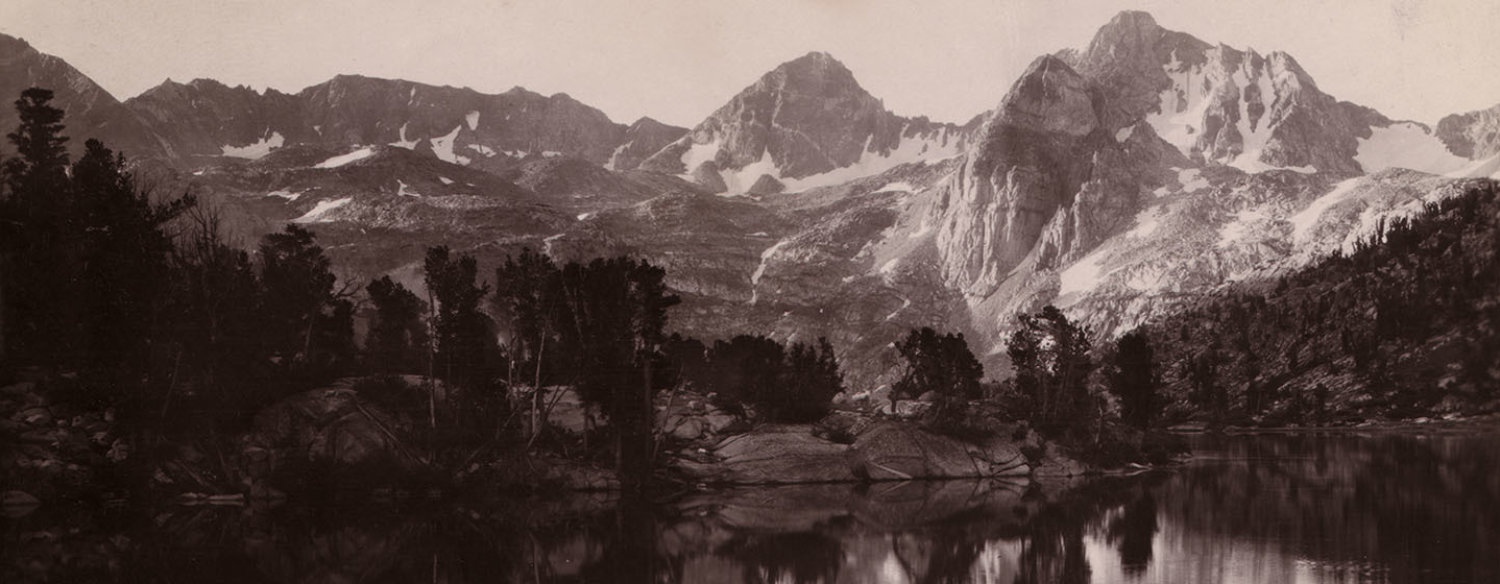
Three Brothers, Yosemite National Park, circa 1861, Carleton Watkins photograph |
The "Discovery" of Yosemite
It was the discovery of Yosemite, a place of awe-inspiring beauty, in 1851, that would set into motion events that would lead to legislation protecting and preserving the land for future generations.
The first white men to enter the Yosemite Valley were members of an armed battalion whose aim was to search for Indians and drive them from their homeland. One man in their party, a young doctor named Lafayette Bunnell, was so struck by the astonishing beauty of the place that he suggested that they give it a name. Mistakenly believing that it was the name of the Indian tribe living there, he decided to call it "Yosemite." (See sidebar)
Add to Scrapbook
James Mason Hutchings and tourists, Yosemite National Park, circa 1885 |
Four years later, in 1855, a second group of white people led by James Mason Hutchings entered Yosemite Valley with the help of two Indian guides. Hutchings, an Englishman who had failed miserably at his gold prospecting endeavors, hoped to make a fortune by promoting California's scenic wonders and running a tourist hotel in the valley.
The Land Endangered
In 1859, Hutchings visited Yosemite again, this time bringing with him a photographer. As other writers and artists traveled to the valley, word – and images – of Yosemite quickly spread, drawing more tourists eager to see the beauty for themselves.
When Horace Greeley, editor of the New York Tribune, saw the giant sequoias, he wrote: "If the village of Mariposa, the county, or the state of California does not immediately provide for the safety of these trees, I shall deeply deplore [it]....I am sure they will be more prized and treasured a thousand years hence than now, should they, by extreme care and caution, be preserved so long..."
Add to Scrapbook
Painting of George Catlin by William Fiske, 1849 |
Add to Scrapbook
Near Table Rock, Niagara Falls, circa 1860 |
The designer of New York City's Central Park, Frederick Law Olmsted, wrote of Yosemite that it was "the greatest glory of nature...the union of the deepest sublimity with the deepest beauty."
But it was all in danger, as the nation marched inexorably across the continent, systematically dispossessing Indian peoples of their homelands and putting the land to new uses.
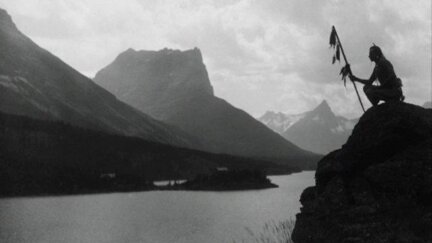
Back in 1832, the artist George Catlin, worried that the vast herds of buffalo and the Indians who depended on them would some day be gone forever, called for the creation of "a nation's park" to save them both. No one listened.
By the 1860s, the country's most famous natural landmark, Niagara Falls, had already been nearly ruined. Every overlook was owned by a private landowner charging a fee. If nothing was done, Yosemite was sure to end up the same way.