
Add to Scrapbook
Clear cut logging, Olympic Peninsula |
Add to Scrapbook
Franklin D. Roosevelt tours Olympic National Forest |
Add to Scrapbook
Olympic National Park |
The Battle for Olympic National Park (continued)
In 1937, Franklin Roosevelt and Harold Ickes entered into a park controversy that had been raging for 30 years. On the Olympic peninsula west of Seattle, verdant rain forests contained the largest specimens of Douglas fir, red cedar, western hemlock and Sitka spruce in the world. For centuries, the area was the homeland of native tribes like the Makah and the Quinault, the Hoh and Skokomish.
In 1909, Theodore Roosevelt had used the Antiquities Act to set aside 615,000 acres as Mount Olympus National Monument. Since then, every bill introduced in Congress to make it into a national park had been defeated, caught in a seemingly endless battle between the Forest Service and the Park Service.
Meanwhile, loggers were approaching the last virgin stands of rain forest. The president decided to assess the situation for himself – but his visit was arranged by the Forest Service and its allies in the lumber industry, who were intent on convincing Roosevelt that a national park would ruin an already suffering local economy.
The Forest Service ensured that Park Service officials were excluded from the invitation list. They scheduled a logging train to rumble past the president's lodge during his breakfast, a reminder of the jobs at stake. And they moved a sign marking the national forest boundary, giving the impression that a heavily logged area was not on federal land. "I hope the son-of-a-bitch who is responsible for this is roasting in hell," Roosevelt said when he saw the devastation, not realizing that he was looking at a national forest and his guide was the forest supervisor.
When Roosevelt learned about the deception, it only spurred his desire to protect the forest. On June 29, 1938, Congress converted the national monument to Olympic National Park and gave Roosevelt the authority to expand its boundaries. The president saved two of the most threatened valleys by stripping an additional 187,000 acres away from the Forest Service.
Ansel Adams, Harold Ickes and Kings Canyon National Park
Add to Scrapbook
Ansel Adams, Yosemite National Park, 1950 |
Add to Scrapbook
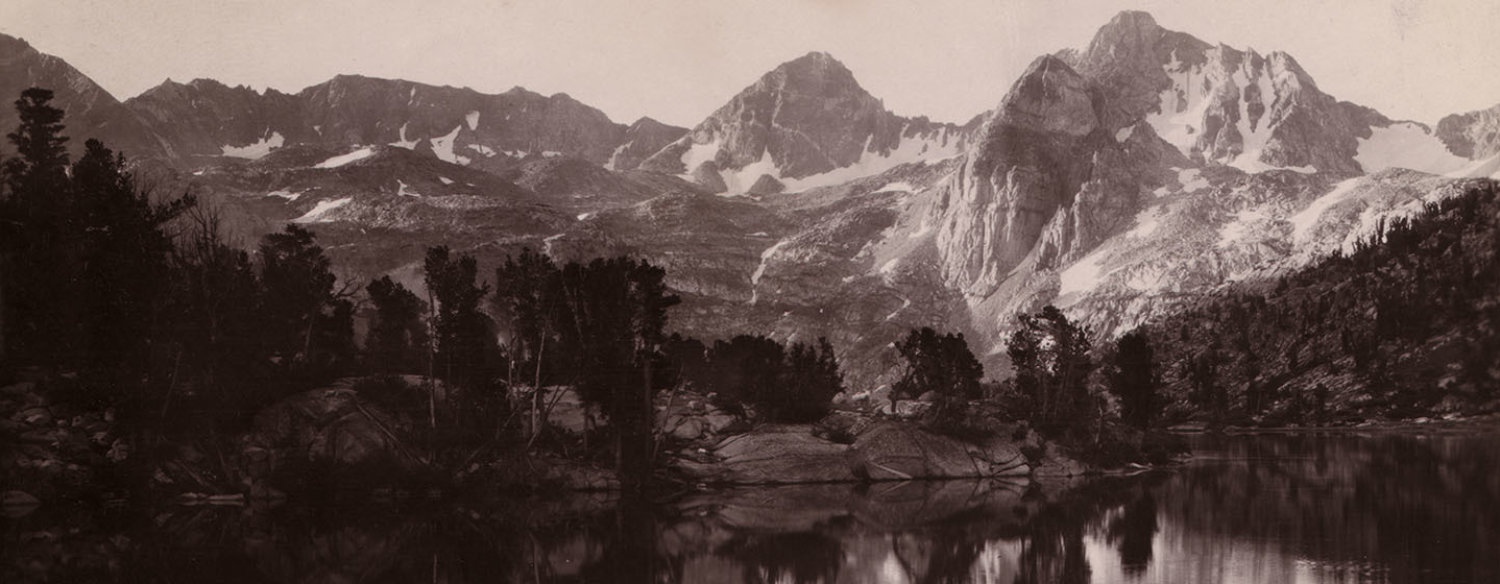
Enjoying the view from Mount Gardiner, Kings Canyon National Park, 1896, photograph by Joseph N. LeConte |
In 1938, a book entitled Sierra Nevada, the John Muir Trail arrived at Harold Ickes' office. It was filled with stunning images of California's Kings River Canyon region captured by an aspiring photographer named Ansel Adams. When President Roosevelt was shown the book, he liked it so much he quickly appropriated it for his own. (See sidebar video.)
Ansel Adams was on his way to becoming an influential photographer for the cause of national parks. The sensitive only child of a patrician San Francisco family, Adams first visited Yosemite when he was 14. He was transfixed by the waterfalls and rock faces and later wrote, "I knew my destiny when I first experienced Yosemite."
In the 1920s, after two long hiking trips into the Kings Canyon country, he became convinced that such spectacular beauty deserved federal protection. Both John Muir and Stephen Mather had battled unsuccessfully to protect the area in the past, but Adams and the Sierra Club believed they had an ally with the power to make the dream come true: Interior Secretary Harold Ickes.
Ickes saw in Kings Canyon his chance to create a new kind of park: a "wilderness park" in which roads, hotels, and other large developments would be banned. He threw himself into the fight against the forces that instead wanted dams, irrigation projects, grazing, timber harvesting, and elaborate tourist resorts.