
Gerard Baker
"This is Mount Rushmore! It's America! Everybody's something different here; we're all different. And just maybe that gets us talking again as human beings, as Americans."
Add to Scrapbook
Gerard Baker with his mother, Cara Baker, Fort Union Trading Post National Historic Site, 1982 |
Add to Scrapbook
Gerard Baker of the Hidatsa tribe |
A Mandan-Hidatsa Indian, Gerard Baker grew up on the Fort Berthold Reservation in North Dakota. His youth was spent breaking horses, running cows, and doing chores on his family's ranch. At night, he and his family would listen to stories told by tribal elders—stories of warfare, great hunts, tricksters, and survival. From these stories, he learned about his people and about who he was and who he wanted to be.
When he joined the National Park Service, Baker held fast to his native identity, learning more about his people's history and traditions in every place he was stationed – Knife River Indian Villages, Fort Union Trading Post, and Theodore Roosevelt National Park's North Unit. He read and conducted research, talked to elders and collected their oral histories, constructed teepees, earth lodges, and sweat lodges, skinned animals and tanned their hides.
Baker brought all he had learned with him to Little Bighorn Battlefield National Monument in his first job as a Park Service Superintendent. He ushered in a sea change in the park's interpretive program, bringing Native peoples back into the park and Native perspectives back into the story told there.
Add to Scrapbook
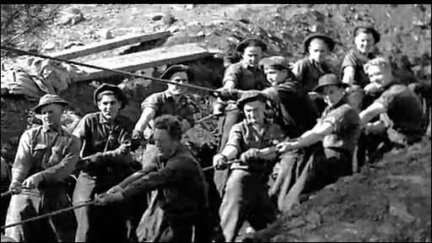
Gerard Baker (far right) and other park rangers, Knife River Indian Villages, 1980 |
Add to Scrapbook
Ranger Gerard Baker, Little Bighorn Battlefield National Monument, 1998 |
As the first superintendent of Lewis and Clark National Trail, Baker oversaw the creation and deployment of "Corps of Discovery II" – a three-year, nationwide exhibit that brought the story of the explorers and the Indians they met to crowds around the country. Corps II featured demonstrations, lectures, and cultural presentations presented by the Native groups themselves.
Today, as superintendent of Mount Rushmore, Gerard Baker continues to act as an agent for change. He has again brought an Indian perspective into the park's interpretive program, telling a more complex – and complete – story of the site. At Rushmore, he has expanded his vision to embrace the vast diversity of cultural traditions and stories that make up our national heritage.
"It's not just a teepee here," Baker says. "We're promoting all cultures of America. That's what this place is. This is Mount Rushmore! It's America! Everybody's something different here; we're all different. And just maybe that gets us talking again as human beings, as Americans."