
Watch Leonardo da Vinci

- Prev
- 1
- 2
- 3
- 4
- Next
About the Film
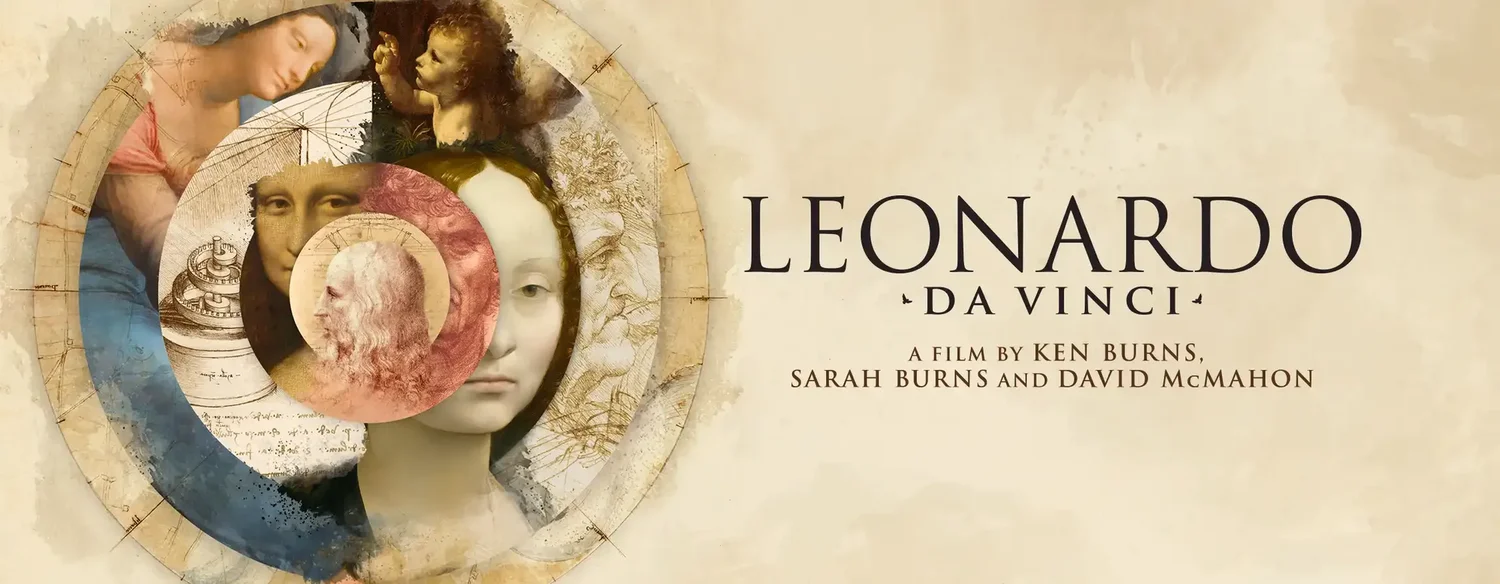
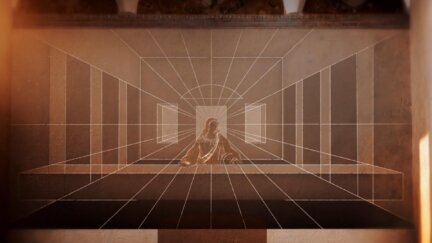
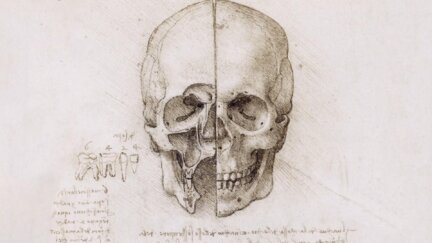
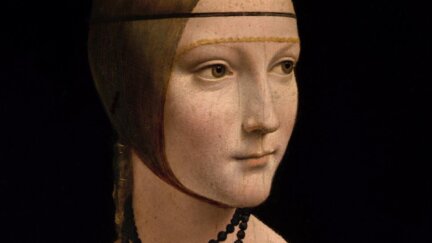
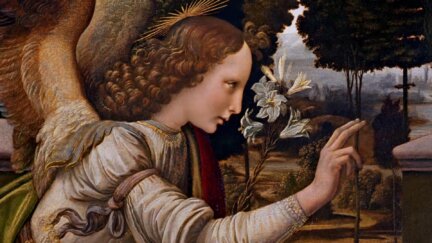
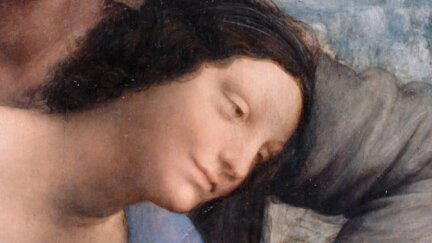
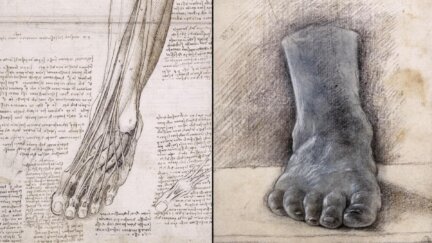
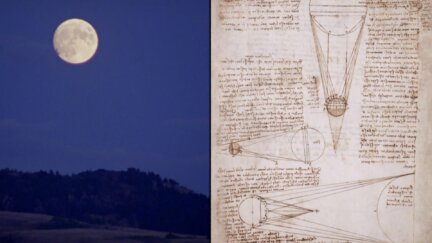
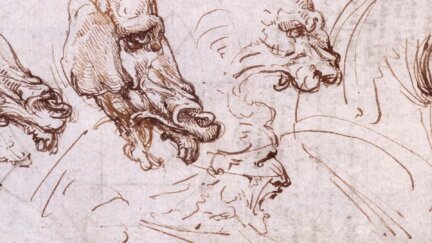
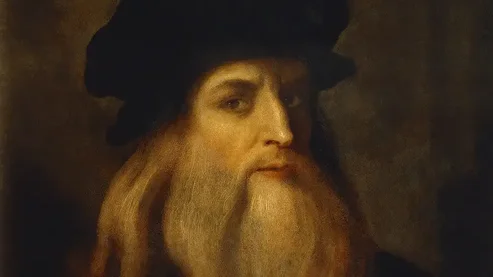
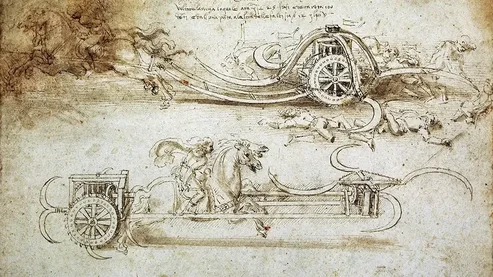
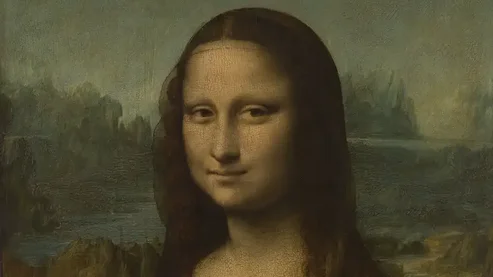
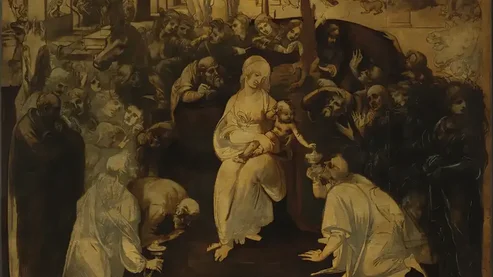
A 15th century polymath of soaring imagination and profound intellect, Leonardo da Vinci created some of the most revered works of art of all time, but his artistic endeavors often seemed peripheral to his pursuits in science and engineering. Through his paintings and thousands of pages of drawings and writings, Leonardo da Vinci explores one of humankind’s most curious and innovative minds.
Leonardo da Vinci, a two part, four hour series, is now streaming on PBS and the PBS app.
Ways to Stream
Multimedia & Interactives
From Ken Burns UNUM
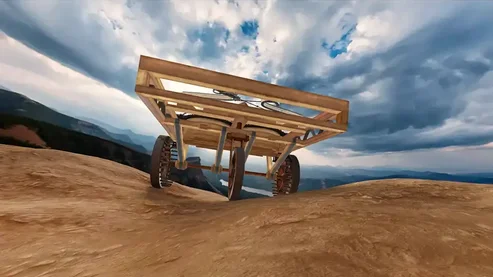
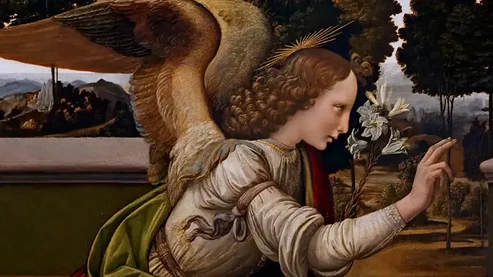
Ken Burns conducted a special series of UNUM Chats exploring Leonardo da Vinci’s legacy with creative and intellectual leaders working today. Each chat dives into Leonardo’s lasting influence across art, science, and culture—exploring what his genius means for our world now.
- Prev
- 1
- 2
- Next
PBS LEARNINGMEDIA
Bring Leonardo da Vinci into the Classroom
Explore standards-aligned lessons and videos inspired by the film.
Explore More
Explore Related Films
![Muhammad Ali [2021]](https://d1z5o5vuzqe9y4.cloudfront.net/uploads/Muhammad-Ali/Streaming-imagery/_250xAUTO_crop_center-center_60_none/MuhammedAli_OTT_Poster_sized.jpg)
![Hemingway [2021]](https://d1z5o5vuzqe9y4.cloudfront.net/uploads/Hemingway/Streaming-Imagery/_250xAUTO_crop_center-center_60_none/Hemingway_Poster_2000x3000_sized.jpg)
![Frank Lloyd Wright [1998]](https://d1z5o5vuzqe9y4.cloudfront.net/uploads/audios/_250xAUTO_crop_center-center_60_none/frank-lloyd-wright-361456b595e81f6d8f2e5e38d3a34542.jpg)
![Mark twain [2002]](https://d1z5o5vuzqe9y4.cloudfront.net/uploads/audios/_250xAUTO_crop_center-center_60_none/mark-twain-33179a5bf904823979fef24d8a8f938d.jpg)
![Seeing Searching Being: William Segal [2010]](https://d1z5o5vuzqe9y4.cloudfront.net/uploads/audios/_250xAUTO_crop_center-center_60_none/seeing-searching-being-william-segal-2aab46dad744770f1e5d050f468dbdc0.jpg)