

“Why should I care about Revolutionary history?”
That’s the question that I get when we start the American Revolution unit in my AP U.S. history class or begin to cover the foundations of the United States government in my government class. The American Revolution was full of battles, intrigue, and intense debates between friends and families — all the things you’d think a high school student would be excited to learn about. However, the American Revolution is not something that has traditionally inspired my students before we begin learning about it — for two reasons.
The first is that many of my students do not come from the same background as the founders, and they do not see themselves in their stories. The founders were a group of largely middle-age, white aristocrats, while my students are a racially and ethnically diverse group whose parents often work blue collar jobs. The second is that Texas, the state that I teach in, was not one of the original 13 British Colonies. My students in Texas have a harder time relating to this time period because it feels like it doesn’t include them or their history, even though this history is at the heart of the United States they live in.
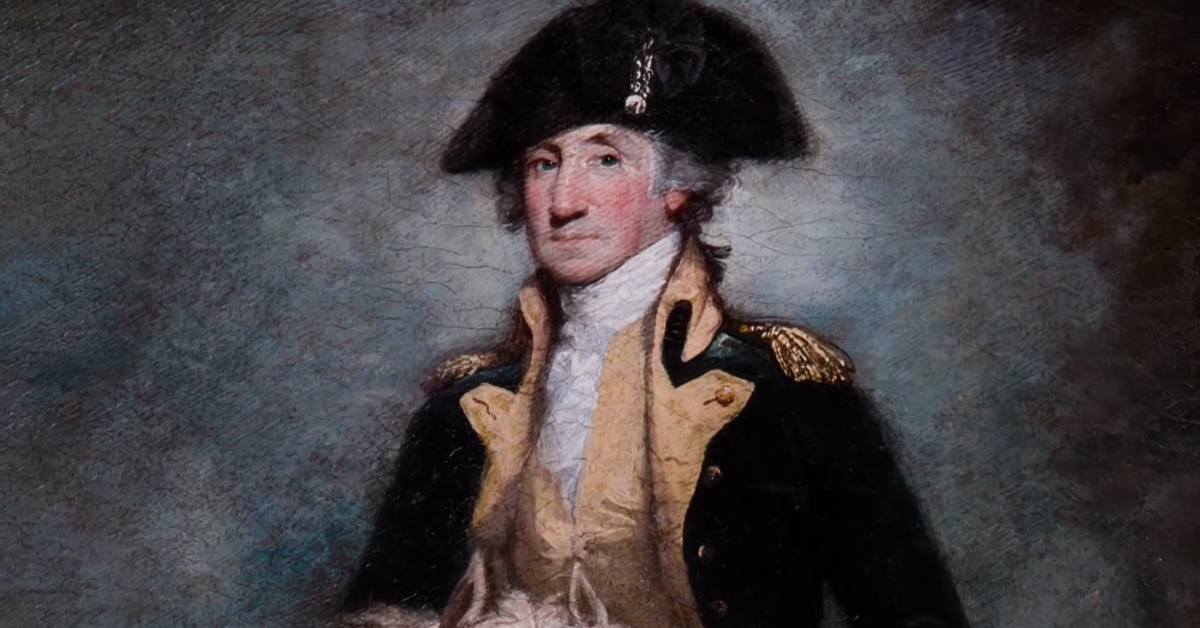
As a teacher at a very diverse high school in Austin, Texas, one of the biggest challenges I face when I introduce the American Revolution unit is that my students generally have not seen themselves represented in the common narratives of the Revolutionary era — racially, economically, or geographically. They tend to hear the stories of “George Washington, Benjamin Franklin, and Thomas Jefferson taking on the British Empire to carve out a new nation,” while the contributions of lesser known people, such as Native Americans like Thayendanegea (Joseph Brant) and the Stockbridge community, as well as Black Patriots like James Forten, are not commonly taught. Coupled with the fact that when we talk about the ideals of the Declaration of Independence, such as life, liberty, and the pursuit of happiness, as well as the ratification of the Constitution years later, my students always notice that those rights were not extended to all people in the United States. So when they ask me, “Why should I care about Revolutionary history?,” I understand why they're asking.
My students’ ongoing struggle to find relevance in the American Revolution and the founding documents has inspired me to latch onto one phrase in the Constitution — a phrase that was added purposefully — “in order to form a more perfect union.” I focus on this phrase because it shows that the founders knew, even then, that there were flaws in the framework they established and that the boundaries of that framework would extend over time. The writers of the Constitution included the modifying word “more” within the phrase “in order to form a more perfect union” as a way to signal to future generations that they were creating a blueprint, and that over time, we, the people living in the country 250 years later, were supposed to build upon that blueprint. And to do that, we need to understand what they were trying to build in the first place.
To help my students understand the fight for freedom, the goals of our founders, and find relevance to our world today from the American Revolution, I make sure that I incorporate three things in my lessons for students to consider:
Consider Multiple Perspectives
When I plan my lessons for the American Revolution unit, I prioritize resources that show students the whysbehind the Revolution, particularly the ideas that inspired it. I talk about Thomas Paine, who was not a member of this aristocracy but galvanized support for the revolution through his pamphlet Common Sense. I also use primary sources from this time period to help students see what the Colonists believed they were fighting for and what freedom and democracy meant to them. I do my best to bring multiple perspectives and voices into these lessons so students can see that many different people were fighting for freedom. John Adams’ wife, Abigail Adams, and poet Phillis Wheatley, for example, were two individuals who worked tirelessly for this cause while ultimately never enjoying the rights of full citizenship in their lifetimes.
Make It Relatable
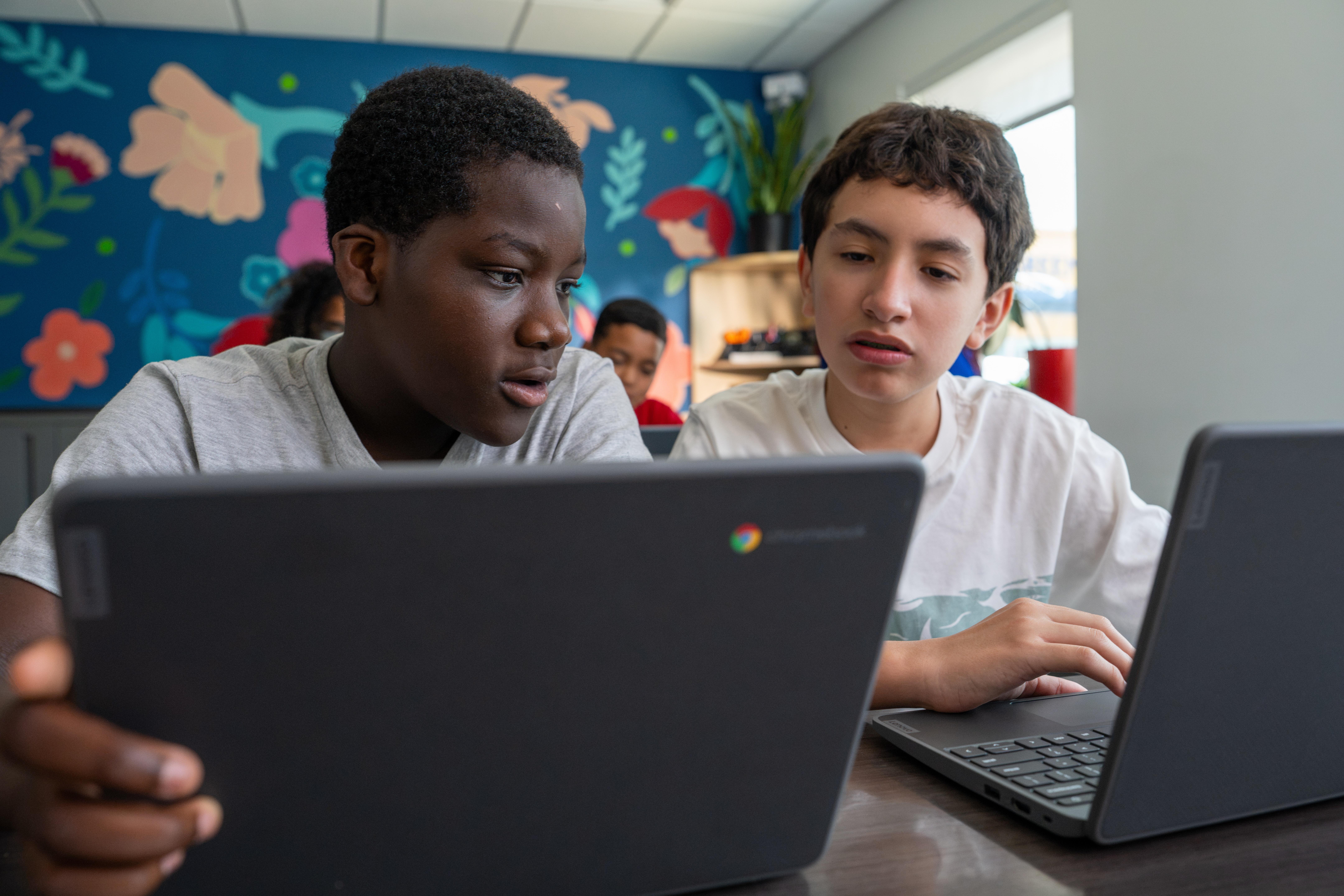
When I’m having trouble getting students to relate to the American Revolution, or any other topic in history, I ask them what they care about and encourage them to look for intersections in their daily lives that they can bring into the classroom discussions. For example, many of my students are Spanish-speakers, so we investigate, How did the Spanish become so prevalent in this area? Well, Texas was once a part of Mexico, which was colonized by Spain. By making that connection, I then talk about how Spain was integral in the American Revolution, too!
Bringing these connection points into the classroom is what makes history feel much more tangible to students, especially history that seems irrelevant or too distant to them. I encourage you to take some time to talk to your students and look for that inspiration that might just be around the corner.
Identify the Throughlines of History
Once I have taught the American Revolution unit and offered some ways to tie it to my students’ lived experiences in Texas today, I then build upon our learnings in subsequent units, such as the Progressive era and Civil Rights units. During these units, and throughout my lessons for the rest of the year, I have my students answer two specific questions, “Does what is going on at this moment live up to the ideals behind the founding of the nation?” and “How is what is going on at this historical moment making this country a ‘more perfect union?’” I do this so students can see the throughlines of history — that the ideals of the Revolutionary era are relevant throughout U.S. history.
I have my students analyze “The Declaration of Sentiments” from the Seneca Falls Convention and then compare the rhetoric used there to that of the Declaration of Independence. Through this lesson, students see that the ideals of the American Revolution inspired some of the most historically important people who strived to make change — such as Elizabeth Cady Stanton, Martin Luther King Jr., Maria Moreno, participants of the Stonewall Uprising, Shirley Chisholm, Fannie Lou Hamer, Teddy Roosevelt, Eleanor Roosevelt, and, for us Texans, individuals like Lyndon B. Johnson, Barbara Jordan, and Jovita Idar. They were all inspired by the promises of this nation to strive toward “a more perfect union” and were willing to fight to make something “more perfect” for future generations. You can use resources from PBS LearningMedia on these changemakers to show your students how these ideals persist for centuries after they were originally written down.
Addressing historical relevance is a great place to start because teachers know that when students feel a personal connection to what they are learning, they are more likely to engage with it and find meaning in it — even when they’re learning from thousands of miles away. My fellow PBS LearningMedia Teacher Ambassador Amy Bennett-Rosado shared a similar story about how she helped her younger California students find meaningful connections to the American Revolution.
Whether you find a way to incorporate voices of historical figures that look like the students sitting in your class today or you manage to bring a story that happened thousands of miles away into your community and make it feel connected, you’ve taken an important step to ensuring that your students understand that the history of the American Revolution is our shared history of the United States.