

Teaching the American Revolution in the Elementary Classroom
Elementary social studies teachers have to accomplish a lot with very little time. In a single lesson, we may introduce a major event, build background knowledge, support reading, and ask students to use evidence to explain their thinking. It is a lot to fit into one block, but it is also what makes social studies so valuable.
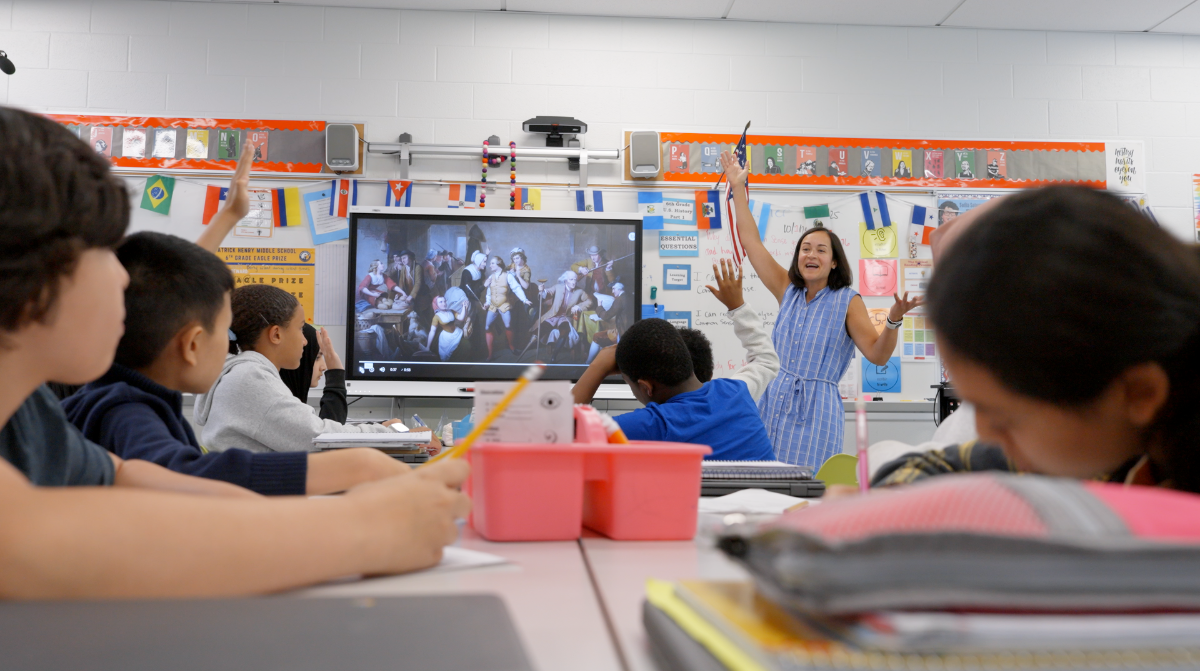
Upper elementary students are ready for more than names and dates. With thoughtful support, they can make sense of a challenging primary source and offer ideas worth taking seriously. Giving them that chance recognizes them as capable learners and invites them into the work of history.
The American Revolution is a natural place to begin because there are accessible primary sources that show how people who lived through the conflict did not all experience it in the same way. Students can begin to recognize that perspective shapes how historical events are remembered and that no single account tells the whole story.
Primary sources give students a chance to examine the past for themselves, but they may need support making sense of what they are reading. The challenge may be unfamiliar language, missing context, new ideas, or uncertainty about which details matter. That does not mean explaining the source before students have a chance to think about it. Shorter excerpts, background information, vocabulary support, and focused questions can make a source more approachable without doing the thinking for students. PBS LearningMedia’s Ken Burns in the Classroom The American Revolution Classroom Collection offers several strong places to begin.
Was Washington the Obvious Choice?
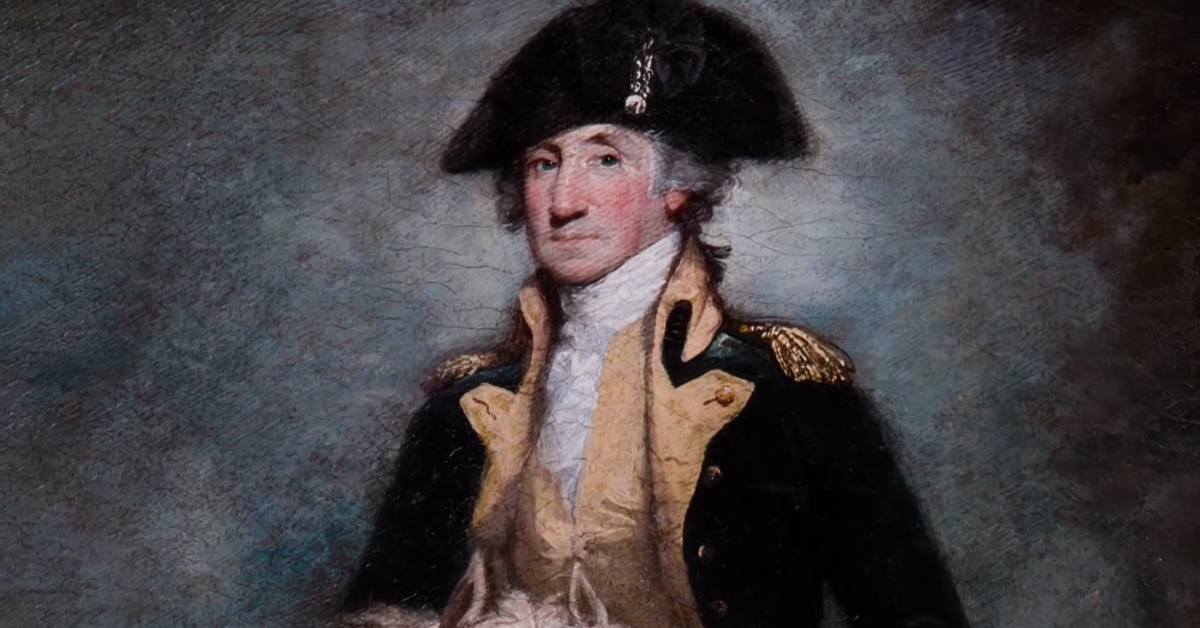
George Washington is often one of the first people students can name from the American Revolution. They may know that he was a military general, became the first president, or appears on the dollar bill — but because he is so familiar, students may assume that choosing him to lead was an obvious decision.
The lesson “Why George Washington? The Obvious Choice To Lead the Continental Army” asks students to slow down and reconsider that assumption. Students first consider what makes someone a leader in their own lives and then use those ideas to examine Washington.
They examine Benjamin Rush’s dramatic 1775 description of Washington:
“He has so much martial dignity in his deportment that you would distinguish him to be a general and a soldier from among 10,000 people. There is not a king in Europe that would not look like a valet de chambre by his side.”
Once students work through the unfamiliar language, the source becomes surprisingly fun to unpack. Rush is not simply saying that Washington was qualified. He is describing someone who appeared so commanding that even a king would seem unimpressive beside him.
The description raises several questions. Was Rush describing leadership, appearance, or both? Does looking like a leader make someone the right person to lead? How much weight should we give to one enthusiastic account?
A simple way to extend the discussion is to ask students what other evidence they would want before deciding whether Washington was the obvious choice to lead the Continental Army. They might want to know more about who attended the Continental Congress in June 1775, when Washington was selected, or they might ask about his earlier military experience, or what qualities the Continental Army needed in a leader at that moment. The goal is not to lead students toward one answer. It is to show them why historical conclusions should rest on more than one piece of evidence.
Rather than presenting Washington’s reputation as a settled fact, the lesson asks students to examine how it was formed. They are still studying a familiar figure, but they are also learning that even the best-known stories in history can be questioned.
Looking Again at the Boston Tea Party
The Boston Tea Party may be another event students have encountered before, whether through a textbook, picture book, classroom lesson, or popular culture. They may recognize the familiar story of colonists dumping tea into Boston Harbor without yet considering that there is more than one way to tell the story of what happened.
“The Boston Tea Party” gives students a chance to look more closely. The resource combines short video clips with historical objects, including a surviving tea chest and tea leaves collected after the protest. Students examine the objects, notice details, and make predictions before learning more about the events surrounding them. For younger learners, the objects offer something concrete to investigate while raising questions about what survives and what those things can tell us about the past.
One especially interesting question asks why the event, once commonly referred to as the “Destruction of the Tea,” later became known as the Boston Tea Party. Even that change in name gives students something to think about. How an event is described can influence the way people remember it.
The accompanying questions also ask students to consider why the protestors destroyed the tea but not other property and how the protest contributed to growing conflict with Britain. Rather than treating the Boston Tea Party as a single familiar story, the lesson helps students see how evidence, language, and perspective shape the way history is told.
Seeing the Revolution Through Betsy Ambler’s Eyes
George Washington and the Boston Tea Party give students familiar starting points, but neither can show what the Revolution looked like to everyone who lived through it. “The Experiences of a Young Girl During the American Revolution: Betsy Ambler” shifts attention to a young girl whose family lived through the conflict.
The resource uses an interactive timeline that combines primary-source excerpts with short video clips from The American Revolution documentary. An animated Betsy speaks in the first person, while the clips provide context about her family and the events unfolding around them. Questions appear throughout the timeline, giving students time to pause and think about what her experiences add to their understanding of the Revolution.
Betsy was not leading an army or helping create a new government. She was a young person living through the uncertainty of war. Her account shows how the Revolution disrupted not only the lives of the political and military leaders students are most likely to recognize, but also the lives of families and young people as well.
Moving from George Washington to Betsy Ambler shifts the focus from national leadership to daily life during wartime. Betsy’s account reminds students that understanding the era also requires attention to people who did not hold political or military power.
“Remember the Ladies”: Letting Younger Readers Into the Conversation
The George Washington and Betsy Ambler resources demonstrate how the perspective behind a source shapes the story it tells. Reading letters between John and Abigail Adams allows students to examine a disagreement about power and women’s roles in the new nation.
“Analyzing Letters Between John and Abigail Adams” provides an accessible structure for that analysis. The difficulty of 18th-century writing can make teachers hesitant to use primary sources with elementary students. This resource makes the letters more manageable without removing the original language.
Students read Abigail Adams’s request that John “remember the ladies” as the new government takes shape, along with John’s dismissive response. The exchange gives students something real to wrestle with. Abigail is asking for women to have greater rights under the law, while John largely brushes her argument aside.
The original text appears beside an adapted version, so students can return to John and Abigail’s own words without getting stuck on every unfamiliar phrase. They can spend more time considering what Abigail is asking for, how John responds, and what the exchange reveals about whose voices carried power in the new nation.
Teachers can use the same side-by-side routine with other challenging sources. They can begin with the adapted text, return to a key phrase in the original, and explain how the wording affects their understanding.
Beyond a Simple Patriot Story
The disagreement between John and Abigail Adams shows that even people within the same household did not necessarily share the same ideas about power and freedom. The Patriot and Loyalist materials bring an even wider range of disagreements into view.
“Patriots and Loyalists During the American Revolution” asks students to consider why independence did not mean the same thing to everyone. Through video clips, students hear Loyalists explain their choices in their own words. Mather Byles questions whether rule by nearby Patriots would really be better than rule by a distant king, while the Rev. Solomon Williams describes Patriot leaders as “upstart” and “lawless.” The film clip also includes two men named John who remain Loyalists, a detail students may enjoy noticing as they sort through the perspectives. The resource asks students to consider why one person might see revolution as a fight for liberty while another sees disorder.
This resource also shows that the divide did not capture everyone’s position in the Revolution. Native nations had long-established governments, communities, trade networks, and diplomatic relationships before the Colonies declared independence. “Native Nations Before the American Revolution” begins from that history rather than introducing Native nations only after the war starts. Through videos, readings, and maps, students examine why Native nations entered the Revolution with their own priorities and concerns.
That context complicates the familiar question of which side Native nations supported. Their choices were not simply about whether the Patriots or the British were in the right. Sovereignty, land, diplomacy, and responsibilities to their own communities also shaped their decisions. Placing this resource beside the Patriot and Loyalist material challenges the idea that the Revolution was one shared story with two clear sides. People experienced the conflict from very different positions, and those positions shaped what they hoped to protect and what they believed was at risk.
Building a Fuller Story
PBS LearningMedia’s The American Revolution Classroom Collection does more than introduce upper elementary students to a well-studied period of history; it gives them practice looking closely at sources and recognizing when one account is not enough. Students can then carry those skills into later units as they encounter new conflicts, sources, and interpretations of the past.
The 250th anniversary may have brought new attention to the American Revolution, but the value of this work is not tied to one commemoration. In later units on treaties, reform movements, conflicts, and civic debates, students will need to ask the same questions about whose account they are reading and what may be missing, and beginning that work in elementary school gives them time to strengthen those historical thinking skills.
Young learners do not have to wait until middle or high school to examine how perspective shapes the stories told about the past. Inviting them into that work early shows them that their thinking already has a place in the study of history.