ABOUT COMMUNITY CONNECTIONS: Community Connections is a lesson collection designed for adult learners and community colleges, with the goal of inspiring student civic action. This might be respectful debate or conversation about a local issue, planning a community event, or a creative project that helps connect local, national and global issues.
To use this lesson: First, watch the video and answer the questions below as a warm up. Next, choose one or more of the activities under "Take Action" that best fits your classroom. Or, use the segment above to inspire your own original classroom activities — the spirit of these lessons is to connect current events to actions that make your community a better place for everyone!
SUMMARY
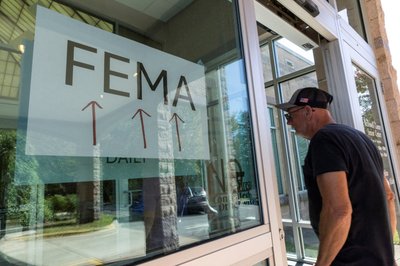
Following devastating damage in southeastern states from Hurricane Helene, many have spread lies and spouted conspiracy theories about the federal government’s response. The disinformation is causing confusion among those most desperate for help and answers. Geoff Bennett discussed this with Juliette Kayyem, former assistant secretary at the Department of Homeland Security.
View the transcript of the story.
WARM-UP QUESTIONS
- Who is Juliette Kayyem, and what is her background?
- What are some of the harms of misinformation on emergency recovery, according to Kayyem?
- When and Where did Hurricane Helene cause widespread damage?
- How have political figures like former President Donald Trump claimed the federal government is failing on recovery?
- Why have hoaxes about government actions led to some people ignoring evacuation orders?
FOCUS QUESTIONS
Juliette Kayyem says that emergencies like hurricanes can make it harder for those affected to access accurate information. She says that those in affected areas should seek a good "media diet." What do you think she means, and what do you think makes a good media diet during disasters and emergencies?
Media literacy: In this interview, Kayyem makes a distinction between misinformation and disinformation. What distinction does she make, and do you think it matters whether or not inaccurate information is spread on purpose or by accident?
Alternative: See, Think, Wonder: What did you notice? What did the story make you think? What would you want to learn more about?
TAKE ACTION
Read the article from the Associated Press, "Disinformation and conspiracy theories cloud Helene recovery efforts in hard-hit areas."
Then discuss — how could citizens make sure they have access to accurate media during times of disaster? Then, use this activity to design an app for people to use to get accurate information during disasters. Consider:
- What sources might be best to use?
- What if accessing the internet or television is difficult because of power and communications outages?
Alternately, think about who you could interview to learn about disaster response in your own community. What would you ask them about disaster preparedness and the best ways for communities to come together to help each other?
This project was funded under the 2024 Leonore Annenberg Civic Mission of the Nation Initiative, sponsored by the Leonore Annenberg Institute for Civics. LAIC is a project of the Annenberg Public Policy Center of the University of Pennsylvania.
Fill out this form to share your thoughts on Classroom’s resources.