NOTE: If you are short on time, watch the video and complete this See, Think, Wonder activity: What did you notice? What did the story make you think about? What would you want to learn more about?
Teacher's note: For the sake of time, you may want to watch just the first 2m:50s of the video.
SUMMARY
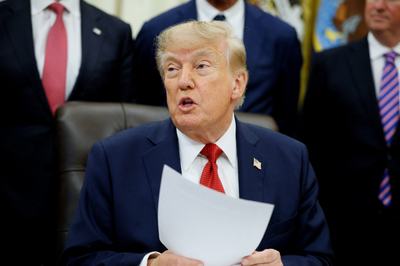
President Donald Trump is said to be preparing a bailout package of at least $10 billion that could provide relief to farmers facing the financial pain of tariffs on China. To discuss what this means for farmers and for the heartland, Liz Landers spoke with Aaron Lehman. He is the President of the Iowa Farmers Union, representing growers in the second-largest soybean-producing state in the country.
View the transcript of the story.
News alternative: Check out recent segments from the NewsHour, and choose the story you’re most interested in watching. You can make a Google doc copy of discussion questions that work for any of the stories here.
WARM-UP QUESTIONS
- How much is the potential farm bailout bill?
- What has been the economic impact of tariffs on farmers, according to farmers Chris Gibbs and Tyler Stafslien?
- Where do American farmers ship 50% of their soybeans?
- Who are different groups of people affected by the tariffs, in addition to farmers, according to Aaron Lehman?
- Why do farmers need a bailout from the federal government, according to Lehman?
ESSENTIAL QUESTIONS
- Do you think it is a good idea for the federal government to bailout farmers? Explain.
- Do you think it is fair that the government bail out farmers when other groups of Americans are not receiving support during difficult economic times? Explain.
Media literacy: Besides the two farmers and the president of the Iowa Farmers Union, who else would you like to hear from in this story?
WHAT STUDENTS CAN DO
- Conduct some additional research on the federal government bail out of farmers in 2020:
- Aaron Lehman said of the federal government bailout of farmers in 2020: "We also know that when aid packages were rolled out five years ago, many farmers who were in need at that time didn't receive any of the aid package. And some of the largest multinational corporations in the world receive the largest payments. And that doesn't make sense. And it only causes more divisions between our farming operations."
- You may want to start with this NPR piece, What happened to U.S. farmers during the last trade war.
- Read the 2024 Politico article Did Trump or Biden deliver more for farmers? The answer may surprise you.
- Learn more about the impacts of tariffs under the current Trump administration using the Financial Times' Tariff Tracker. If you teach 16-19-year-old students, you can sign up for a free Financial Times account via FT Schools.
- You may also want to check out this News Hour piece, Hardworking Virginia family struggles to achieve American dream:
- And this News Hour piece, Why more family farms are filing for bankruptcy:
NEWS: THEN & NOW
The News: Then & Now section of the Daily News Lessons allows students to see connections between current and past news events. The activity provides historical context using primary sources from the Library of Congress.
See PBS News Hour Classroom's Journalism in Action website for interactive examples of how journalists covered key events in U.S. history while honing your primary source, civics and digital news literacy skills.

Credit: Screenshot PBS News Hour Classroom, Iran backgrounder article
Dig deeper: To better understand the current conflict, read PBS News Hour Classroom's Backgrounder: History of Iran — Late 19th century to present, contributed by World History Association educators.
Sign up to receive our weekly newsletter with Daily News Lessons and community events.
To provide feedback on News Hour Classroom's resources, including this lesson, click here.