SUMMARY
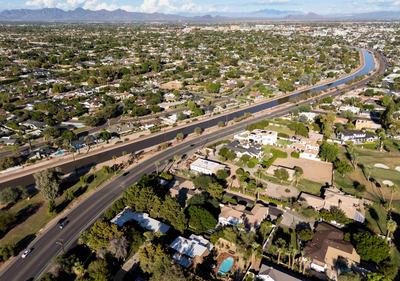
Law enforcement agencies in the U.S. use AI-powered cameras to scan billions of vehicles each month, often without drivers ever realizing. Supporters say the technology is a tool for solving crimes. But critics warn it's creating a nationwide surveillance network, raising urgent questions about how much privacy Americans are willing to sacrifice in the name of safety. Paul Solman reports.
View the transcript of the story.
NOTE: If you are short on time, watch the video and complete this See, Think, Wonder activity: What did you notice? What did the story make you think about? What would you want to learn more about?
News alternative: Check our recent segments from the News Hour, and choose the story you’re most interested in watching. You can make a Google doc copy of discussion questions that work for any of the stories here.
WARM-UP QUESTIONS
- Who is Chrisanna Elser and what crime was she falsely accused of due to evidence from a Flock camera?
- What example does Aurora Police Chief Todd Chamberlain give of Flock cameras having a positive impact?
- When did YouTuber Benn Jordan gain access to Flock camera feeds and what was the company's response?
- Where (in what states) are Flock cameras installed? In total, how many are actively surveilling Americans?
- How many cities have cancelled their contracts with Flock in the past year due to citizen backlash?
ESSENTIAL QUESTIONS
- How might it be difficult for the U.S. government to find the right balance between public safety and personal privacy? Do you think technology such as Flock cameras have tilted that balance too far in one direction?
- What do you make of Elser's suggestion that everyone should have an "arsenal" of digital evidence to combat the technology now possessed by law enforcement? Is that a realistic option for the average American?
Media literacy: Take a look at this infographic created by the American Civil Liberties Union (ACLU) of Oregon. Then, answer the following questions.
- What do you know about the ACLU? What bias/perspective might they bring to the discussion of Flock cameras?
- Do you think a person who only read the ACLU infographic would feel differently about Flock than someone who only watched the News Hour segment? Why or why not?
WHAT STUDENTS CAN DO
Read this commentary from the Brookings Institute calling for Congress to update the Electronic Communications Privacy Act (ECPA) of 1986. Then, answer the following prompt, either through a brief debate with a classmate or a 250-300 word written response:
Which is more of a threat to privacy, law enforcement access to data held by U.S. communcations providers (e.g. Google, Meta, OpenAI) or to surveillance footage from Flock cameras?
Written by PBS News Hour Classroom's Intern Henry Mode and Luke Gerwe.
Sign up to receive our weekly newsletter with Daily News Lessons and community events.
To provide feedback on News Hour Classroom's resources, including this lesson, click here.