SUMMARY
Extreme heat is the deadliest weather-related threat in the U.S. In Phoenix, heat kills more people than homicides each year. So the city is turning to an unlikely lifesaver: bags of ice. And the fire department is creating a new model in the battle against heatstroke. For our series, Tipping Point, Ben Tracy of Climate Central shows how this low-tech approach is saving lives.
View the transcript of the story.
Short on time? Watch the video and complete the following See, Think, Wonder questions: What did you notice? What did the story make you think? What would you want to learn more about?
News alternative: Check out our recent segments from the News Hour, and choose the story you’re most interested in watching. Then make a copy and answer these general discussion questions.
WARM-UP QUESTIONS
- Where (in what city) does heat kill more people than homicides every year?
- Who is Ben Tracy, and what is his background?
- How do firefighters attempt to treat heatstroke?
- Why are cities like Phoenix having to deal with more cases of heatstroke in recent years?
- What are some of the reasons that the ice bag response is effective?
ESSENTIAL QUESTIONS
- Can you think of ways to make cooling resources available to people who may be experiencing heat stroke in cities like Phoenix? What about cases where emergency response like firefighters are not able to reach victims in time?
- Why do you think firefighters have developed a low-tech method for dealing with heatstroke? Can you think of more sophisticated technology that might help emergency response if available?
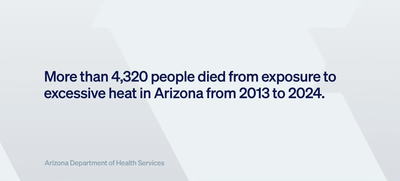
Media literacy: Examine the infographic below. Then discuss — Does this number surprise you? Is extreme heat a threat during summers where you live? How could you find out?
WHAT STUDENTS CAN DO
This segment was about ways that emergency responders treat people experiencing heat stroke in cities. But what can be done to prevent heat-related illness in the first place? Check out this lesson and begin brainstorming ways to reduce heat in cities, or offer relief for people who may be at risk of heat illness.
As a class, discuss — how can we plan cities to make them safer for people during periods of extreme heat?
Sign up to receive our weekly newsletter with Daily News Lessons and community events.
To provide feedback on News Hour Classroom's resources, including this lesson, click here.