This Week’s NOVA Next Feature
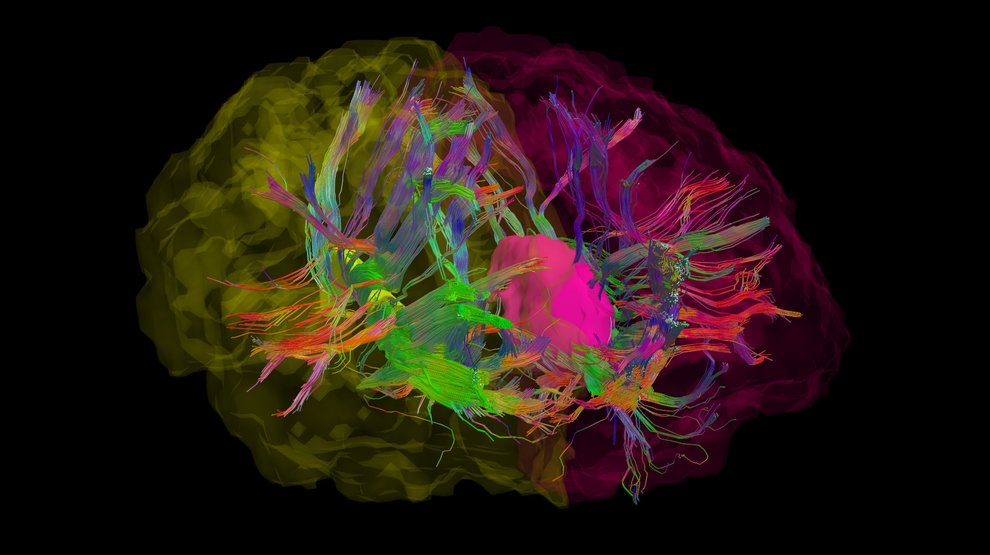
As our understanding of the human brain grows more sophisticated, it is changing how courts determine culpability. NOVA Next contributor Mo Costandi talks with neuroscientists about how their field is affecting the outcome of criminal cases.
In other news from NOVA and around the web:
- Researchers have devised a clever way to target cancerous cells using little more than existing chemo drugs and electricity.
- Feeling dizzy? You might be able to thank your genes for that .
- Understanding how plants create hydrogen could unleash an energy revolution. But we have to figure out what happens to four electrons first .

- Researchers at Weill Cornell Medical College sampled DNA in New York City’s 466 open subway stations. The Wall Street Journal reports on what they found .
- In the United Kingdom, women may soon be able to prevent passing certain deleterious genetic defects on to their children.
Did you miss "Vaccines—Calling The Shots" this week? You can watch it streaming online here.
- The drug company Chimerix has abruptly stopped a clinical trial underway in Monrovia, Liberia, because of a lack of Ebola patients .
- Watch a time-lapse video about the damaging effects of light pollution over at Slate.
- Wired reports that $30 million could be set aside for a NASA mission to the Jovian moon Europa.
