This Week’s NOVA Next Feature
Memory prostheses could help the sick and injured by stimulating the hippocampus, but they also raise ethical questions. NOVA Next contributor Carrie Arnold reports the story.
In other news from NOVA and around the web:
- More and more dams are being built in one of the world’s most active earthquake zones .
- These creatures attack their mother and feast on a layer of her skin. It’s a lot like breastfeeding… only weirder. New video from Gross Science .
- Fracking chemicals have been detected in Pennsylvania drinking water . Here’s one way we can purify even the dirtiest waters .
- Rising sea levels might have banished the woolly mammoth to its final resting place.
- It takes 100 gallons of water to produce about two avocados.

- The origins of complex life have been uncovered in the depths of the ocean.
- “Astronomy has its evils, and as with Mauna Kea, they are often connected to mistreatment of native peoples .”
- The biggest misconceptions about evolution, and what we can do about them
- There’s a plant that shows you where diamonds are buried .
- As the LHC turns back on, it will begin looking for signs of dark matter. But for scientists working on the Alpha Magnetic Spectrometer, the pursuit of dark matter has been ongoing.
- Meet the archaeologists who unraveled a nearly 60-year-old maritime mystery.
Did you miss "Nazi Attack on America" this week? Watch it streaming online here.
- Rhinos Without Borders aims to relocate 100 rhinos to areas better protected from poachers by next year.
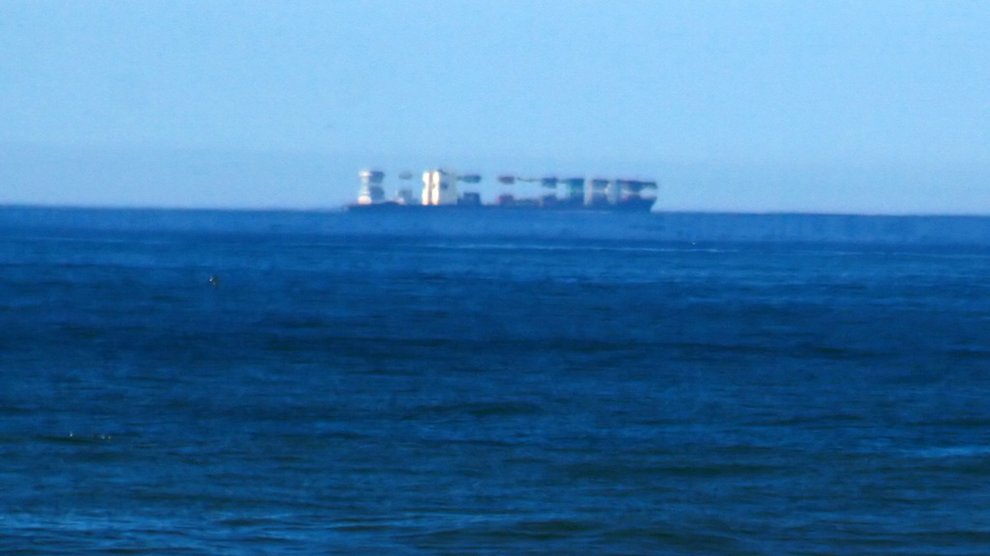
- There’s a perfectly scientific explanation for why Chicago appeared upside down in Michigan.
- Why do cats purr? Apparently, it could be because purring frequencies stimulate bone regeneration .
- This galaxy, the most distant we know of, is 13.1 billion light-years from Earth .
- New ovarian cancer test that detects changing levels of protein in blood is two times as effective as others.

