This Week’s NOVA Next Feature
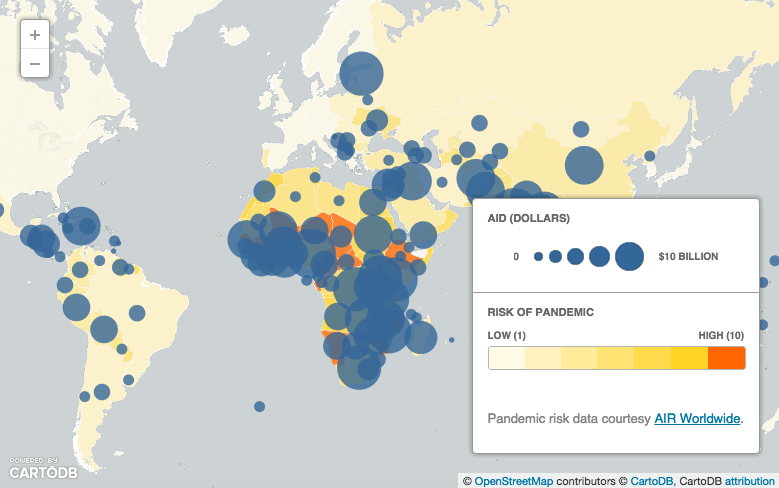
Strings attached to development aid have helped hollow out the health systems of Ebola-affected countries.
Sophie Harman reports the story as part of our ongoing collaboration with The GroundTruth Project on a multi-part investigation called Next Outbreak .
In other news:
- Junk food can alter your immune system .
- Should you be afraid of public bathrooms ?
- Leaky blood vessels could help prevent Alzheimer’s.
- A DeLorean can’t take you back in time. But could superluminal speeds ?
- Can the laws of physics change over time and space?
- This new device could be what surgeons need to keep patients cancer free for longer .
- These touching binary stars will die spectacular deaths no matter how they go.


What We’re Reading
- Could scientists someday alter complicated human traits by manipulating many genes at once ? [The New York Times]
- Workers doing renovations to the University of Virginia Rotunda have unearthed a hidden chemical hearth , part of an early science classroom. [NPR]
- The ruins of the Temple of Santiago are usually hiding underwater. But drought has caused water levels to lower, exposing the old church for the first time since 2002. [Gizmodo]
- The study of neutrinos should be a top priority for nuclear science research, according to a U.S. committee. [Nature News]
- The country of Palau has just approved the creation of an enormous marine reserve that will protect 80% of its territorial waters. [National Geographic]
- This scientist is under attack for killing a rare bird that took decades to find. [The Guardian]
Did you miss "Sinkholes—Buried Alive" this week? Watch it streaming here.
