Receive emails about upcoming NOVA programs and related content, as well as featured reporting about current events through a science lens.
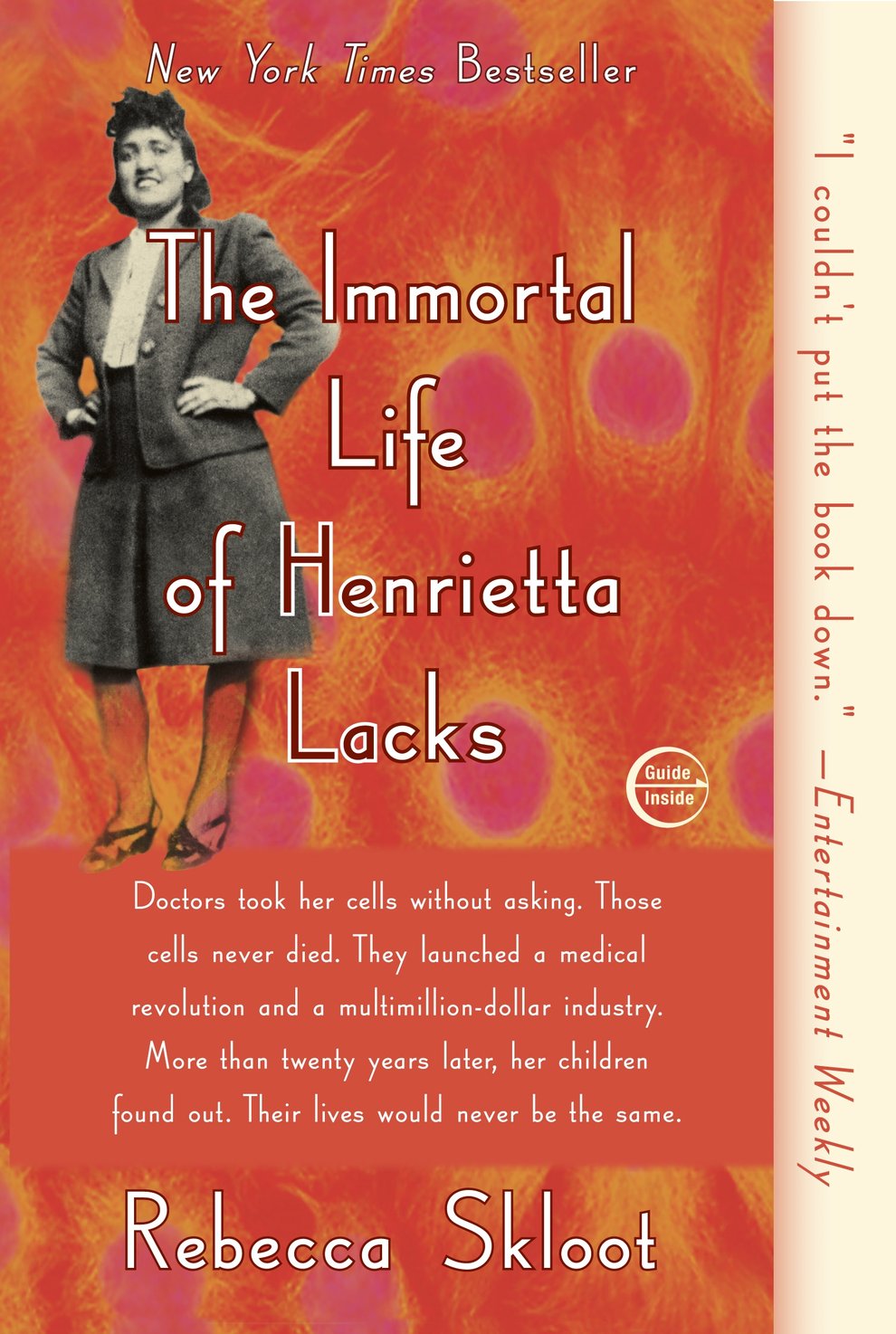
This is part two of an excerpt from Rebecca Skloot’s bestselling book,
THE IMMORTAL LIFE OF HENRIETTA LACKS
. The book tells the story of a poor black tobacco farmer whose cells—taken without her knowledge in 1951—became one of the most important tools in medicine, vital for developing the polio vaccine, cloning, gene mapping, in vitro fertilization, and more. Henrietta’s cells have been bought and sold by the billions, yet she remains virtually unknown, and her family can’t afford health insurance.
Henrietta died in 1951 from a vicious case of cervical cancer, he told us. But before she died, a surgeon took samples of her tumor and put them in a petri dish. Scientists had been trying to keep human cells alive in culture for decades, but they all eventually died. Henrietta’s were different: they reproduced an entire generation every twenty-four hours, and they never stopped. They became the first immortal human cells ever grown in a laboratory.
“Henrietta’s cells have now been living outside her body far longer than they ever lived inside it,” Defler said. If we went to almost any cell culture lab in the world and opened its freezers, he told us, we’d probably find millions—if not billions—of Henrietta’s cells in small vials on ice.
Eventually I tracked down a few magazine articles about her from the seventies. Ebony quoted Henrietta’s husband saying, “All I remember is that she had this disease, and right after she died they called me in the office wanting to get my permission to take a sample of some kind. I decided not to let them.” Jet said the family was angry— angry that Henrietta’s cells were being sold for twenty-five dollars a vial, and angry that articles had been published about the cells without their knowledge. It said, “Pounding in the back of their heads was a gnawing feeling that science and the press had taken advantage of them.”
The articles all ran photos of Henrietta’s family: her oldest son sitting at his dining room table in Baltimore, looking at a genetics textbook. Her middle son in military uniform, smiling and holding a baby. But one picture stood out more than any other: in it, Henrietta’s daughter, Deborah Lacks, is surrounded by family, everyone smiling, arms around each other, eyes bright and excited. Except Deborah. She stands in the foreground looking alone, almost as if someone pasted her into the photo after the fact. She’s twenty-six years old and beautiful, with short brown hair and catlike eyes. But those eyes glare at the camera, hard and serious. The caption said the family had found out just a few months earlier that Henrietta’s cells were still alive, yet at that point she’d been dead for twenty-five years.
All of the stories mentioned that scientists had begun doing research on Henrietta’s children, but the Lackses didn’t seem to know what that research was for. They said they were being tested to see if they had the cancer that killed Henrietta, but according to the reporters, scientists were studying the Lacks family to learn more about Henrietta’s cells. The stories quoted her son Lawrence, who wanted to know if the immortality of his mother’s cells meant that he might live forever too. But one member of the family remained voiceless: Henrietta’s daughter, Deborah.
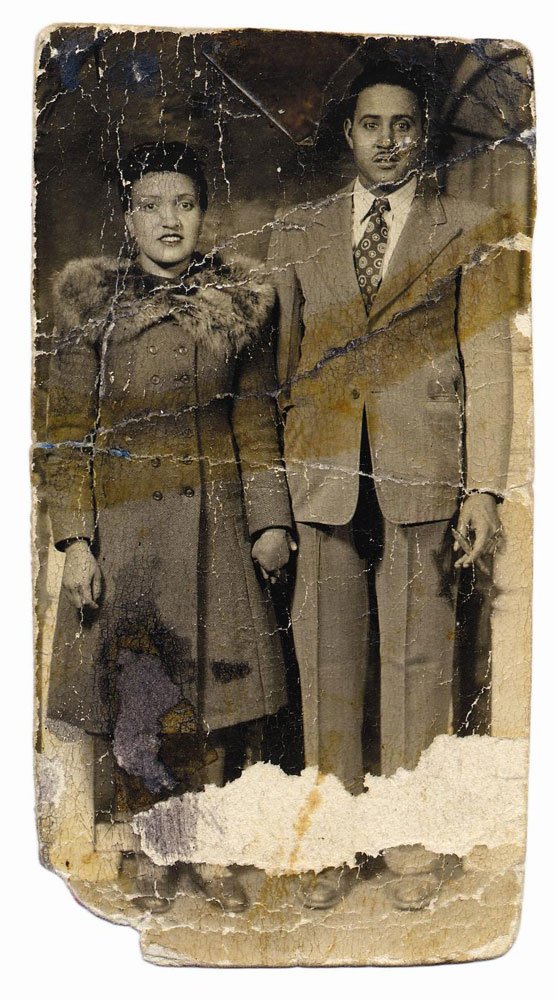
As I worked my way through graduate school studying writing, I became fixated on the idea of someday telling Henrietta’s story. At one point I even called directory assistance in Baltimore looking for Henrietta’s husband, David Lacks, but he wasn’t listed. I had the idea that I’d write a book that was a biography of both the cells and the woman they came from—someone’s daughter, wife, and mother.