Receive emails about upcoming NOVA programs and related content, as well as featured reporting about current events through a science lens.
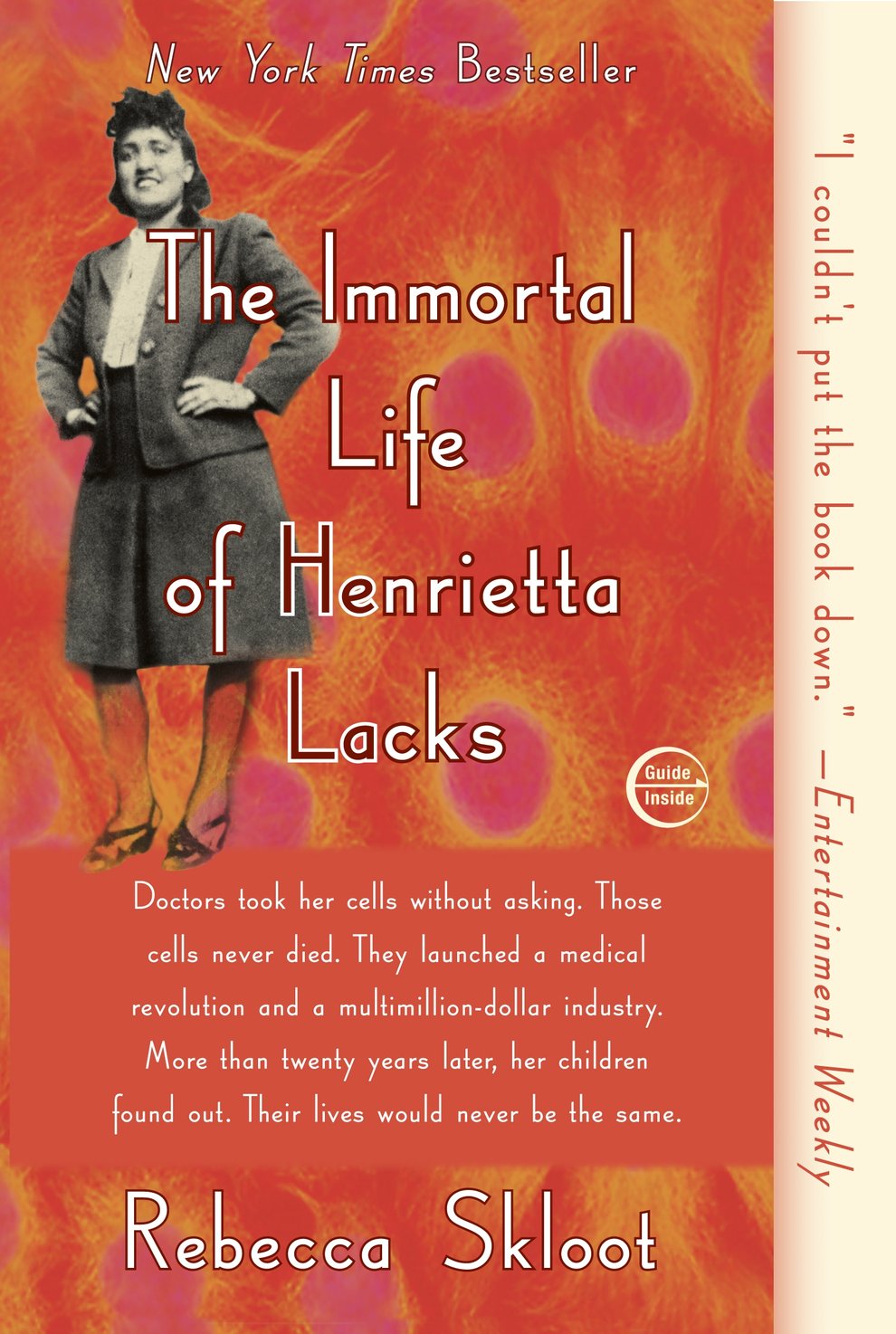
This is part three of an excerpt from Rebecca Skloot’s bestselling book,
THE IMMORTAL LIFE OF HENRIETTA LACKS.
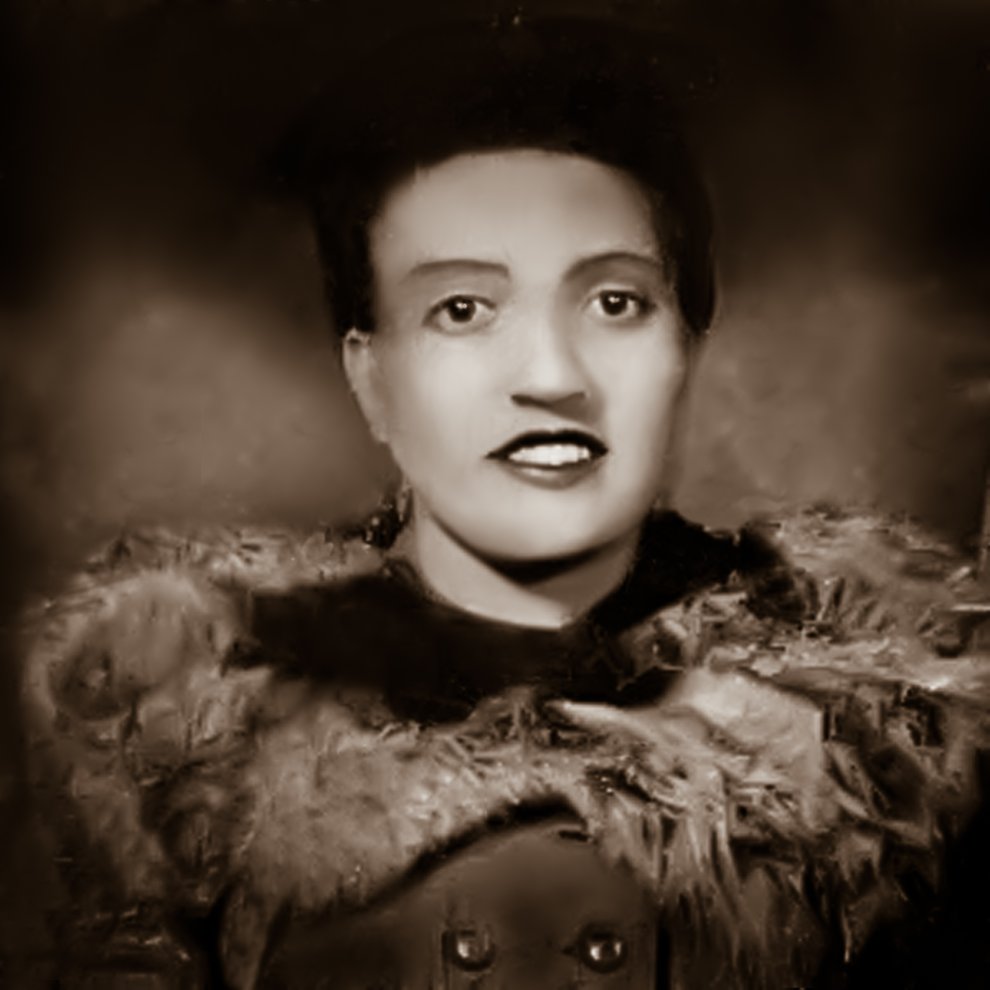
The book tells the story of a poor black tobacco farmer whose cells—taken without her knowledge in 1951—became one of the most important tools in medicine, vital for developing the polio vaccine, cloning, gene mapping, in vitro fertilization, and more. Henrietta’s cells have been bought and sold by the billions, yet she remains virtually unknown, and her family can’t afford health insurance.
“How else do you explain why your science teacher knew her real name when everyone else called her Helen Lane?” Deborah would say. “She was trying to get your attention.” This thinking would apply to everything in my life: when I married while writing this book, it was because Henrietta wanted someone to take care of me while I worked. When I divorced, it was because she’d decided he was getting in the way of the book. When an editor who insisted I take the Lacks family out of the book was injured in a mysterious accident, Deborah said that’s what happens when you piss Henrietta off.
The Lackses challenged everything I thought I knew about faith, science, journalism, and race. Ultimately, this book is the result. It’s not only the story of HeLa cells and Henrietta Lacks, but of Henrietta’s family—particularly Deborah—and their lifelong struggle to make peace with the existence of those cells, and the science that made them possible.