Watch Benjamin Franklin
Official Trailer
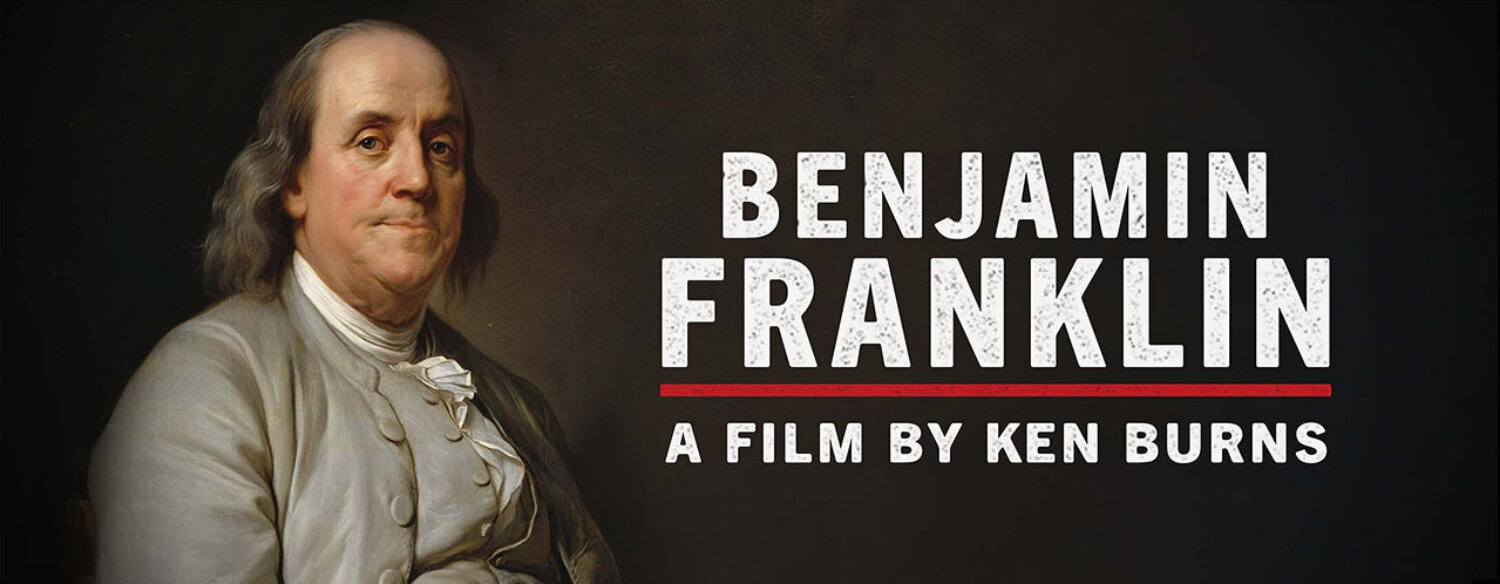
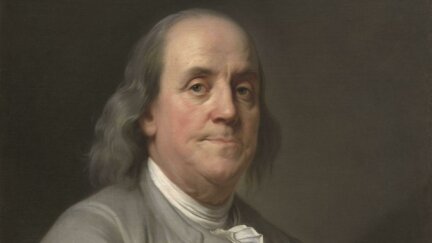
Ken Burns’s four-hour documentary, Benjamin Franklin, explores the revolutionary life of one of the 18th century’s most consequential figures, whose work and words unlocked the mystery of electricity and helped create the United States.
Preview
31s
Preview
Official Trailer
31s
Ken Burns’s four-hour documentary, Benjamin Franklin, explores the revolutionary life of one of the 18th century’s most consequential figures, whose work and words unlocked the mystery of electricity and helped create the United States.
Full Length
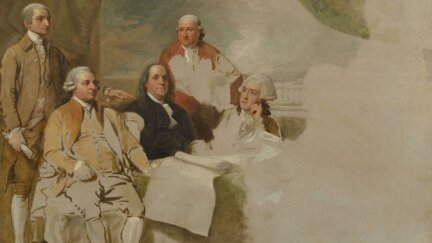
“Join or Die” (1706-1774)
115m 7s
Leaving behind his Boston childhood, Benjamin Franklin reinvents himself in Philadelphia where he builds a printing empire and a new life with his wife, Deborah. Turning to science, Franklin's lightning rod and experiments in electricity earn him worldwide fame. After entering politics, he spends years in London trying to keep Britain and America together as his own family starts to come apart.
Full Length
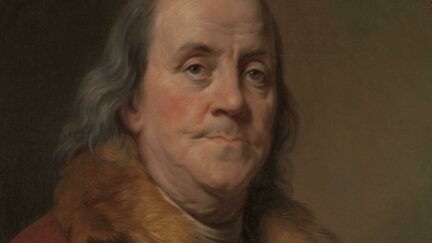
“An American” (1775-1790)
114m 39s
Benjamin Franklin leaves London and returns to wartime Philadelphia where he joins Congress and helps Thomas Jefferson craft the Declaration of Independence. In Paris, he wins French support for the American Revolution then negotiates a peace treaty with Britain. He spends his last years in the new United States, working on the Constitution and unsuccessfully promoting the abolition of slavery.
Clip
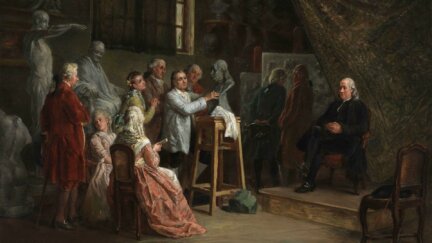
Exploring Benjamin Franklin
2m 2s
Get an inside look from Ken Burns and those featured in the film on why they chose to explore the life of Benjamin Franklin.
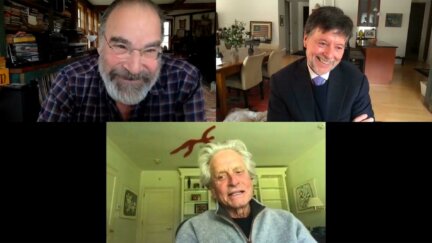
Full Length
Mandy Patinkin and Michael Douglas
25m 27s
Ken Burns speaks with Mandy Patinkin and Michael Douglas to discuss what it's like to take on their roles as founding father Benjamin Franklin.
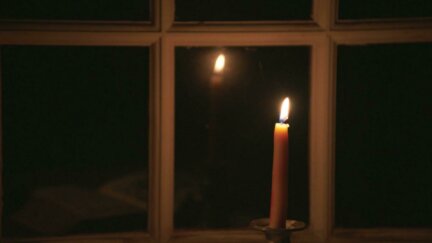
Clip
Benjamin Franklin’s Theory of Colds
3m 3s
Traveling together on Congressional business, Benjamin Franklin and John Adams stopped for the night at a wayside inn that only had one bed available. They decided to share the room and argued about whether or not to close the window until Adams fell asleep. This humorous scene contains bonus material from BENJAMIN FRANKLIN not in the final film.
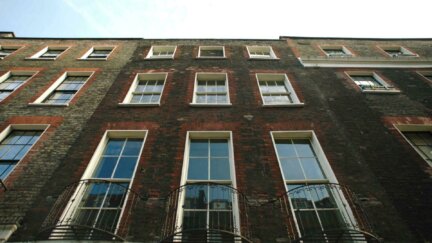
Clip
Benjamin Franklin House in London
5m 15s
Though he also lived in Boston, Philadelphia, and Paris, Franklin’s only surviving residence is Benjamin Franklin House on Craven Street in central London. Márcia Balisciano, the director of the Benjamin Franklin House museum, talks about the building’s history from Franklin’s time to ongoing conservation efforts in this bonus scene from BENJAMIN FRANKLIN with material not in the final film.
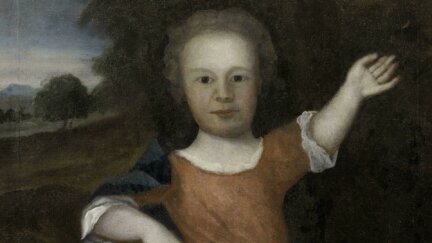
Clip
Benjamin Franklin and Inoculation
6m 9s
An African slave in Boston, Onesimus, introduced Cotton Mather to the concept of inoculation, which meant fewer deaths in a smallpox epidemic. Franklin was an early proponent of inoculation but when smallpox struck Philadelphia he and Deborah delayed inoculating their son. Franky contracted smallpox and died. This extended scene from BENJAMIN FRANKLIN includes bonus material not in the final film.
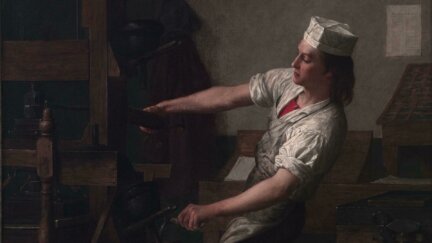
Full Length
Franklin and Writing
61m 26s
Filmmakers and special guests explore Franklin's writing. "Franklin and Writing" is presented by GBH, Benjamin Franklin Institute of Technology, and The Boston Globe. Featuring Ken Burns; Christopher Brown, Professor of History, Columbia University; and Jane Kamensky, Professor of History, Harvard University. Moderated by Bina Venkataraman, Editor-at-Large, The Boston Globe.

Full Length
Franklin and Innovation
59m 3s
Filmmakers and special guests explore Franklin's innovations. "Franklin and Innovation" is presented by The WNET Group and Fast Company and Inc. Featuring Ken Burns; Walter Isaacson, author of "Benjamin Franklin: An American Life;" and Stacy Schiff, author of "A Great Improvisation: Franklin, France, and the Birth of America." Moderated by Stephanie Mehta, Chief Content Officer, Mansueto.
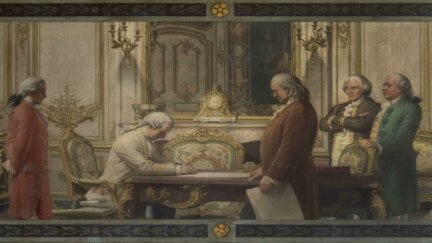
Full Length
Benjamin Franklin and American Diplomacy
56m 5s
Filmmakers and special guests explore Franklin and diplomacy. This discussion is presented by WETA and Georgetown University. Production funding was provided by The Better Angels Society. Featuring Ken Burns; Former Secretary of State Condoleezza Rice; and Nicholas Burns, Ambassador to the People’s Republic of China. Moderated by Judy Woodruff, PBS NewsHour.
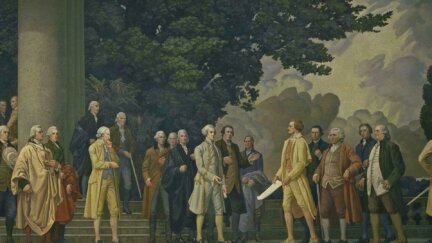
Full Length
Franklin and Revolution
75m 12s
Filmmakers and special guests explore Franklin and revolution. "Franklin and Revolution" is presented by WHYY. Featuring Ken Burns; Walter Isaacson, author of "Benjamin Franklin: An American Life;" and Erica Dunbar, Professor of History, Rutgers University. Moderated by Marty Moss-Coane (she/her), Host and Executive Producer of "Radio Times" on WHYY.
- Prev
- 1
- 2
- 3
- Next
About the Film
Ken Burns's two-part, four-hour documentary, Benjamin Franklin, explores the revolutionary life of one of the 18th century's most consequential and compelling personalities, whose work and words unlocked the mystery of electricity and helped create the United States. Franklin's 84 years (1706-1790) spanned an epoch of momentous change in science, technology, literature, politics, and government — fields he himself advanced through a lifelong commitment to societal and self-improvement.
Image Gallery