Hispanic and Latino Heritage Month runs from September 15 to October 15 and it is a great time to learn more about the diversity of Hispanic and Latina/e/o/x experiences and cultures. In 2020, the U.S. Hispanic population was an estimated 62 million out of the total U.S. population of 331.4 million.
We know that just one descriptor can hardly capture the spirit and cultures of so many people who descend from a vast geography that includes present-day Southwestern U.S. states to the southern most tip of South America, and nearly every present-day country and island in between. This is why you’ll see many different ways in which people describe themselves and their heritage. You’ll see the terms Latina, Latino, and their non-gendered versions Latine and Latinx. You might also see people identify as Hispanic, Chicano, Tejano, Taino, Isleños, Boricua, Afro-Latino, in addition to the many more terms used for people who have families and ancestors in the 22 nations and territories that comprise Latin America.
Hear and see an array of voices and stories in this collection of programs and documentaries. We hope you see yourself represented.
New Documentaries This Hispanic Heritage Month
39th Hispanic Heritage Awards | Premiering October 2nd, 2026
ASCO: Without Permission | VOCES | Premiering October 2nd, 2026
American Pachuco: The Legend of Luis Valdez | American Masters | Premiering October 6th, 2026
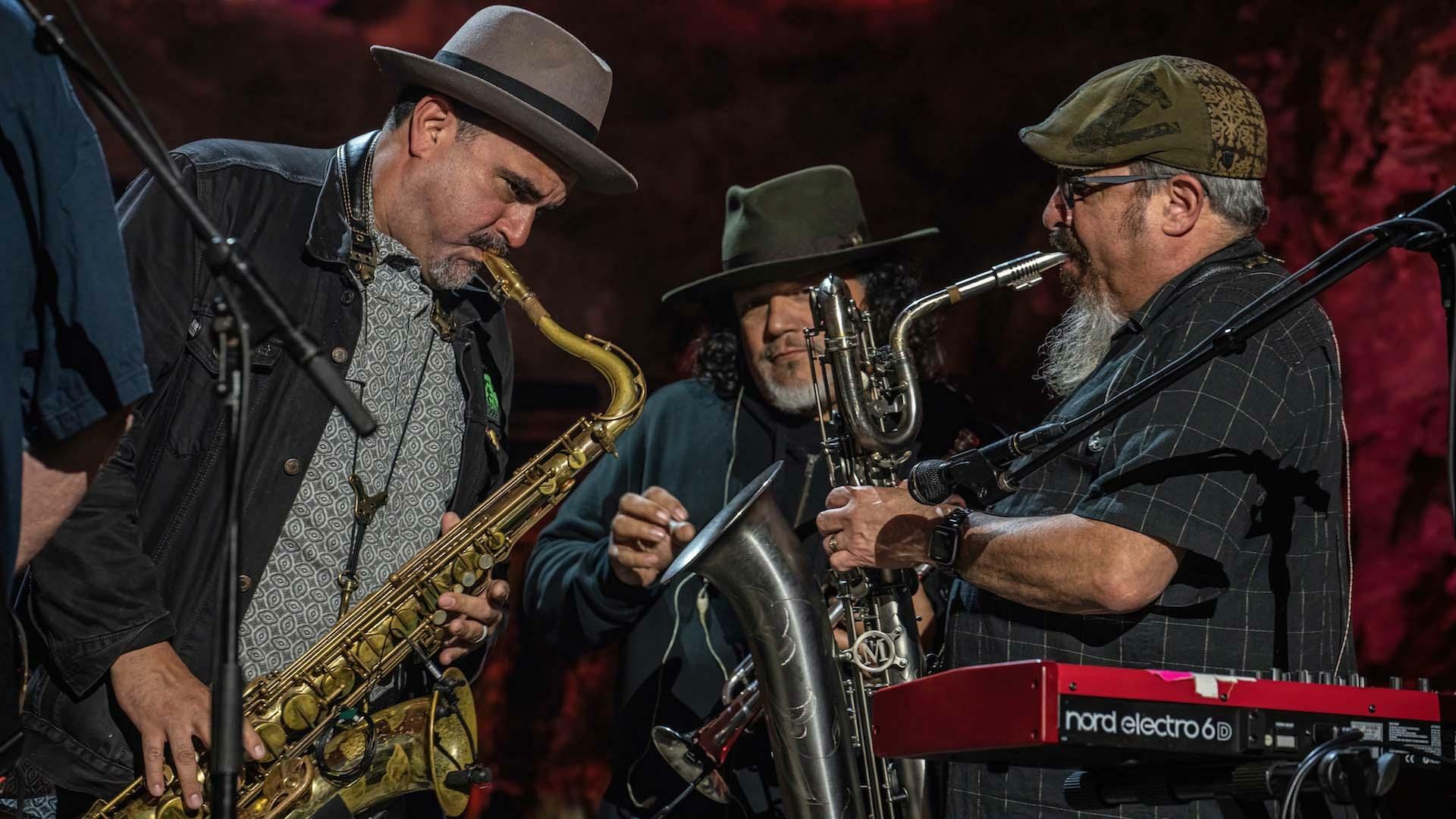
Paquito D’Rivera: From Carne y Frijol to Carnegie Hall | VOCES | Premiering October 12, 2026
Other Great Documentaries That Explore Diverse Latino Experiences
Julia Alvarez: A Life Reimagined | American Masters | Streaming with Passport
American Historia | VOCES | Streaming with Passport
Latino Vote 2024 | VOCES | Now Streaming
Mambo Legends: The Music Never Ends | VOCES | Streaming with Passport
Becoming Frida Kahlo | Streaming with Passport
A Thousand Pines | Independent Lens | Streaming with Passport
Bulls and Saints | POV | Streaming with Passport
Jovita Idar: Mexican American Activist and Journalist | American Masters | Now Streaming
Sabor Ártico: Latinos En Alaska | VOCES | Now Streaming
What is the difference between Hispanic and Latino? Why do we use both?
Let’s talk about Hispanic and Latino Heritage Month! Yes, we’ve been celebrating since 1988 when President Ronald Regan expanded President Lyndon Johnson’s Hispanic Heritage Week. But what does Hispanic even mean? What about Latino? Glad you asked.
When we say “Hispanic” we refer to people whose families come from Spanish-speaking countries in Latin America. Latin America is what we understand to be South America, Central America, Mexico, and the Caribbean islands where Romance languages (like Spanish, Portuguese, and French) are spoken. Your linguist and polyglot friends will explain to you that Romance languages are Latin-based, that they are evolutions of Latin, hence Latin America.
When we say “Latino” we refer to people whose ancestors are from one or more of the 22 countries and territories in Latin America. We use both Hispanic and Latino to be inclusive, because people from French and Portuguese-speaking countries like Brazil and Haiti are not Hispanic but share many cultural traditions and commonalities with Spanish-speaking Latin Americans.
This is how we understand these identifying words today. But language is a living and ever-changing concept. And we create new words and definitions to match how we choose to describe ourselves and find solidarity with one other. For example, we hear more and more people use the word “Latine” as a way to describe people of Latin American descent without designating any one gender to a group of people. It is another way to be more inclusive with our language.
We also know that all of this is complicated and that some people interpret these broad terms negatively and exclusionary because they leave out the many Indigenous communities throughout Latin America who have sustained their languages, cultures, and traditions despite colonization’s efforts to eliminate them. We understand that no one term could ever accurately capture the diversity within all of Latin America and the many traditions each community has carried with them throughout the diaspora.
It’s not perfect, but we do hope to find the words that celebrate and uplift the incredible history and bright future of the Latin American diaspora in the United States.

Support your local PBS station in our mission to inspire, enrich, and educate.
Explore Food and Recipes of Hispanic and Latino Cultures
Let’s be honest, food is one of the most delightful ways to learn about one’s culture. Food is love! Each ingredient is a note in the song that tells the history and movement of a people. The different flavors of the many Hispanic and Latino communities tell us about the environment, the pace of life, and the celebrations. And of course, there are dishes that will transport us home with just one bite. We could talk about food and how meaningful it is all day long so let us stop here and serve up some programs and documentaries that highlight the food and recipes of Hispanic and Latino cultures.
First, travel to the U.S.-Mexico border with James Beard Award-winning Pati Jinich to learn about the unique recipes (like Caesar salad!) created when diverse cultures meet. Then learn to make a mole de plátano with Guatemalan chef Amalia Moreno-Damgaard and Relish host Yia Vang.
Watch concerts that celebrate Hispanic and Latino heritage
Music and dance are integral to Latino cultures. It’s how people share stories, move with intention, and pass on the rhythms of life to future generations. These concerts show different styles of music and a variety of musical artists. Press play and enjoy the rhythms of life.
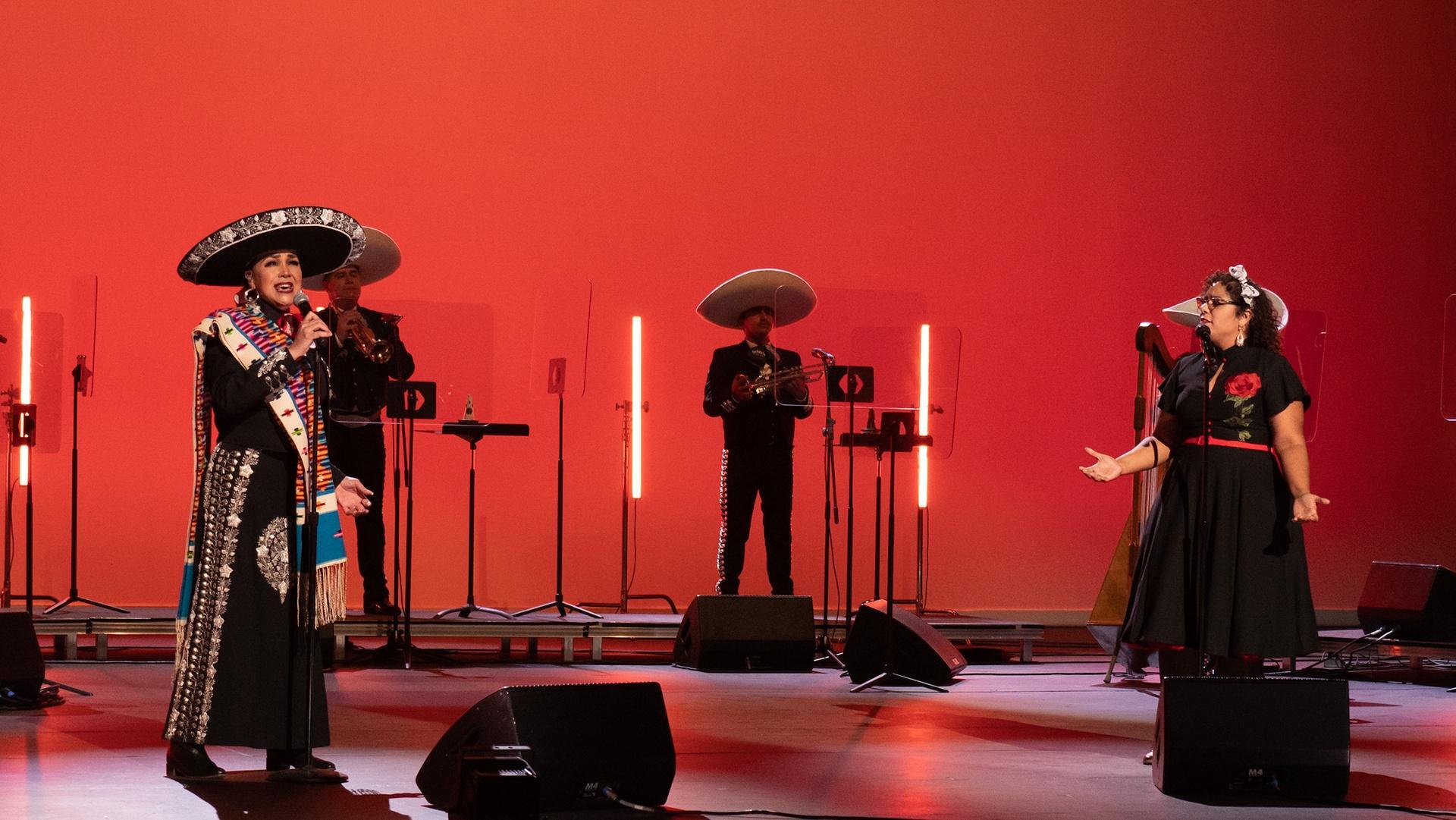
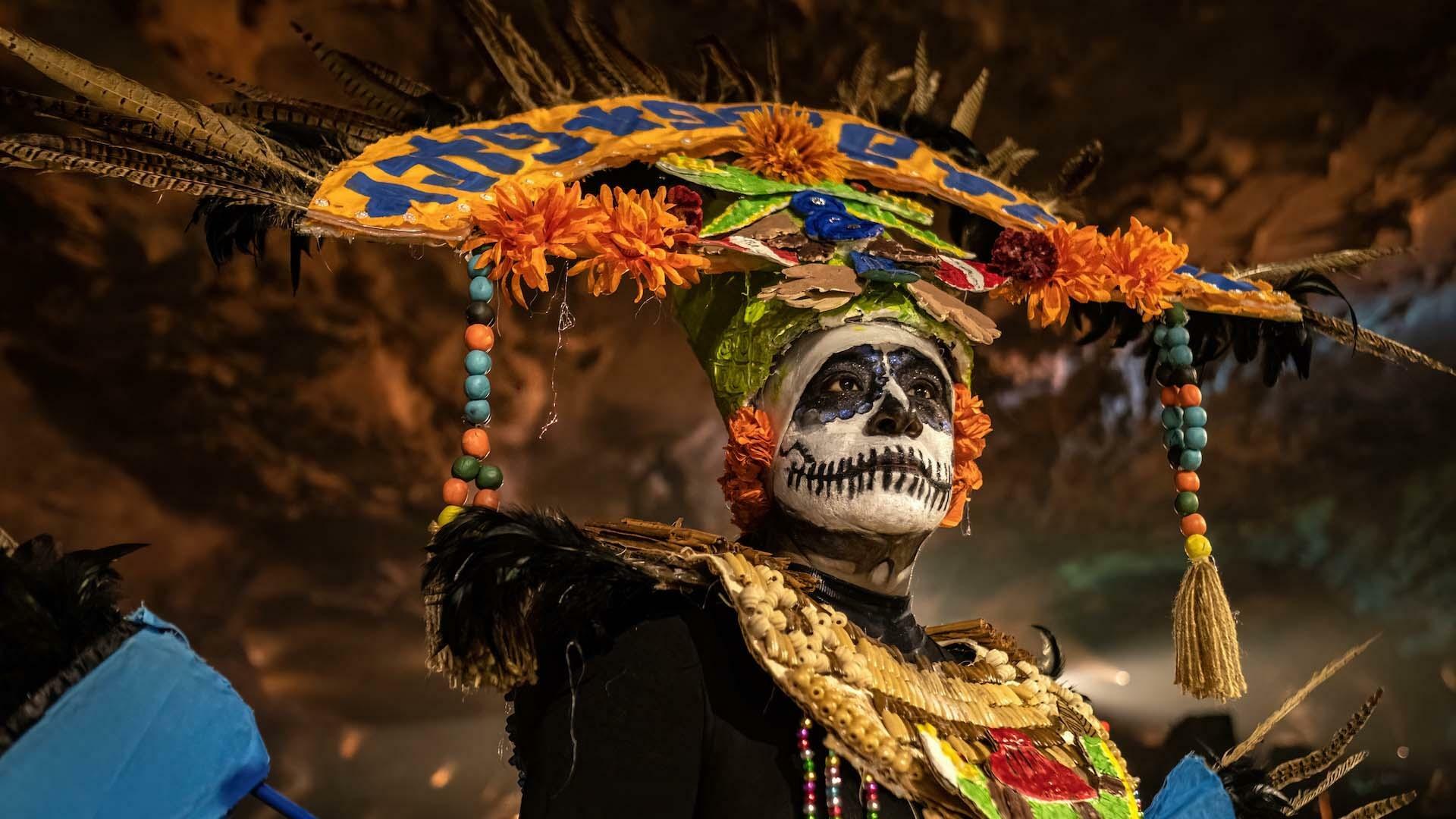
Take a Dance Break: Dances of the Latino Diaspora
Name a dance step that originates from Latin America. We’ll go first: salsa. And bomba. And tango. And bachata. And rumba. Son. Quebradita. Folclorico. And we could go on and on. Dance is a way of sharing culture and stories. The KQED series If Cities Could Dance has featured the many communities across the nation telling their stories through dance.
Profiles of Latinos and Latinas in STEM
Watch documentaries about just two of the many notable STEM pioneers in U.S. history: Jose Hernandez and Ynés Mexía. Hernandez (born August 7, 1962) grew up in a family of migrant farmworkers in California’s Central Valley. He went on to study electrical engineering and then fulfilled a life-long dream of becoming NASA astronaut. Mexía (May 24, 1870 - July 12, 1938) was a botanist and early environmentalist. She was an incredibly prolific plant collector and is credited with identifying 500 species of plants, of which 50 are named in her honor.
Latinos Are Essential
In the series Latinos Are Essential, we meet Latinos from all over the country who helped their communities through the COVID-19 pandemic. You can also stream the whole series on the PBS app.

The best of PBS, straight to your inbox.
Be the first to know about what to watch, exclusive previews, and updates from PBS.