Domestic Politics
George H. W. Bush |
Barbara Bush |
The Bush Family |
Domestic Politics |
Election of 1988
The Persian Gulf War |
Election of 1992
The election of 1988 gave George H.W. Bush fifty-three percent of the popular vote. However, Democrats controlled both houses of Congress for the duration of Bush's presidency. Faced with this obstacle, the Bush administration adopted in the words of Chief of Staff John Sununu, a "limited agenda" policy on the domestic front.
Vice President George H.W. Bush visits a McDonald’s in Nashua, New Hampshire, Feb. 15, 1988.George Bush Presidential Library and Museum
Cleaning up the Exxon Valdez oil spill, Prince William Sound, Alaska.EXXON VALDEZ Oil Spill Trustee Council (NOAA)
President George H.W. Bush signs the Clean Air Act Amendments into law, Nov. 15, 1990.George Bush Presidential Library and Museum
President George H.W. Bush signs the Americans With Disabilities Act in the Rose Garden of the White House, July 26, 1990.National Archives and Records Administration (NARA)
The Limited Agenda
Bush's critics charged that the president largely ignored domestic politics, favoring an international agenda instead. In the re-election campaign of 1992 the Bush team could offer little to prove them wrong. When the Los Angeles riots broke out in April of 1992, it surfaced that Bush, famous for his frequent use of his rolodex to call international leaders, had never called the mayors of America's three largest cities. Bush, who campaigned in 1988 to be the education president, did not introduce "America 2000," his educational legislative agenda, until 1991. And his two most successful domestic initiatives, the Americans with Disabilities Act and the Clean Air Act Amendments of 1990, were anathema to many conservatives. The most damaging criticism of Bush's domestic policy, however, was the widespread belief that because Bush did not seem to do anything to fix the ailing economy, he did not care about what mattered most to most Americans -- their pocketbooks.
The Environmental President
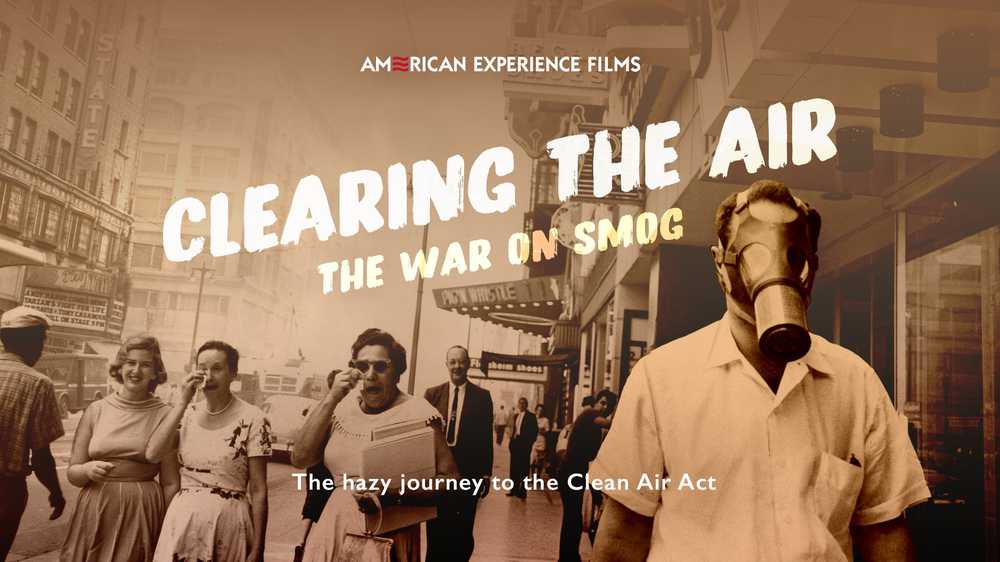
The New York Times referred to the passage of the Clean Air Act Amendments of 1990 as the single most distinguished policy achievement of the Bush administration. The original Clean Air Act had been passed in 1970 under Richard Nixon and renewed in 1977. Though the Reagan administration failed to renew the legislation, Bush presented its passage as a campaign issue in 1988. He ran on a promise of being the "environmental president" and signaled his seriousness with an appointment of the first professional conservationist to head the Environmental Protection Agency.
The Valdez Spill
In his first year in office, President Bush announced his version of the Clean Air Act. His support transformed the atmosphere on Capitol Hill and made passage of the bill possible. The initiative's success was also inadvertently aided by the Exxon Valdez disaster. The sight of millions of gallons of oil spilling into the ocean off the coast of Alaska in March 1989 created more favorable conditions among legislators and the American people for the passage of environmental legislation.
Regulating Pollution
Central to the Clean Air Act Amendments of 1990 were limits on urban air pollution (smog), toxic air emissions and acid rain. The final bill included such innovative requirements such as reformulated gasoline requirements and emissions trading, which is still used today.
Helping Americans With Disabilities
Though the Bush administration did not originate the legislation that would hit the books as the Americans with Disabilities Act, Bush became a strong advocate for the bill introduced by his former rival Bob Dole. Some have suggested that his son Neil's dyslexia made Bush more sensitive to the discriminatory practices against people with all degrees of disabilities. Despite the costs to the federal government and complaints from businesses that compliance with the legislation would be expensive, Bush's support of the bill did not waver, and he signed it into law on July 26, 1990.
George H. W. Bush | Barbara Bush | The Bush Family | Domestic Politics | Election of 1988 | The Persian Gulf War | Election of 1992