Visit Your Local PBS Station PBS Home PBS Home Programs A-Z TV Schedules Watch Video Support PBS Shop PBS Search PBS
 
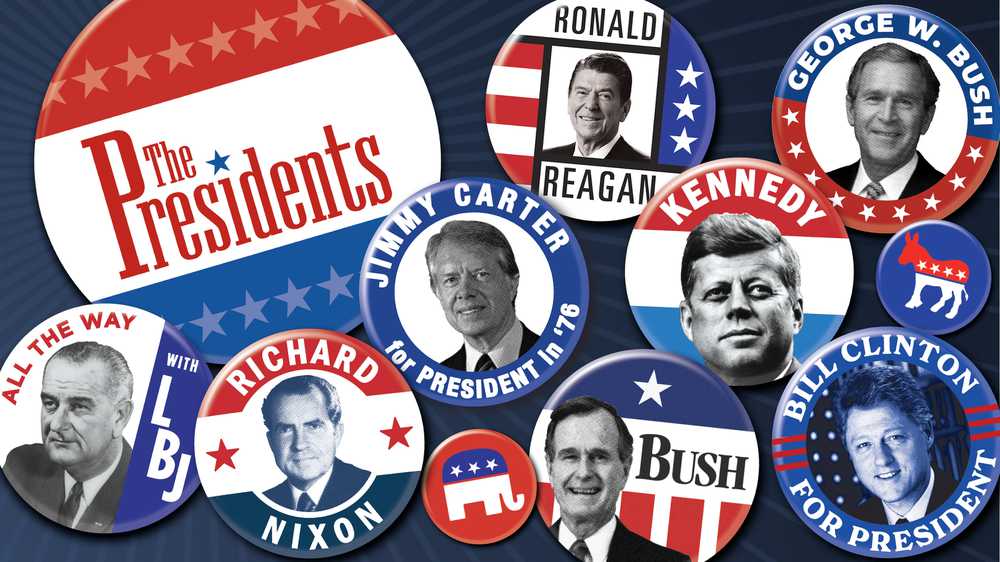
The Presidents Connect today's election issues with the past
filmmore
Harry S. Truman
Selected President
Harry S. Truman
Overview
Early Career
Domestic Politics
Foreign Affairs
Presidential Politics
Legacy

Vote on the Issues
Primary Sources

Teacher's Guide
The Film & More

Purchase Video/DVD
Select a President


Historian Alonzo Hamby on Truman and Civil Rights

Play RealAudio
Requires the RealAudio Player. Download the player from Real.com.

There was a lot in Truman's background that mitigated against support of civil rights. He had, after all, come from a family that was basically Southern. He had ancestors who had been slaveholders. It soon was a pretty sure bet also that privately he believed that most blacks ere inferior to most whites, and I think it's fair to say that neither he nor Bess would have been pleased if Margaret had brought Sidney Poitier home for dinner.

But he also came from a background that said, everyone deserved an equal chance in life. And once you had begun to define blacks as part of the body politic, then you had to extend that equal chance to them. And he acted on this intuition, which ultimately was far more important to him than whatever he felt about racial superiority or inferiority.

When Harry Truman became president, civil rights were just beginning to develop as a major national issue. Several things had happened. There'd been a big movement of the black vote into the Democratic Party in the 1930s. This is a constituency that Truman could not ignore, and it was a constituency that he needed to appeal to because they'd come into the party because of Roosevelt and the New Deal. There was no guarantee that blacks were going to vote for any Democratic candidate who followed Roosevelt. On the other hand, the Southern contingent in the party, of course, still operated in an atmosphere in which blacks were not even able to vote in one Southern state after another. Rigid segregation was taken for granted in every aspect of American life.

So there's a great conflict here and politically Truman has to choose as he is he going to go with the South? Which he has some emotional relationship to. Or is he going to go with the Northern liberals and the black constituency and the civil rights program they favor? There's no easy answer to this question for him, because he stands to make a significant proportion of the party mad at him whatever he does. The political advantages are by no means as clear as they might seem to be in retrospect. I think he decides he's going to do the right thing, and the right thing is to take the stand he does on civil rights.

Which is to, first of all, appoint a commission to study the issue. He does this in the fall of 1946. One of the reasons that he does it has been that there were numerous instances of violence against returning black veterans, some of them still in uniform. He clearly was horrified by this. He thought it was a very, very bad thing. The commission he appointed was stacked with liberals. It returns a report about a year later called "To Secure These Rights," which recommends a comprehensive civil rights program. After a little bit of hesitation, Truman, in early 1948, sends his comprehensive civil rights bill up to Capitol Hill. He also takes some other action. He gives the Justice Department the go-ahead to file supporting briefs in court cases with the NAACP.

To describe the Southern reaction, fury might be a tame word. Truman lost an enormous amount of support in the South. Feelings there were quite emotional, quite bitter, in a way that it's hard to understand today, in an era when Southern politics have become biracial and even someone like Strom Thurmond has black people on his staff, advising him.

What is maybe more intriguing about is that there are a number of indications that the civil rights program didn't go over terribly well in large segments of the North, which Truman really had to worry about. After all, there were a lot of white Northern Democrats were not enthusiastic about racial integration. And while there are other ways to explain Truman's decline in popularity in early 1948, I think it's fair to say that the civil rights program that he sent to Congress had something to do with his low Gallup Poll ratings that spring. The political payoff was by no means apparent.

Return to Interviews >>


Back to Top Back to Top Who We Are Schedule Archives Kids Teachers Contact Us Shop


Major funding provided by the National
Endowment for the Humanities and the Corporation for Public Broadcasting

NEH Corporation for Public Broadcasting


Any views, findings, conclusions, or recommendations expressed in this Web site do not necessarily represent those of the National Endowment for the Humanities.