CASE FILE: Killer Flu
THE SCENE: Armed Forces Institute of Pathology, Rockville, Maryland
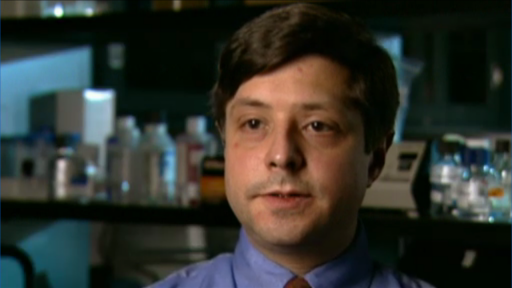
LEAD DETECTIVE: Jeffery Taubenberger, molecular pathologist
In 1918, a flu pandemic ripped through the global population with such speed and virulence that by the end of the following year an estimated 40 million people would be dead — four times the number of victims eventually claimed by the First World War. The flu’s impact was simultaneously felt in nearly every corner of the earth, from the battlefields of Europe and Northern Africa to remote Inuit villages in Alaska and the grasslands of New Zealand. The international medical community, lacking the expertise to deal with the virus (which it mistakenly believed to be a bacterium), found itself powerless to stop the contagion from spreading. Hospitals ran out of beds for their sick. Morgues spilled out onto the streets, the corpses stacked on the sidewalks like cordwood. And the war ensured that the cycle would continue. Troops from both sides of the conflict, dispatched back and forth across the globe, were serving as the unwitting carriers of a lethal disease. The carousel of death kept turning.
Where did this particular flu strain come from, and what made it so deadly? 85 years later, virologists and epidemiologists the world over are still hunting down the answers to those two critical questions. Their quest has been imbued with a sense of urgency; modern health experts are bracing themselves for the emergence of a flu strain similar to 1918’s, with many suggesting a similar pandemic will occur within the next decade. The recent SARS outbreak showed the ability of the World Health Organization to promulgate widespread awareness of a deadly virus, but in the words of British virologist John Oxford, SARS was no flu. “If it was influenza A,” he says, “we would [have been] dusting down our pandemic plans. One day, one awful day, those plans will have to be brought out.”
The cornerstone of those plans will likely be the findings of scientists like American pathologist Jeffery Taubenberger. In 1997, in the U.S. Armed Forces laboratory where he works, Taubenberger discovered what virologists had been coveting for decades — lung tissue from a 1918 flu victim that contained fragments of the undamaged virus. For the past six years, Taubenberger has worked to map the virus’ genetic code one gene at a time in an effort to unlock the secret of how it killed millions. He even recently introduced some of the 1918 flu’s genes into present-day live virus and injected the modified strain into lung tissue cells to better study the impact it has on its host. “If we can shed light on why the 1918 virus was so lethal and can understand the genetic basis of that, that information can be applied to the emergence of new influenza strains,” Taubenberger says. “I think it’s really crucial that we do that.” But will Taubenberger and his colleagues crack the entire code in time?