|
|
Voyage of the Courtesans
Posted: June 18th, 2008
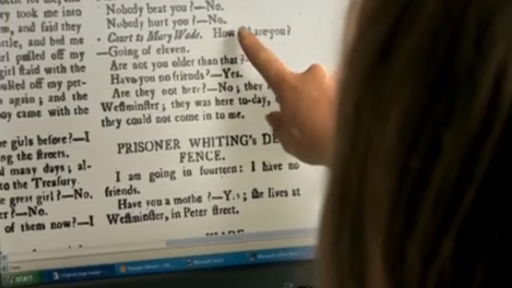
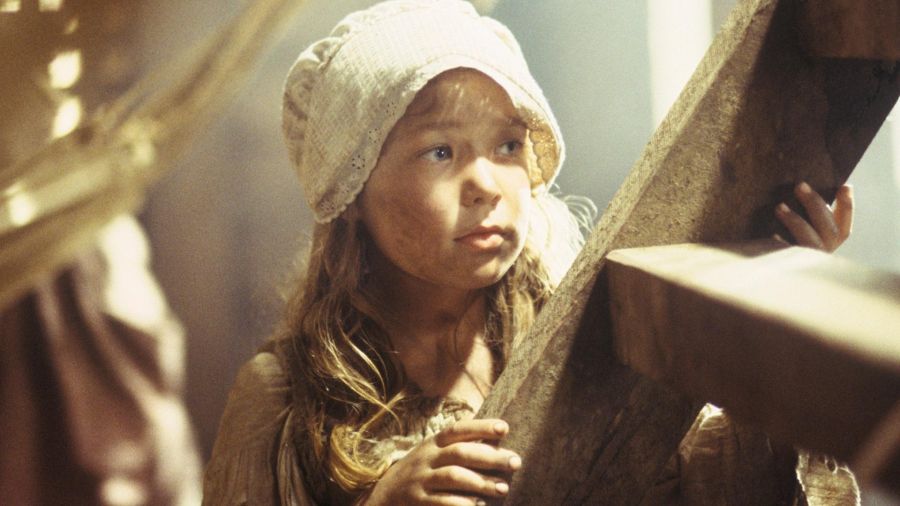
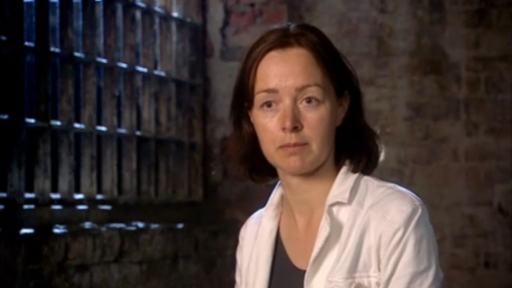
In 1789, more than 200 female thieves, prostitutes, and con artists were rounded up from London’s most notorious prisons and shipped off to an Australian penal colony aboard a leaky vessel named the Lady Juliana. For the English government, the convicts had two uses: to prevent the starving and isolated male colonists from engaging in “gross irregularities,” and to act as breeding stock for the troubled outpost. But once aboard, the wily women turned their banishment into opportunity, transforming their ship into a rowdy floating brothel. By the time they reached Sydney Cove, they were fit and healthy, and some had even amassed enough money to support themselves. Instead of an assured life of servitude, they took control, and — along with their offspring — helped guarantee a new world’s future. Using intensive research and long-hidden historical records, SECRETS OF THE DEAD: “Voyage of the Courtesans” intertwines current investigations with actual details of the voyage of the Lady Juliana. Three 21st-century Australian women — each of their great-great-great-great-great grandmothers had been a convict in Georgian England — discover the startling story of their ancestors. Helen Phillips, a senior Anglican minister for the diocese of Tasmania, is a descendent of a prostitute named Rachel Hoddy. Delia Dray, a sheep farmer and senior government horticulturalist, traces her lineage back to Ann Marsh, who was convicted of stealing a bushel of wheat. Meagen Benson, a successful bank communications manager, descends from destitute street urchin Mary Wade, who was sentenced for stealing a child’s clothes in a public place. How did Rachel Hoddy, Ann Marsh, and Mary Wade find themselves on a prison ship banished to the ends of the earth? What became of them once they reached Sydney Cove? Providing information from archived documents, detailed records and excerpts from the memoir of Lady Juliana steward John Nicol, and historians’ accounts, SECRETS OF THE DEAD: “Voyage of the Courtesans” follows the modern-day women as they return to the scenes of their ancestors’ crimes in London and discover how these derelict convicts became the founding mothers of Australia. |
rita and debra g, you have to look at everything in its historical context. “The Floating Brothel” upon which Voyage of the Courtesans was based, was one of the many books I read while researching Star-Crossed (Knopf, 2006), the story of an 18th-century orphaned British teen who narrowly avoided becoming one of these women.
[…] in PBS’ series, Secrets of the Dead, Voyage of the Courtesans , based on Siân Rees’ book The Floating Brothel, tells thefascinating story of early […]
While prostitution is by no means a career that a parent would wish upon their child, I feel that this was the safest option available to these women. Had they not agreed to prostitution they probably would have been raped and overall abused. Many of these women would have died on the journey to Australia. By becoming prostitutes these women allowed themselves to become in charge of their situation as much as they could. I know that this goes against a lot of people’s basic beliefs and morals, but I think that we need to ask ourselves what we would have done in the same situation. I think that we can all remember the news story of the man who chopped his own arm off when it became wedged in a crack away from the beaten trail. We can’t judge these women fairly, I believe, until we have been in a similar situation.
I also think that the overall story off how Australia was a penal colony is inspiring in itself. What was once a place where no ‘respectable’ person would go is now as much of a part of the ‘respectable’ world as any other country. When we think of Australia today we think of surfing, kangaroos, Crocodile Dundee, and the 2000 Olympics not convicts. I feel that this story of settlement makes Australia all the more unique.
I wonder how many countries and areas have been settled by women such as these. Times were hard, life was hideous in England then and it is the oldest trade in the world which many men were users. Excellent history lesson (I have so often wondered about Australia and its strange beginnings with the castoffs of society. Hope this is shown again, as I missed the episode.
While this story is interesting it is hardly encouraging. I use no feminist or religious beliefs to guide my opinion. These women were selling sex and its expected that we should look upon them honorably? Them and the men who sought their services should have been lynched.
Hear how Siân Rees researched her book The Floating Brothel and lent her knowledge of the women aboard the Lady Junilana to Secrets of the Dead.
Three women researching their geneology back to the Lady Juliana found that with just a name and a date, it was possible for them to trace the astounding details of the lives of their forebears.
Find out why 225 female thieves, prostitutes, con artists, and some five infants were rounded up from prisons in London and the English countryside to be shipped off to the failing Sydney Cove colony aboard the Lady Juliana.
In 1789, more than 200 female thieves, prostitutes, and con artists were shipped off to an Australian penal colony aboard the Lady Juliana. Onboard, The wily women turned their banishment into opportunity and helped guarantee a new world’s future.
Historians have long wondered about the mysterious circumstances surrounding his death, but now, art historian Antonio Forcellino believes he has pieced together evidence of a deep rift between the Church …
300 years after Blackbeard’s reign of terror on the seas, a marine archaeology team believe they have found his legendary sunken flagship, Queen Anne’s Revenge, off the North Carolina coast.
In 1910, an American doctor named Hawley Crippen was convicted in England of poisoning and dismembering his wife. The vicious murder—and execution that followed—made international headlines. But did the prosecutors …