SUMMARY
The Trump administration has rolled back support for many forms of clean energy. One exception is nuclear power. The president wants to quadruple U.S. nuclear capacity by 2050, and a new generation of advanced reactors in development could signal the dawn of a new nuclear age. Paul Solman reports for our series, Tipping Point.
View the transcript of the story.
NOTE: If you are short on time, watch the video and complete this See, Think, Wonder activity: What did you notice? What did the story make you think about? What would you want to learn more about?
News alternative: Check out recent segments from the News Hour, and choose the story you’re most interested in watching. You can make a Google doc copy of discussion questions that work for any of the stories here.
WARM-UP QUESTIONS
- How does the Trump administration plan to change nuclear power generation in the U.S. by 2050?
- When and why did Oak Ridge become associated with nuclear power?
- What are some of the reasons that nuclear power fell out of favor around the world?
- Why are Kairos nuclear plants different than past nuclear plants?
- Who is looking for new sources of inexpensive power for their businesses?
FOCUS QUESTIONS
- Why do you think the Trump administration is promoting nuclear energy but trying to block other kinds of alternative energy development?
- Do you think nuclear power is likely to replace other kinds of power generation? Why or why not?
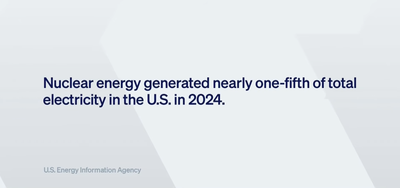
Media literacy: This News Hour segment includes the following infographic. Why do you think it's included? What other important information would you want to have to decide whether or not nuclear power is going to be a more important energy source in the future?
WHAT STUDENTS CAN DO
How is the power you use in your own community generated? You can use this Power Profiler tool from the Environmental Protection Agency to find out.
- First, visit the site and type in your zip code in the field on the left.
- You'll notice that each zip code is tied to what is called a power "subregion." This is because power that is generated is shared across communities and state borders. Which subregion are you in?
- Next, compare your region's energy sources to the national average. What stands out to you? Is any form of power generation significantly more or less than the national average? Why do you think that is?
- Finally, as a class, discuss — do you think your region might benefit from investing more in one of the power sources listed? Why do you think so?
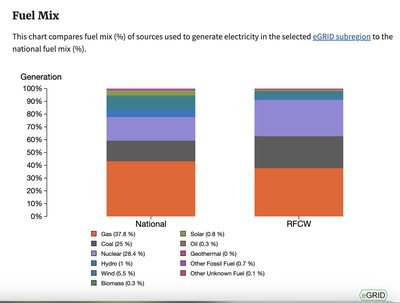
Screen capture from the EPA's Power Profile tool.
Sign up to receive our weekly newsletter with Daily News Lessons and community events.
To provide feedback on News Hour Classroom's resources, including this lesson, click here.