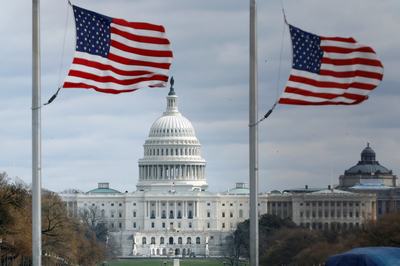
As the United States commemorates the 250th anniversary of its founding, America 250: a nation in progress invites students to explore the events and ideas that have shaped the nation over the past two and a half centuries. Through highlighting stories that celebrate America's achievements while examining its ongoing challenges, this student-led series encourages thoughtful reflection on the country's history, values, and future.
What to know — Freedom Plane national tour
Video length: 1:06
- To commemorate the 250th anniversary of American independence, a select collection of founding-era documents are touring the country as part of the Freedom Plane National Tour. Organized by the National Archives Foundation, the tour brings these historic records to nine cities, giving the public an opportunity to engage with key documents from the nation's founding.

- The documents include:
- An original engraving of the Declaration of Independence
- Articles of Association, declaring a boycott against British goods
- Oaths of Allegiance, pledging loyalty to the new republic, not the king
- Treaty of Paris, which ended the Revolutionary War
- David Brearley’s secret printing of the Constitution
- State delegation votes approving the Constitution
- Senate markup of the Bill of Rights
Why it matters
These founding-era documents are traveling beyond Washington, D.C., for the first time, giving Americans across the country a rare opportunity to see them firsthand. By making these historic records more accessible, the Freedom Plane National Tour invites visitors to explore the nation's founding principles and reflect on their enduring significance.
Discussion questions
- Which of the founding documents on tour do you think has had the greatest impact on the United States? Why?
- What questions would you ask a historian or archivist about one of the documents on display?
Additional resources
Try America's 100 Docs, an activity from the National Archives Foundation, that lets you vote on your favorite primary source document from U.S. history!
What to know — World War II Memorial
Video length: 1:34
- The United States joined World War II in 1941 in retaliation after Japan's attack on the naval base Pearl Harbor. The war ended in 1945 after Japan surrendered, resulting in a victory for American forces.
- In 2004, the World War II Memorial was created to honor the 16 million Americans who served during the war. It remembers the lives of over 400,000 American service members who were lost but not forgotten.

Why it matters
World War II demonstrated how the founding ideals articulated in 1776, including liberty and equality, continued to be tested and defended in the 20th century with implications to today.
Discussion questions
- How did World War II shape the country we live in today?
- Which values do you think were most important to Americans during World War II?
Produced by Justin Vasquez, PBS News Hour Classroom's intern, and News Hour's Victoria Pasquantonio
Sign up to receive our weekly newsletter with Daily News Lessons and community events.
To provide feedback on News Hour Classroom's resources, including this lesson, click here.
What to know — National parks
Video length:
- The United States joined World War II in 1941 in retaliation after Japan's attack on the naval base Pearl Harbor. The war ended in 1945 after Japan surrendered, resulting in a victory for American forces.
- In 2004, the World War II Memorial was created to honor the 16 million Americans who served during the war. It remembers the lives of over 400,000 American service members who were lost but not forgotten.
Why it matters
Even with their diversity and wide appeal, the national park system is facing challenges. The current administration is moving key funds away from the parks and to expensive renovations in Washington D.C., threatening important conservation efforts. Without careful monitoring, the 330 million Americans that visit the parks each year could be facing very different sights.
Discussion questions
- Why are the national parks so vital to our landscape and environment? What would it mean to not have these resources, whether because they fall further into disarray or were never established in the first place?
- Pick a national park anywhere in the United States. What’s important about the site? Does it have any special conservation sites? Is it home to unique geological features? What stands out to you that’s important to keep protecting?
Produced by Alyssa Tinoco, PBS News Hour Classroom's intern, and News Hour's Victoria Pasquantonio
Sign up to receive our weekly newsletter with Daily News Lessons and community events.
To provide feedback on News Hour Classroom's resources, including this lesson, click here.