Support provided by:
Learn More
December 17, 2014
Share
In partnership with:

Alonza Thomas didn’t start out as a stickup kid.
He grew up in Bakersfield, a city in southern California, where he played football and looked out for his younger brother.
His mother, Janice, raised the boys on her own. She held down two jobs while she finished a college degree and aimed for a better life, one without welfare and food stamps. “The only way I could do that was to go to school,” she said. “But in the midst of that, I had to leave my kids a lot.”
At 15, Alonza had his first, and only, run-in with the law.
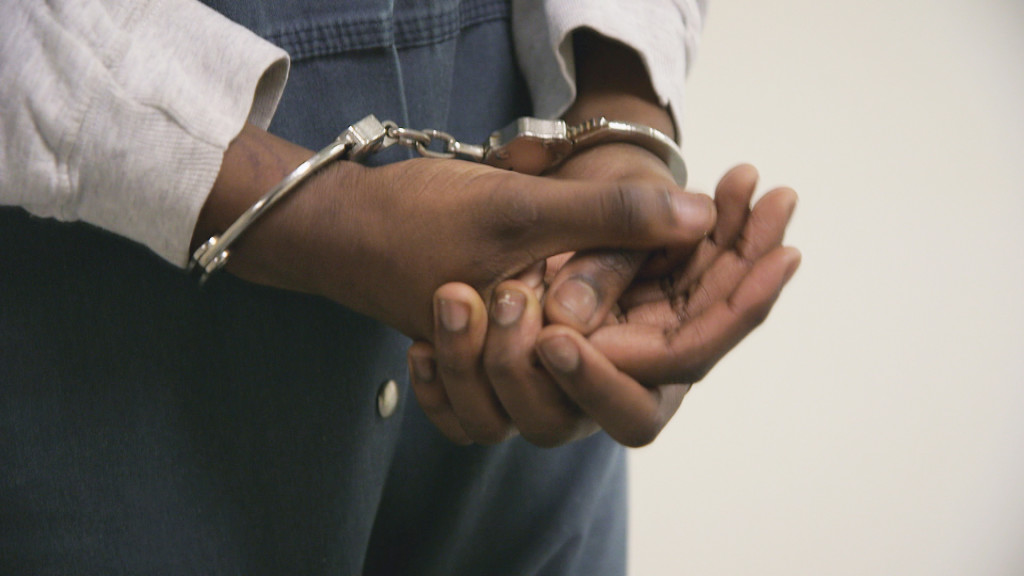
Two officers responded to the call.
It was early in the evening, not yet 8 p.m. They took Alonza to the hospital to be treated for his injuries and called his mother.

Alonza was charged with three counts of robbery in the second degree — one count for each person in the store at the time, the owner and two clerks — and one count of assault with a firearm.

The robbery charges alone would have sent him away for several years. But with the additional charge of assault with a firearm, Alonza faced as many as four decades in prison. To lower his sentence, he pleaded guilty.

Alonza was sentenced to serve 13 years in an adult prison. He had only recently turned 16.
Alonza was among the first in his county to be prosecuted under California’s tough new law against juvenile offenders.
The law, Proposition 21, made it easier for prosecutors to try young people as adults if they committed certain felonies.
California’s law was part of a wave of legislation passed by states nationwide, beginning in the 1990s, to get tough on juvenile offenders. Juvenile crime had been rising for nearly a decade, and criminologists predicted it would only get worse, spurred by so-called “superpredators,” young people who attack without remorse. States wanted to be prepared.
Alonza was 16 years old when he was incarcerated.
By the time he was sent to the state prison in Tehachapi in 2001, the anticipated spike in crime by juvenile superpredators hadn’t happened. Juvenile arrests had been on the decline since 1997, and the superpredator scare was debunked as a myth.
But by then, 45 states had passed laws to make it easier to prosecute youths in the adult criminal justice system.
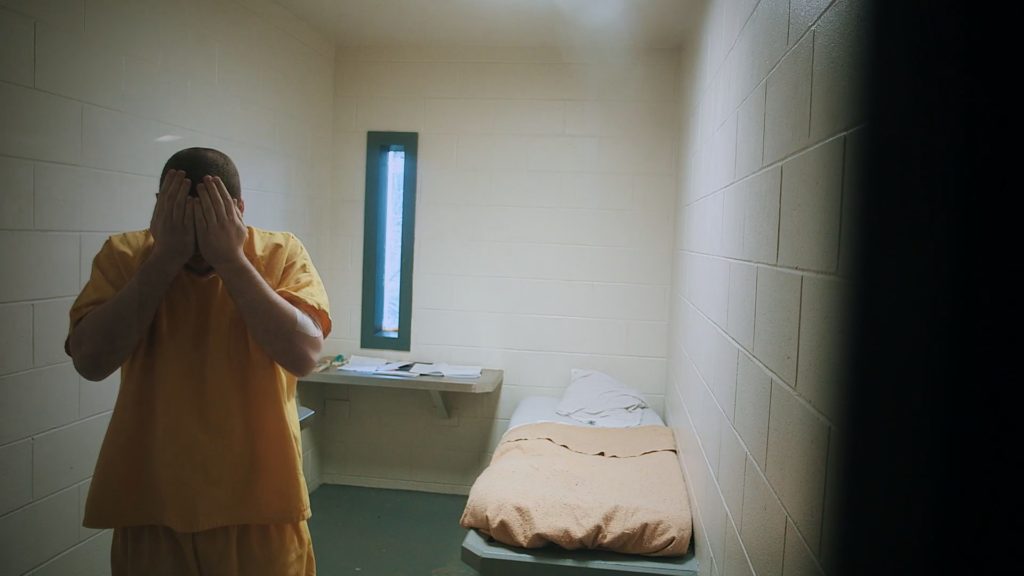
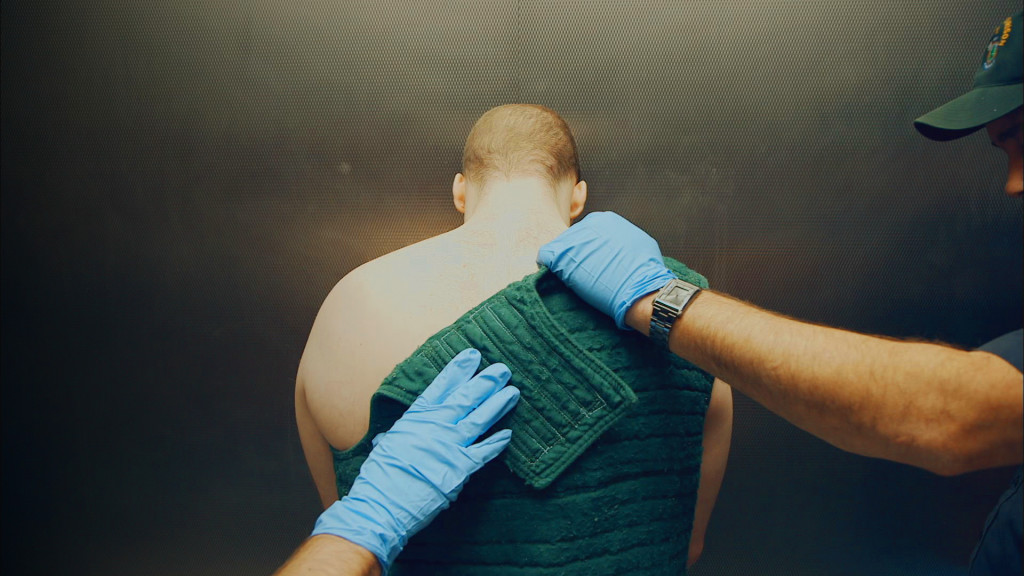
Suicide Watch
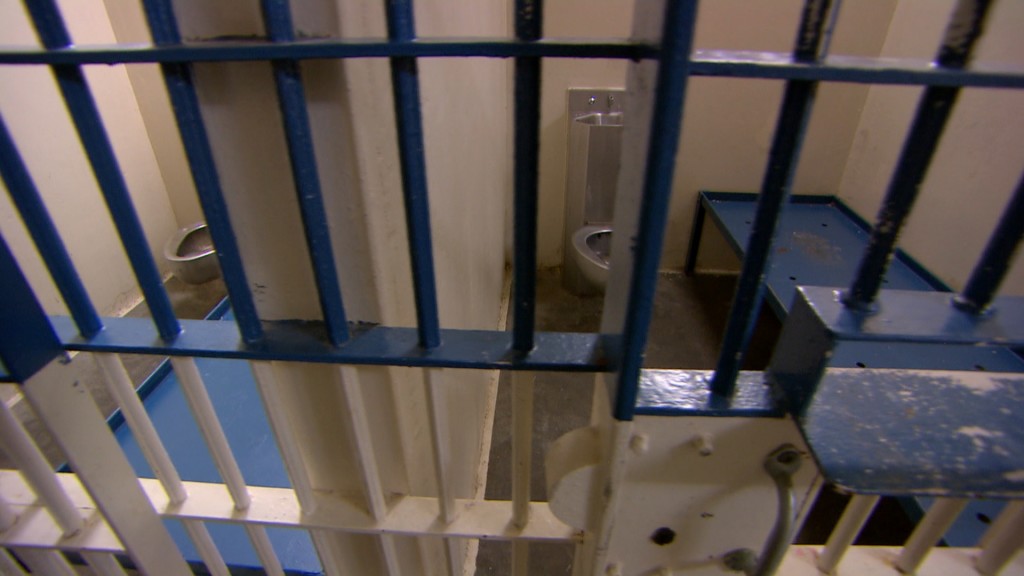
In the state prison of Tehachapi, young offenders were housed in a separate area, away from the men in the general population. But they were still vulnerable to other threats, including suicide. Young people in adult facilities are 36 times more likely to take their own lives than those in juvenile facilities.
Among the youths on suicide watch at Tehapachi was one young man Alonza knew. His nickname was Black Ghost.
While Alonza was locked up, the California prison system was being monitored by federal courts.
The state had been cited in particular for cycling inmates, particularly those with mental illnesses, through isolation, into treatment, and back into confinement.
In April 2014, federal judge Lawrence Karlton ruled that the California system was subjecting mentally ill inmates to excessive punishment, blasting them with pepper spray and confining them for long periods in isolation, which, the judge said, “can and does cause serious psychological harm.” Alonza was one of the inmates named in the suit, which forced the prison system to introduce a series of new policies this year.
Alonza spent weeks, and sometimes months at a time in isolation. His health worsened. His family saw it, too.
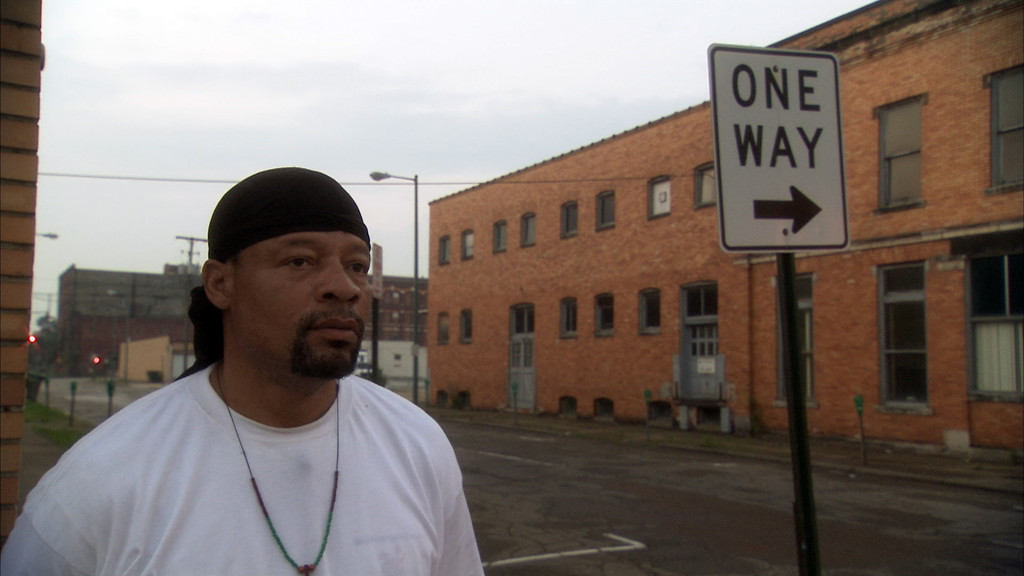
On October 11, 2013, Alonza was released from prison. He was 28 years old.
Most prisoners don’t serve their full sentences. But because of his suicidal behavior and other mental health problems, Alonza served every year of his time.
People with felony convictions face major challenges to starting over.
Their criminal records can bar them from finding a place to stay, accessing some social services and even voting.
After spending so much time in prison, many ex-offenders don’t have the skills they need to compete in the workforce. Often, they don’t have a chance, as most companies require applicants to disclose their criminal history up front.
Federal data underscores the point: Between 60 and 75 percent of ex-offenders are still unemployed up to a year after their release. Within five years, 77 percent have been rearrested.
Over the past nine years, 24 states have passed laws to limit the placement of juveniles in adult jails and prisons.
California also changed its rules. Juveniles convicted in adult court, like Alonza, are no longer sent to adult prisons.
Still, today there are approximately 6,000 juveniles in adult jails or prisons in the United States.
In the summer of 2014, Alonza began performing live poetry in Bakersfield. He is still striving to adjust to life outside prison.
“THE PATH I CHOSE”Written and performed by Alonza Thomas
Read More:What states are doing differently today If Alonza Thomas were a kid today, he might not have ended up serving 13 years in an adult prison.
Q&A with Caitlin McNally The filmmaker shares the unexpected way she came across Alonza Thomas’ story, the challenges of making such an intimate film, and what surprised her most along the way.
DIGITAL PRESENTATION BY:Chris Amico, Sarah Childress and Michelle Mizner
Related Documentaries

Latest Documentaries








Related Stories

Stickup Kid
Related Stories
Stickup Kid
Explore
Policies
Teacher Center

Jon and Jo Ann Hagler on behalf of the Jon L. Hagler Foundation
Corey David Sauer
Koo and Patricia Yuen
FRONTLINE is a registered trademark of WGBH Educational Foundation. Web Site Copyright ©1995-2025 WGBH Educational Foundation. PBS is a 501(c)(3) not-for-profit organization.
Funding for FRONTLINE is provided through the support of PBS viewers and by the Corporation for Public Broadcasting, with major support from Ford Foundation, and The Fialkow Family Foundation, as part of the Plum Bush Foundation. Additional funding is provided the Abrams Foundation, Park Foundation, John D. and Catherine T. MacArthur Foundation, Heising-Simons Foundation, and the FRONTLINE Trust, with major support from Jon and Jo Ann Hagler on behalf of the Jon L. Hagler Foundation, and Corey David Sauer, and additional support from Koo and Patricia Yuen. FRONTLINE is a registered trademark of WGBH Educational Foundation. Web Site Copyright ©1995-2025 WGBH Educational Foundation. PBS is a 501(c)(3) not-for-profit organization.