Map: Where is Childhood Homelessness Getting Worse?
November 6, 2013
Share
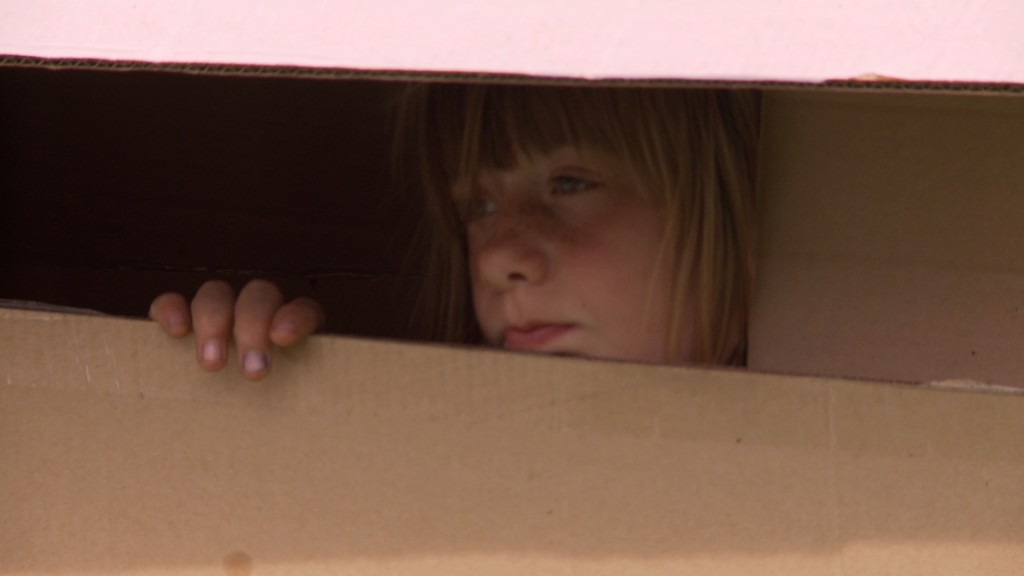
The number of homeless students in the United States reached a record high last year, according to new data from the Education Department showing that 1.2 million children had no place to call home.
The troubling new report casts light on a problem that four years into the nation’s economic recovery, has only grown worse. The total number of homeless children enrolled in preschools and K-12 programs rose 10 percent during the 2011-12 school year and 24 percent since the beginning of the 2009-10 academic year, according to the report.
In all, 41 states saw a rise in homelessness among school-aged children last year. Fifteen states reported a gain of at least 10 percent while another 10 states reported spikes of 20 percent or more. The map below breaks down the changes:
Less than 10% Growth10% or more20% or more30% or more LOADINGsource: National Center for Homeless Education
The department’s data — assembled by the National Center for Homeless Education — found that 75 percent of homeless children lived in “doubled-up” housing, which means they were “sharing the housing of other persons due to loss of housing, economic hardship, or a similar reason.” Roughly 20 percent lived either in shelters or motels. Another 4 percent spent their days in school but at night stayed in cars, parks, campgrounds, temporary trailers, abandoned buildings or other substandard housing.
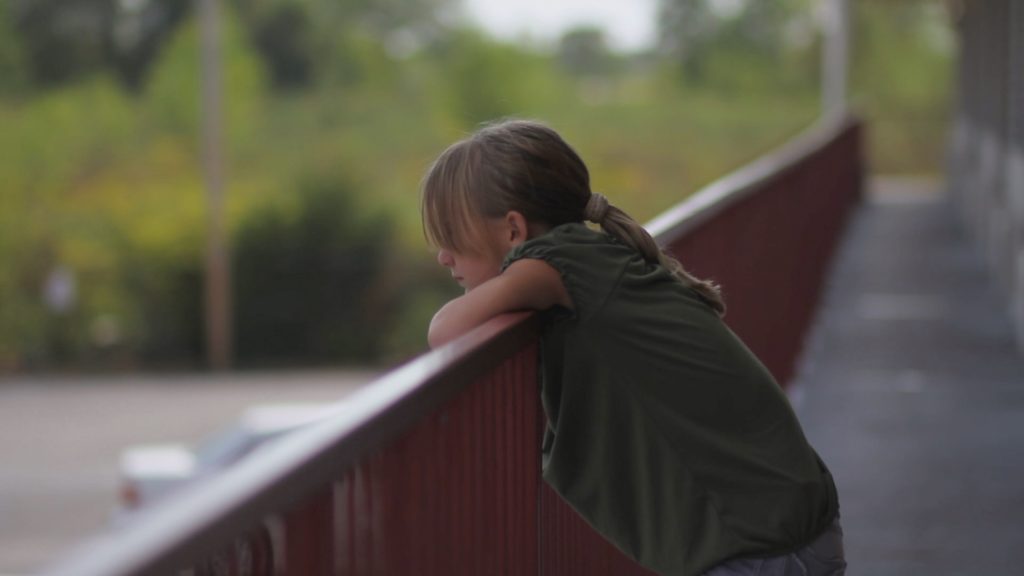
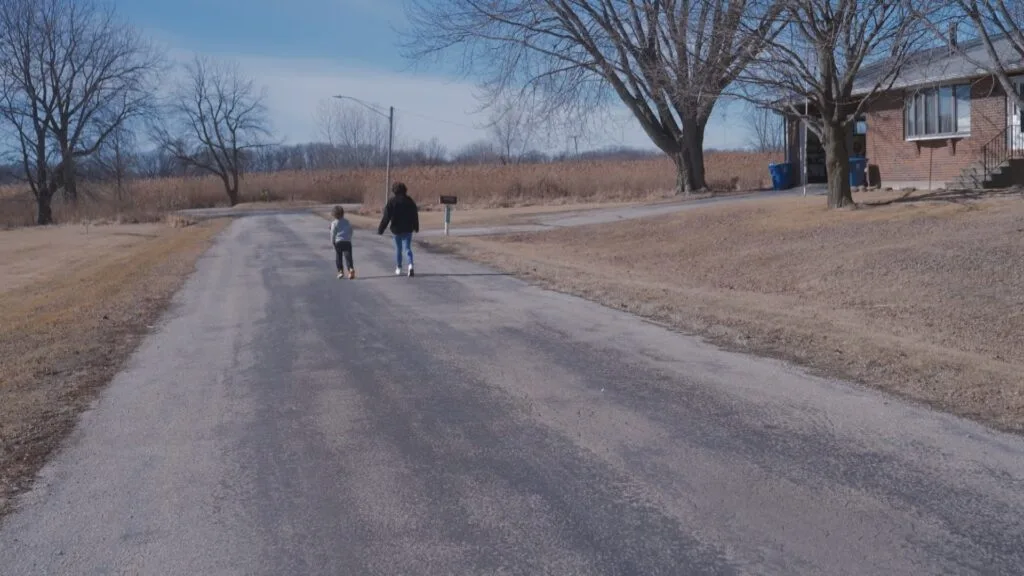
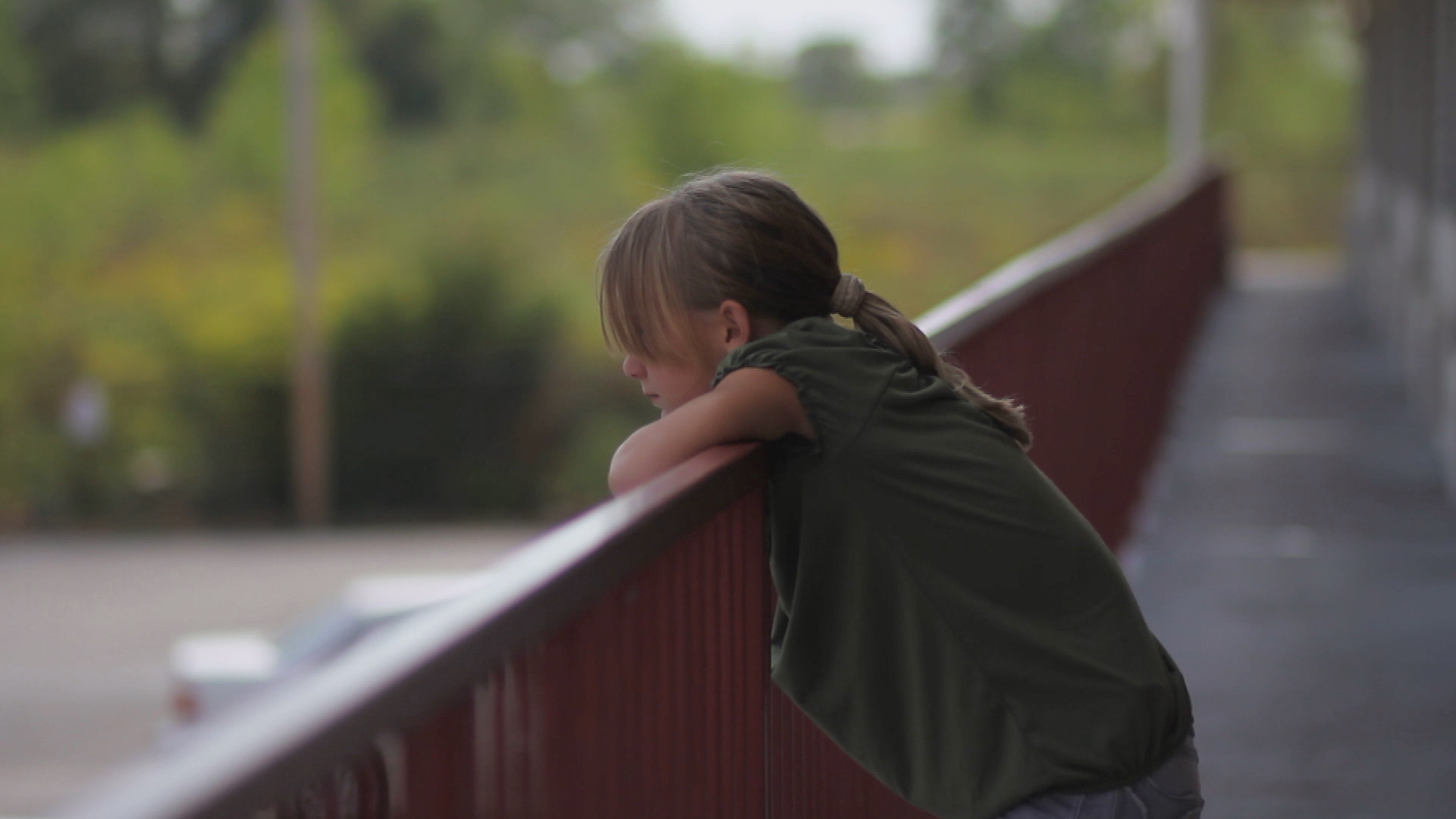
Last November, FRONTLINE traveled to the Quad Cities along the border of Iowa and Illinois to witness firsthand the affects that childhood poverty is having on a new generation of American children. In Poor Kids, filmmaker Jezza Neumann followed six children who not only faced uncertain living situations, but also near-constant hunger, the stigma of a life in poverty, and the stress that comes from watching a parent struggle. As one of the children told Neumann, “If I keep missing school, then I see my future poor, on the streets, in a box, not even, and asking for money everywhere, everybody, and then stealing stuff from stores. And yeah, I don’t want to steal stuff. I don’t want to do any of that stuff.”
Watch the film below:

Former Digital Editor
Related Documentaries
Latest Documentaries








Related Stories
Related Stories
Explore
Policies
Teacher Center

Jon and Jo Ann Hagler on behalf of the Jon L. Hagler Foundation
Corey David Sauer
Koo and Patricia Yuen
FRONTLINE is a registered trademark of WGBH Educational Foundation. Web Site Copyright ©1995-2025 WGBH Educational Foundation. PBS is a 501(c)(3) not-for-profit organization.
Funding for FRONTLINE is provided through the support of PBS viewers and by the Corporation for Public Broadcasting, with major support from Ford Foundation, and The Fialkow Family Foundation, as part of the Plum Bush Foundation. Additional funding is provided the Abrams Foundation, Park Foundation, John D. and Catherine T. MacArthur Foundation, Heising-Simons Foundation, and the FRONTLINE Trust, with major support from Jon and Jo Ann Hagler on behalf of the Jon L. Hagler Foundation, and Corey David Sauer, and additional support from Koo and Patricia Yuen. FRONTLINE is a registered trademark of WGBH Educational Foundation. Web Site Copyright ©1995-2025 WGBH Educational Foundation. PBS is a 501(c)(3) not-for-profit organization.