How Are We Preparing For the Next Pandemic?
Six years since COVID-19 was declared a pandemic, here’s a snapshot of preparedness at a time of global health funding cuts, policy shifts and the continued spread of misinformation.
March 13, 2026
Share
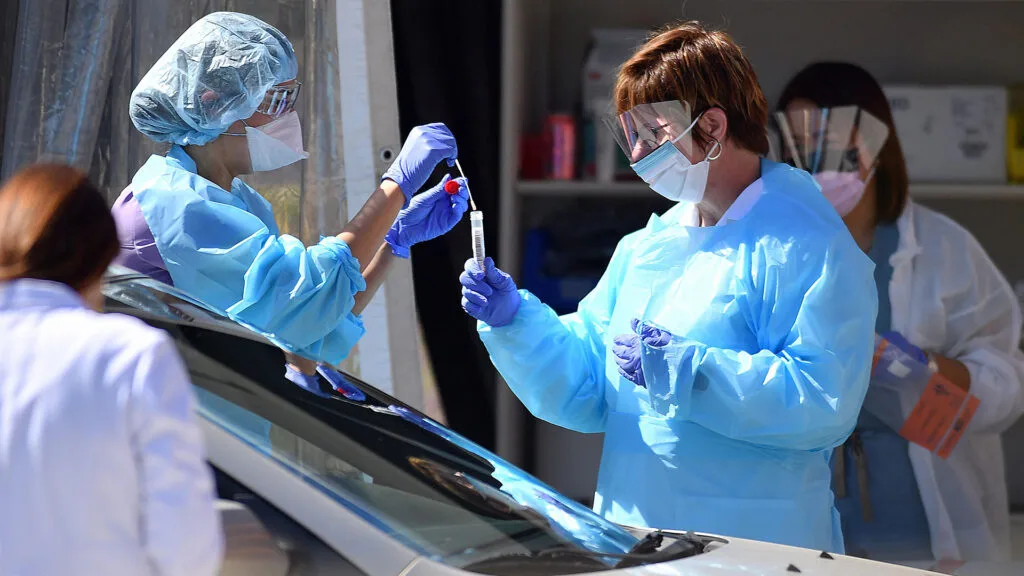
In March 2020, the World Health Organization’s director-general declared COVID-19 a pandemic, saying the agency was “deeply concerned both by the alarming levels of spread and severity, and by the alarming levels of inaction.” Since the virus emerged six years ago, the disease has taken the lives of more than 7 million people, according to data tracked by KFF, a health research organization. COVID infections have left hundreds of millions of people with long COVID, a complex and chronic condition.
“We’re going to have more pandemics,” said Jennifer Nuzzo, professor of epidemiology and director of the Pandemic Center at Brown University School of Public Health, noting that data shows that the chances of future pandemics and the frequency with which they could occur are increasing.
Scientists have long warned that pandemics are inevitable. Research in recent years has estimated the chance of a COVID-19-like pandemic as 28% within the next decade and 38% in our lifetimes.
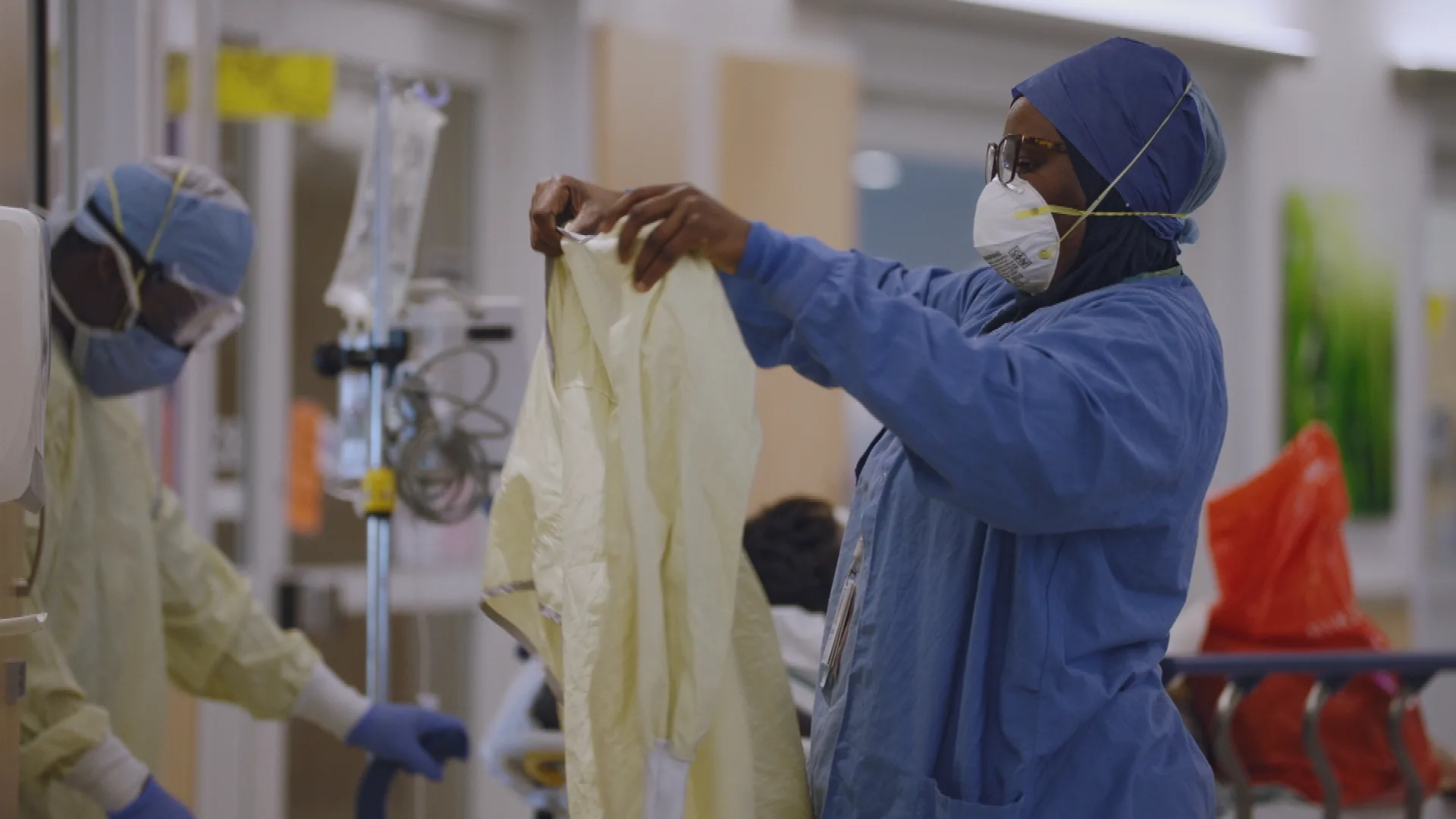
Here, FRONTLINE examines world preparedness for the next pandemic at a time of global health funding cuts, policy shifts and the continued spread of misinformation.
Changes in Global Health Funding and Policies
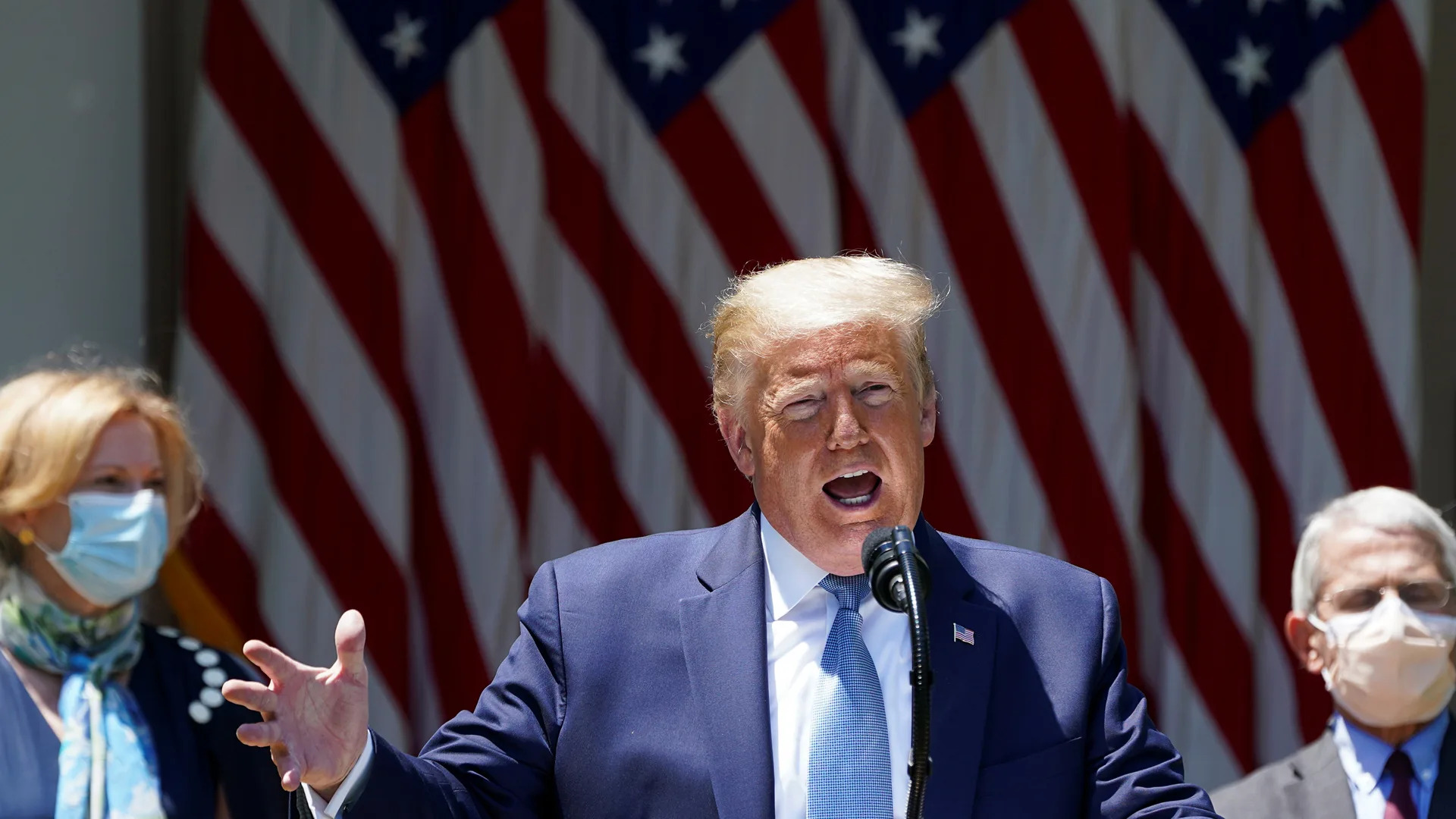
In the United States, the second Trump administration has been reshaping the nation’s global health policies. In 2025, it released the “America First Global Health Strategy,” which included the stated goals of enabling early detection and containment of outbreaks. The nonpartisan Center for Global Development noted that the plan signaled “continued U.S. commitment to global health,” including preventing pandemics, but called broader cuts to U.S. global health programming “devastating news.”
In 2025, the administration dismantled USAID, the federal humanitarian agency that played a role in global outbreak prevention and response, after stating that large portions of USAID funding did not align with “core national interests.” In 2026, the U.S. announced its withdrawal from the WHO after almost 78 years of membership, which it said was in response to “the WHO’s failures during the COVID-19 pandemic.”
While headlines stating that, “we’re all doomed” as a result of these changes might grab attention, Rebecca Katz, professor and director of the Center for Global Health Science and Security at Georgetown University, told FRONTLINE, “the reality is that it’s a lot more nuanced than that.”
Katz pointed out that different parts of the world are investing resources to prepare for pandemics in various ways.
The WHO described such measures in a recent statement, including launching a Pandemic Fund to support disease surveillance and training in 98 countries; strengthening networks to track pathogens that might lead to epidemics or pandemics; and setting up the Global Health Emergency Corps to address some of the gaps identified during the COVID-19 response.
In spite of those initiatives, the WHO also noted that it has seen what it calls a “shortsighted” funding shift from health to defense and national security, and emphasized that “pandemics are national security threats.”
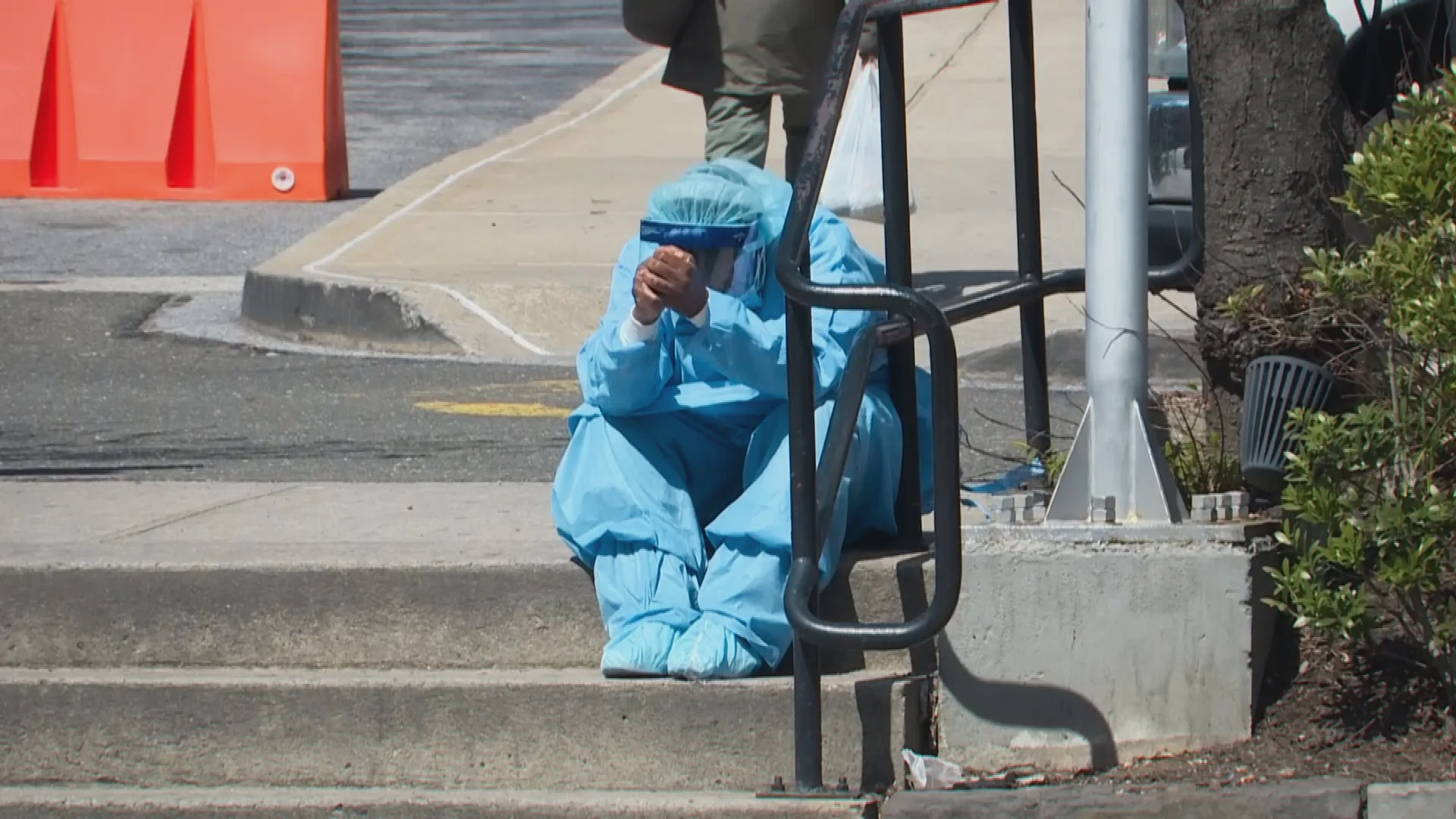
The U.S., United Kingdom, France, Germany and others reduced their global health and research and development funding in 2025, according to a report published in January by the International Pandemic Preparedness Secretariat (IPPS), which reviews global efforts to ensure tests, therapies and vaccines are available within 100 days of a pandemic threat.
Ongoing Misinformation Threats
Medical misinformation, which was rampant on social media and other platforms during the COVID-19 pandemic, has continued to be an issue. The recent IPPS report listed the erosion of public trust due to vaccine hesitancy and misinformation around the world as a major barrier to reinvestment in research and development.
Epidemiologist Nuzzo said this problem can’t be fixed without examining why people might be inclined to believe false information.
“There’s not an infrastructure to enable people to get advice from authoritative sources that they trust,” Nuzzo said. Around 74% of the world’s population used the internet in 2025, according to the International Telecommunication Union, a United Nations agency that focuses on digital technologies. But Nuzzo pointed out that a lot of people can’t afford access to information behind paywalls.
Researchers have looked into additional challenges such as censorship by governments and other authorities and the influence of social media algorithms on public health that technology companies continue to grapple with.
The Role of Community Engagement
In addition to COVID-19, this month marks another significant global health anniversary. In March 2014, Guinea notified the WHO about an Ebola outbreak. The virus rapidly spread to other countries across West Africa and beyond, and became the largest Ebola outbreak since the virus was discovered, killing more than 11,000 people.
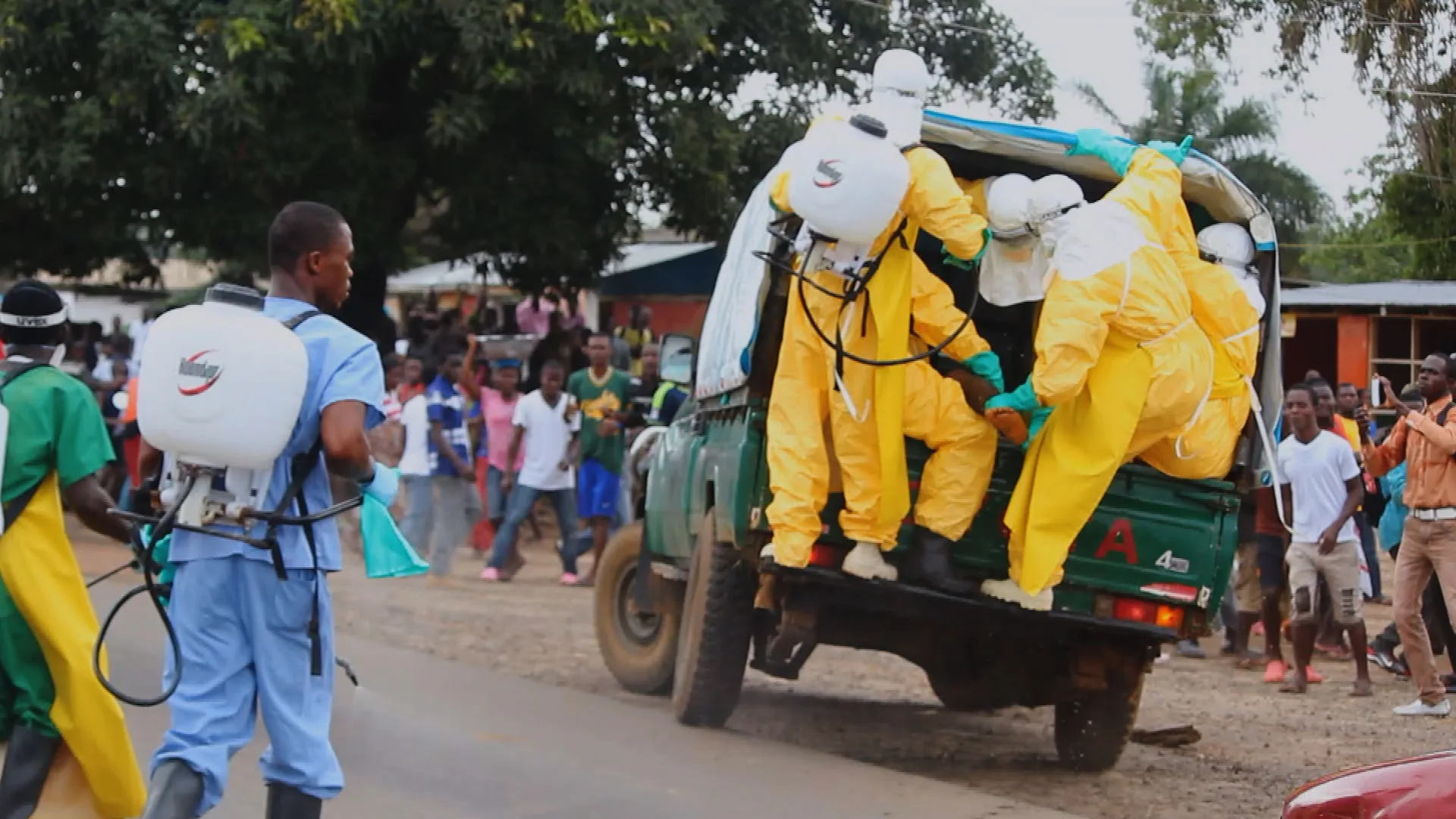
Nahid Bhadelia, an infectious diseases physician and founding director of Boston University’s Center on Emerging Infectious Diseases, was involved in caring for patients during Ebola outbreaks.
Bhadelia said both the West Africa Ebola epidemic and the COVID-19 pandemic exemplify why engagement with communities matters. She noted that finding a way to connect with communities that feel disenfranchised can get them better access to care and information and try to dispel mis-and disinformation, for example, with the ongoing measles outbreaks in the U.S.
“That was the same message in Ebola,” Bhadelia said. “It’s the same message in COVID, and it’s the same message, I would imagine, now.”
Watch a selection of documentaries from FRONTLINE and partners that examine the COVID-19 pandemic and the West Africa Ebola epidemic.
Watch the documentary
Coronavirus Pandemic
FRONTLINE investigates the U.S. response to COVID-19 — from Washington State to Washington D.C. — and examines what happens when politics and science collide
Watch the documentary
The Virus: What Went Wrong?
As COVID-19 spread from Asia to the Middle East to Europe, why was the U.S. caught so unprepared?
Watch the documentary
The Virus That Shook the World: Part 1
The epic story of how people around the world lived through the first year of the pandemic, from lockdowns to funerals to protests
Watch the documentary
The Virus That Shook the World: Part 2
The epic story of how people around the world lived through the first year of the pandemic, from lockdowns to funerals to protests
Watch the documentary
Outbreak
The vivid, inside story of how the 2014-2016 Ebola outbreak began, and why it wasn't stopped before it was too late
Related Documentaries

Latest Documentaries

Related Stories
Outbreak
Coronavirus Pandemic
The Virus That Shook The World
The Virus
Related Stories
Outbreak
Coronavirus Pandemic
The Virus That Shook The World
The Virus
Explore
Policies
Teacher Center

Jon and Jo Ann Hagler on behalf of the Jon L. Hagler Foundation
Corey David Sauer
Koo and Patricia Yuen
FRONTLINE is a registered trademark of WGBH Educational Foundation. Web Site Copyright ©1995-2025 WGBH Educational Foundation. PBS is a 501(c)(3) not-for-profit organization.
Funding for FRONTLINE is provided through the support of PBS viewers and by the Corporation for Public Broadcasting, with major support from Ford Foundation, and The Fialkow Family Foundation, as part of the Plum Bush Foundation. Additional funding is provided the Abrams Foundation, Park Foundation, John D. and Catherine T. MacArthur Foundation, Heising-Simons Foundation, and the FRONTLINE Trust, with major support from Jon and Jo Ann Hagler on behalf of the Jon L. Hagler Foundation, and Corey David Sauer, and additional support from Koo and Patricia Yuen. FRONTLINE is a registered trademark of WGBH Educational Foundation. Web Site Copyright ©1995-2025 WGBH Educational Foundation. PBS is a 501(c)(3) not-for-profit organization.