15 Years Later: Syria’s Uprising, the Conflict That Followed and the Aftermath
Revisit FRONTLINE’s documentaries on the Syrian war's devastating human toll, the journeys of those displaced, the foreign interventions and the long shadow of the conflict.
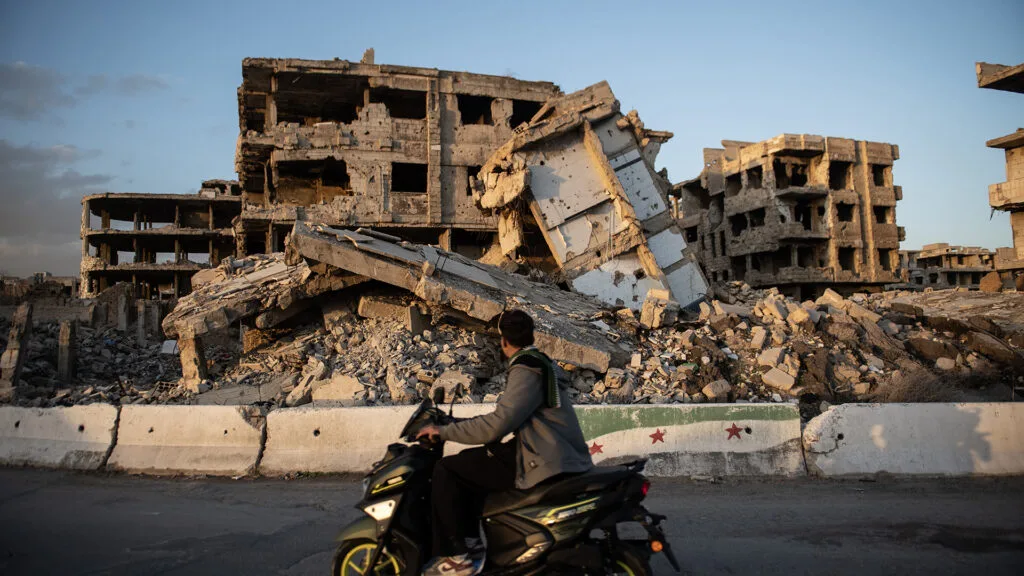
March 13, 2026
Share
Fifteen years ago, pro-democracy uprisings were sweeping through nations from Tunisia to Egypt and Libya in what became known as the Arab Spring. In Syria, what happened after a group of boys wrote messages opposing then-Syrian President Bashar al-Assad on a school wall added fuel to protests against Assad’s regime. Demonstrations across the country on March 15, 2011, marked the beginning of a mass Syrian uprising.
But Assad moved quickly to crush the protests — and in the face of his security forces’ brutal crackdown, what began as largely peaceful demonstrations evolved into a fractured armed opposition.
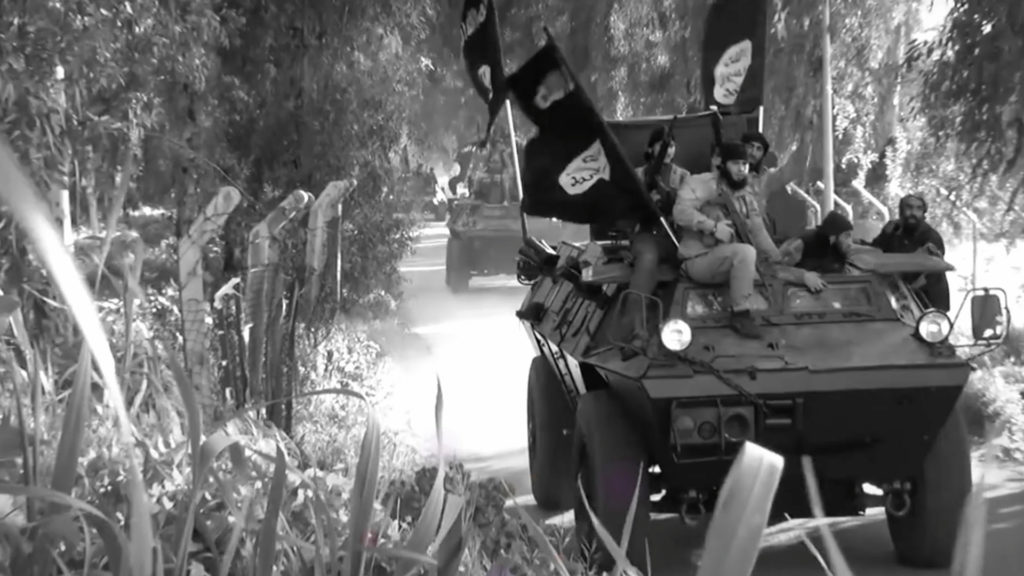
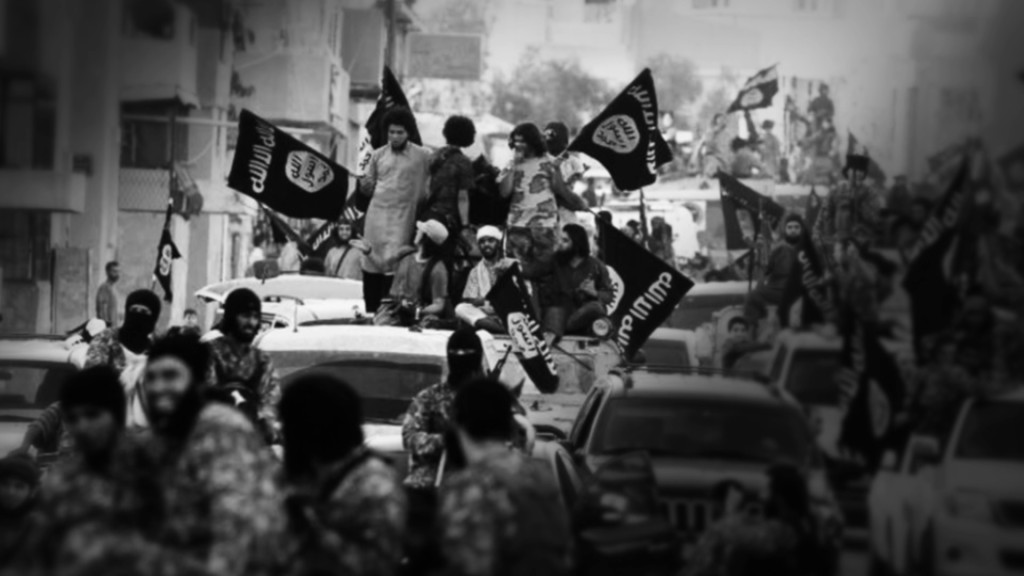
During a bloody conflict that lasted for nearly 14 years, rights groups and international observers documented Assad’s forces using indiscriminate weapons such as barrel bombs against the civilian population, the suspected use of chemical weapons, and reports of the torture and deaths of political prisoners in detention facilities run by the government. Tactics among some opposition groups also escalated. The chaos of the fighting allowed extremists to grow in strength and seize territory, with the self-proclaimed Islamic State of Iraq and Syria declaring a caliphate in June 2014 with the Syrian city of Raqqa as its de facto capital.
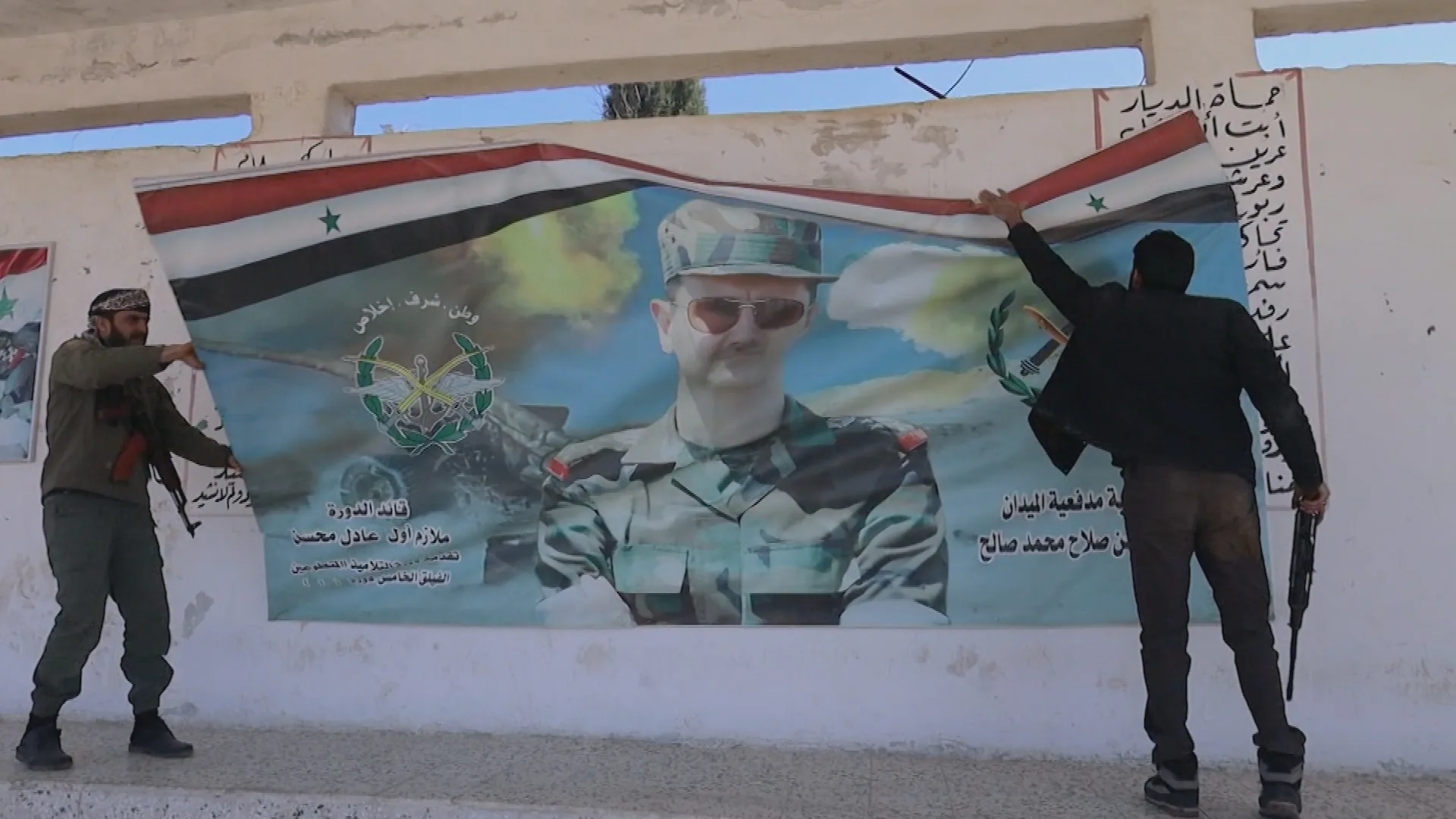
After long years of fighting that left hundreds of thousands dead, displaced millions of people both within Syria and to neighboring countries and beyond, and drew foreign intervention from regime allies, including Iran and Russia, and the United States and others on opposing sides of the conflict, Assad was ultimately ousted by rebel forces in December 2024 and fled to Moscow.
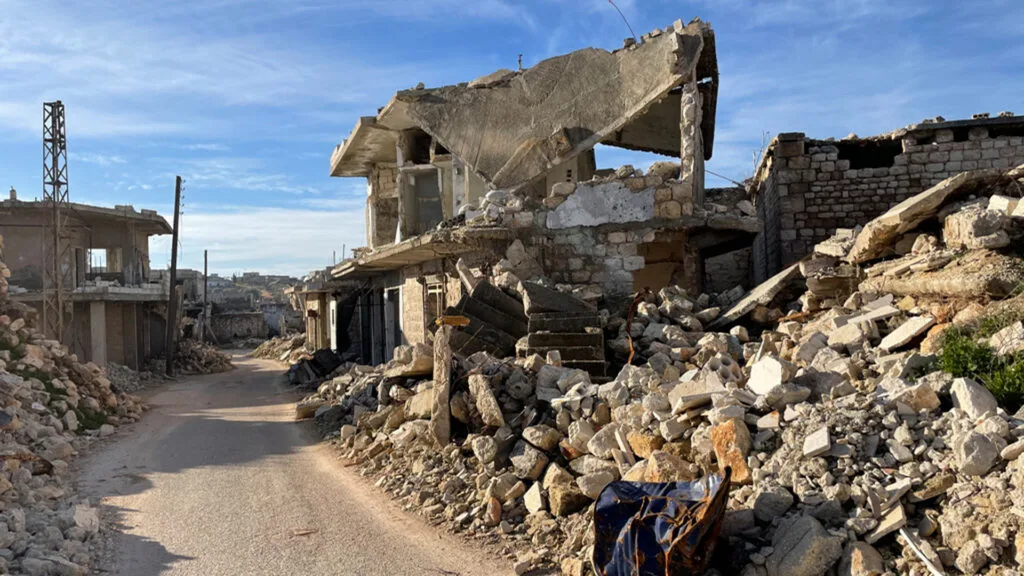
More than 100,000 people were “forcibly disappeared” during the conflict, according to human rights groups, with many of their fates still unknown a year after the regime’s collapse. As of last month, the United Nations Refugee Agency estimated 1.5 million Syrians have returned to their country since Assad’s fall. But the situation inside Syria remains “extremely fragile,” according to UNHCR, with infrastructure “damaged or overstretched,” many homes that are “uninhabitable” and parts of the country contaminated with landmines.
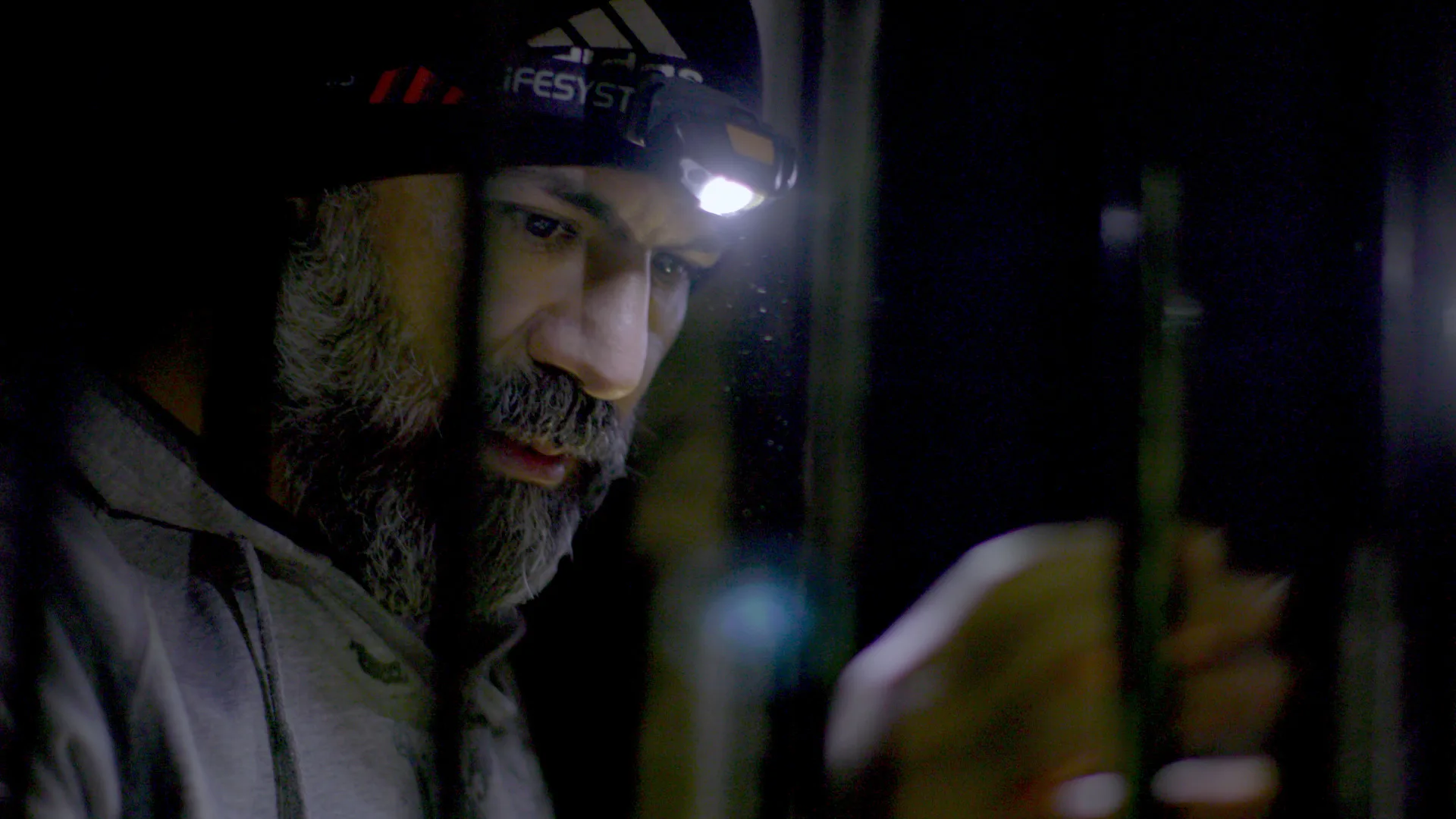
FRONTLINE has been covering the conflict from the early days to the fallout from Assad’s ouster. One of FRONTLINE’s 2025 documentaries, Syria’s Detainee Files, examined how people detained for protesting the regime were subjected to abuse, with firsthand accounts from former prisoners and those who ran the prisons. Another documentary from last year, Syria After Assad, examined how Syria was faring under the leadership of jihadist-turned-statesman Ahmad al-Sharaa — who led the offensive that toppled Assad — as the country struggled to overcome the divisions of the war and rebuild.
Below, revisit FRONTLINE’s documentaries covering the conflict’s devastating human toll, the journeys of those displaced, the interventions of the United States and other foreign forces, and the long shadow of the war, as the nation reckons with the aftermath of more than a decade of fighting.
The Aftermath of Syria’s War
Syria After Assad (2025)
Watch the documentary
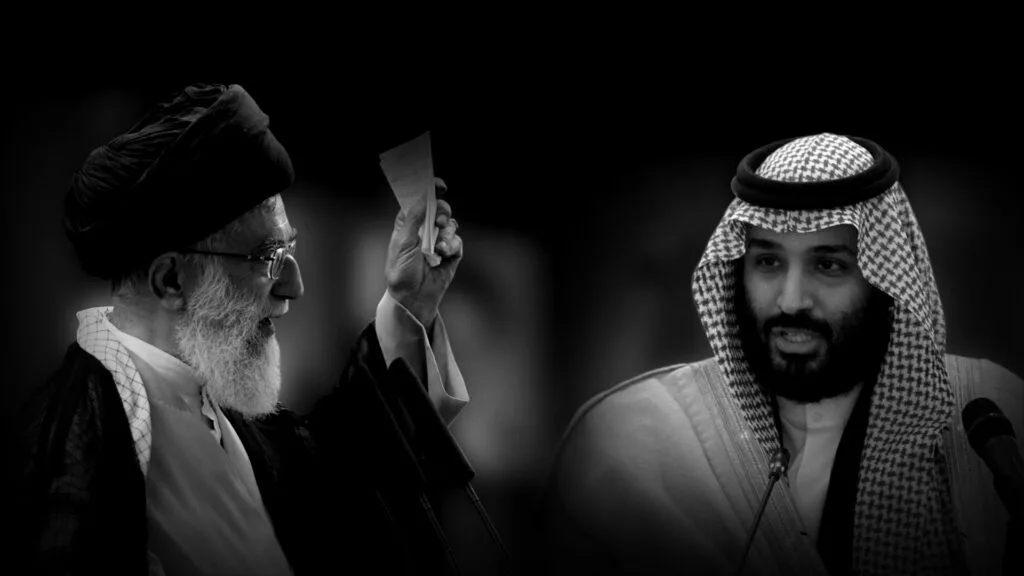
This documentary examined Syria’s uncertain future under Ahmad al-Sharaa, tracing his rise to power and emerging threats to the country’s stability. It also examined how some minority communities, including the Druze and Kurdish communities, viewed the new Syrian government with fear and suspicion, and how the change in leadership impacted the Middle East.
Since the film aired, Syrian government forces seized territory in the country’s northeast previously held by a Kurdish-led group. The two sides reached an agreement in late January that would eventually integrate Kurdish forces and civic institutions into the centralized government structure that al-Sharaa leads.
Syria’s Detainee Files (2025)
Watch the documentary
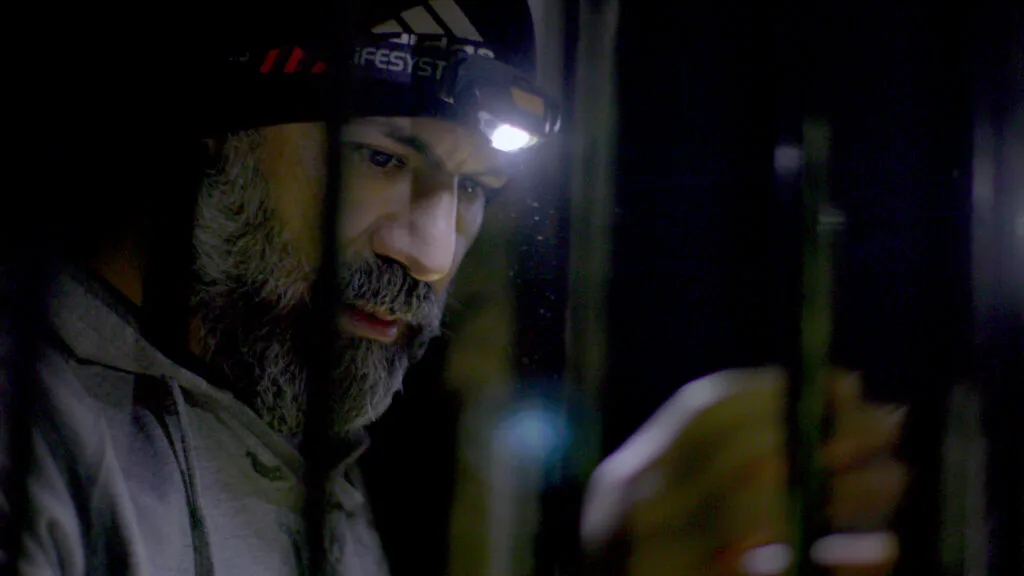
This documentary investigated the Assad regime’s arrest, torture and execution of detainees during the Syrian war. Former prisoners, guards, soldiers and intelligence officials shed new light on some of the atrocities that were carried out during Assad’s reign.
***
The Roots of the Syrian Uprising & the Assad Regime’s Response
The Regime (2011)
Watch the documentary
From the first year of the conflict, this documentary looks at how the Syrian rebellion began, how Assad moved to crush it and how his regime originally came to power.
The Regime Responds (2012)
Watch the documentary
This documentary examined how Assad held on to power eighteen months into the rebellion via increasingly brutal means, including attacking civilian neighborhoods, as opposition tactics also escalated.
Inside Assad’s Syria (2015)
Watch the documentary
Filmed inside government-controlled areas of Syria, this documentary examined the contrast between the Assad regime’s PR campaign and the reality of life on the ground, as well as why many regime loyalists equated all opponents of Assad with ISIS.
***
Inside the Syrian Opposition
Syria: Arming the Rebels (2014)
Watch the documentary
This documentary followed Syrian rebel fighters who said they were being secretly armed and trained by the United States, part of a covert U.S. intelligence program.
The Jihadist (2021)
Watch the documentary
Before he became Syria’s current leader, Ahmad al-Sharaa went by the nom de guerre Abu Mohammad al-Jolani, and his life for most of two decades was a roadmap of Islamist militancy in Iraq and Syria. Designated a terrorist by the United States at the time of this documentary’s making, the powerful Syrian militant and one-time Al Qaeda commander said his fight was with Assad, not the U.S., in his first interview with a Western journalist.
***
Firsthand Accounts of War & Displacement
Syria Behind the Lines (2013)
Watch the documentary
Filmed in Syria’s rural Orontes River valley, this documentary looked at how the conflict pitted neighbor against neighbor: on one side, a young rebel soldier fighting to the death to bring down Assad, and facing him, a career soldier determined to preserve the regime’s hold on power.
Children of Syria (2016)
Watch the documentary
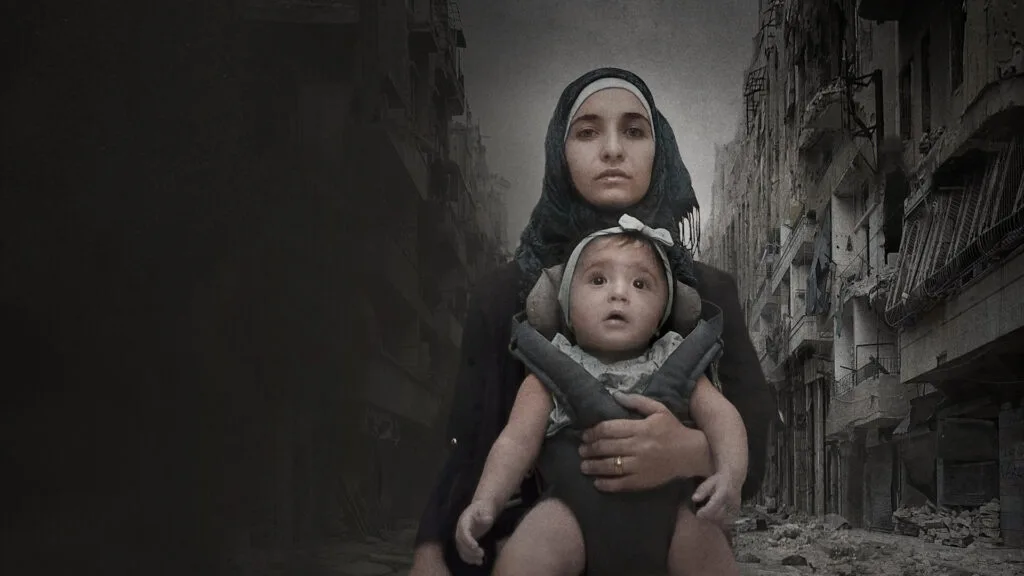
An Oscar nominee, this documentary followed four children surviving in war-torn Aleppo, their escape to safety in Germany and their adjustment to life as refugees.
Exodus (2016)
Watch the documentary
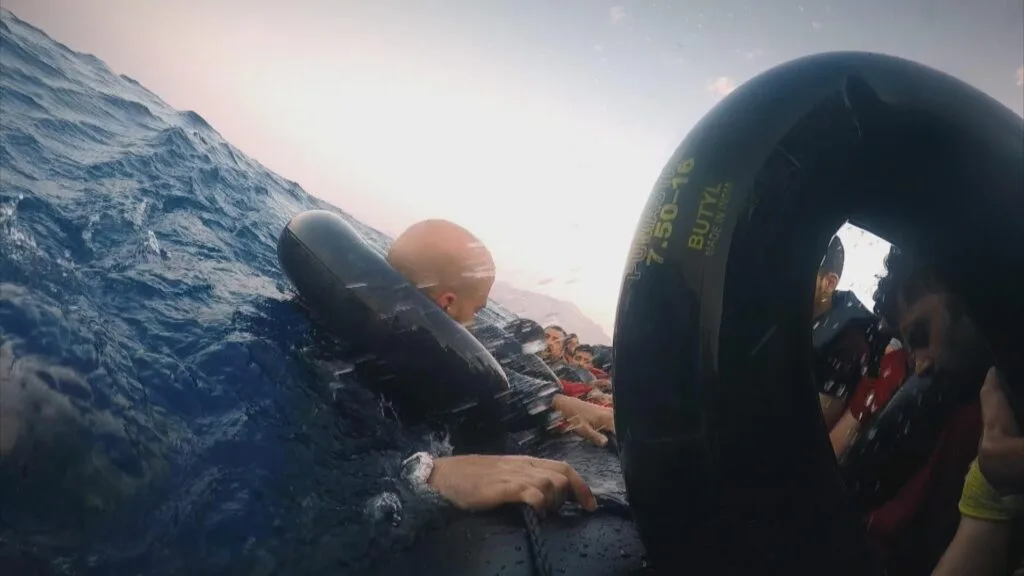
This panoramic film told the first-person stories of refugees and migrants fleeing persecution and war worldwide, including in Syria. It incorporated footage filmed by the refugees themselves as they left their homes on dangerous journeys in search of safety, including a harrowing sequence filmed by a Syrian refugee on a sinking dinghy crossing the Mediterranean.
Exodus: The Journey Continues (2018)
Watch the documentary
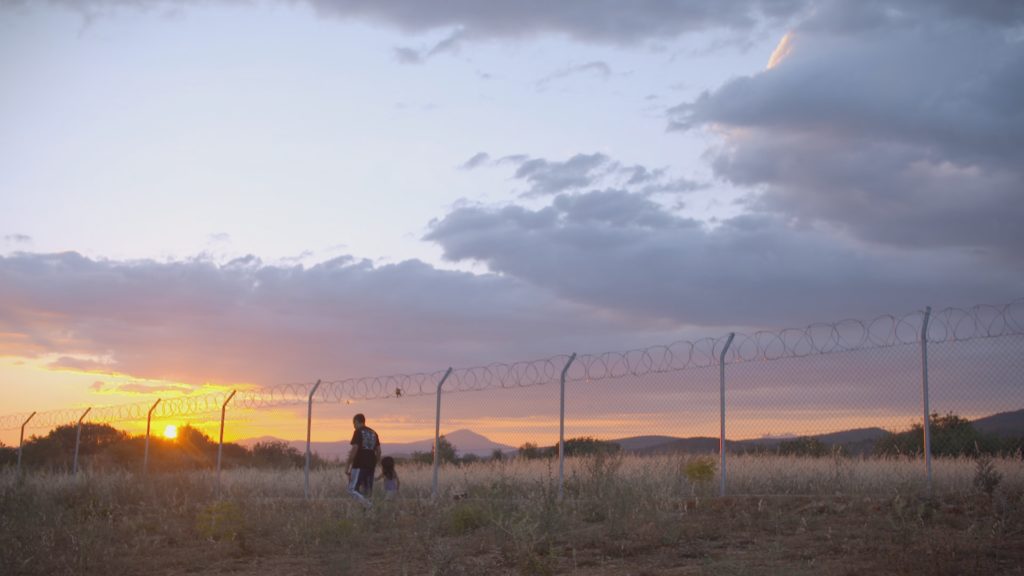
A sequel to the 2016 film, this documentary told the intimate, firsthand stories of refugees and migrants from the Middle East and Africa who, caught in Europe’s tightened borders, faced the global rise of nationalism and anti-immigrant sentiment. It expanded on the story of a Syrian family featured in 2016’s Exodus.
***
Foreign Intervention
The Rise of ISIS (2014)
Watch the documentary
This documentary traced how the extremist group that would become known as ISIS rose to power, including by taking advantage of the conflict in Syria, and examined the stakes of disagreements inside the Obama administration over whether to provide arms to moderate rebels.
Obama at War (2015)
Watch the documentary
This documentary chronicled how then-President Barack Obama responded to the Syrian uprising, the Assad regime’s crackdown and the chaos that followed. The film paid particular attention to deep divisions within the Obama administration about what the U.S.’s role should be, including what happened when the White House assessed that the Assad regime had crossed what Obama once called “a red line” — the use of chemical weapons on civilians.
The Secret History of ISIS (2016)
Watch the documentary
As part of its examination of how ISIS came to be, this documentary recounted how the group’s first leader, Abu Bakr al-Baghdadi, exploited the Syrian uprising and sent agents into Syria to commit bloody attacks and fuel the war, ultimately seizing large swaths of territory and naming Raqqa as the capital of ISIS’ self-declared caliphate.
Confronting ISIS (2016)
Watch the documentary
This film examined the successes and failures of the U.S.-led effort to degrade and destroy ISIS, including the Obama administration’s struggle to deal effectively with the crisis in Syria, and what happened when Putin’s military entered the fray. It also traced the disparate groups fighting ISIS, including Kurdish forces in Iraq and Syria.
Keep Our Journalism Strong. Donate Today.
Your support makes it possible for FRONTLINE to produce bold investigative documentaries on the issues that matter most. Donate today to help sustain this work through the months and years ahead.

Digital Editor, FRONTLINE
Related Documentaries

Latest Documentaries




Related Stories
Syria After Assad
Syria’s Detainee Files
Related Stories
Syria After Assad
Syria’s Detainee Files
Explore
Policies
Teacher Center

Jon and Jo Ann Hagler on behalf of the Jon L. Hagler Foundation
Koo and Patricia Yuen
FRONTLINE is a registered trademark of WGBH Educational Foundation. Web Site Copyright ©1995-2025 WGBH Educational Foundation. PBS is a 501(c)(3) not-for-profit organization.
Funding for FRONTLINE is provided through the support of PBS viewers and by the Corporation for Public Broadcasting, with major support from Ford Foundation. Additional funding is provided the Abrams Foundation, Park Foundation, John D. and Catherine T. MacArthur Foundation, Heising-Simons Foundation, and the FRONTLINE Trust, with major support from Jon and Jo Ann Hagler on behalf of the Jon L. Hagler Foundation, and additional support from Koo and Patricia Yuen. FRONTLINE is a registered trademark of WGBH Educational Foundation. Web Site Copyright ©1995-2025 WGBH Educational Foundation. PBS is a 501(c)(3) not-for-profit organization.