The Medicated Foster Child
November 21, 2011
Share
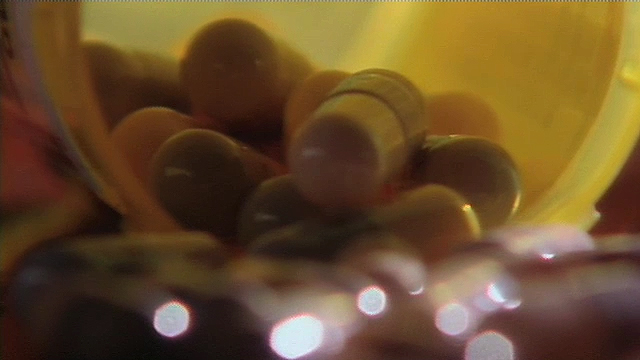
A new study published in the journal Pediatrics this month reveals a particularly concerning trend for children in foster care: the regular prescription of antipsychotics like Risperdal and Seroquel, which are more commonly used to treat schizophrenia and bipolar disorder in adults.
According to The New York Times, researchers:
analyzed 2003 Medicaid records of 637,924 minors from an unidentified mid-Atlantic state who were either in foster care, getting disability benefits for a diagnosis like severe autism or bipolar disorder, or in a program called Temporary Assistance for Needy Families. All of these programs draw on Medicaid financing. The investigators found that 16,969, or about 3 percent of the total, had received at least one prescription for an antipsychotic drug.
Yet among these, it was the foster children who most often got more than one such prescription at the same time: 9.2 percent, versus 6.8 percent among the children on disability, and just 2.5 percent of those in the needy families program.
The use of antipsychotics in children — and the increase in bipolar diagnoses — are trends we investigated in our 2008 film The Medicated Child. In the 10 years before the film was produced, there was an approximate 4,000 percent increase in children diagnosed with bipolar disorder, and many were being prescribed drugs that in some cases had only been tested in adults.
According to a 2009 Times article, the side effects of a drug like Risperdal can be profound and include rapid weight gain that can lead to other health problems like hypertension and diabetes.
The lead author of the new Pediatrics study told the Times that there’s no evidence to back up such high numbers of antipsychotic prescriptions:
“The kids in foster care may come from bad homes, but they do not have the sort of complex medical issues that those in the disabled population do,” said Susan dosReis, an associate professor in the University of Maryland School of Pharmacy and the lead author.
The implication, Dr. dosReis and other experts said: Doctors are treating foster children’s behavioral problems with the same powerful drugs given to people with schizophrenia and severe bipolar disorder. “We simply don’t have evidence to support this kind of use, especially in young children,” Dr. dosReis said.
For more on the debate about the use of antipsychotics in children, watch our film here, read interviews with doctors and experts, and sift through our page of FAQs.
Latest Documentaries





Explore
Policies
Teacher Center

Jon and Jo Ann Hagler on behalf of the Jon L. Hagler Foundation
Koo and Patricia Yuen
FRONTLINE is a registered trademark of WGBH Educational Foundation. Web Site Copyright ©1995-2025 WGBH Educational Foundation. PBS is a 501(c)(3) not-for-profit organization.
Funding for FRONTLINE is provided through the support of PBS viewers and by the Corporation for Public Broadcasting, with major support from Ford Foundation. Additional funding is provided the Abrams Foundation, Park Foundation, John D. and Catherine T. MacArthur Foundation, Heising-Simons Foundation, and the FRONTLINE Trust, with major support from Jon and Jo Ann Hagler on behalf of the Jon L. Hagler Foundation, and additional support from Koo and Patricia Yuen. FRONTLINE is a registered trademark of WGBH Educational Foundation. Web Site Copyright ©1995-2025 WGBH Educational Foundation. PBS is a 501(c)(3) not-for-profit organization.