Divided Memories Part 2
Share
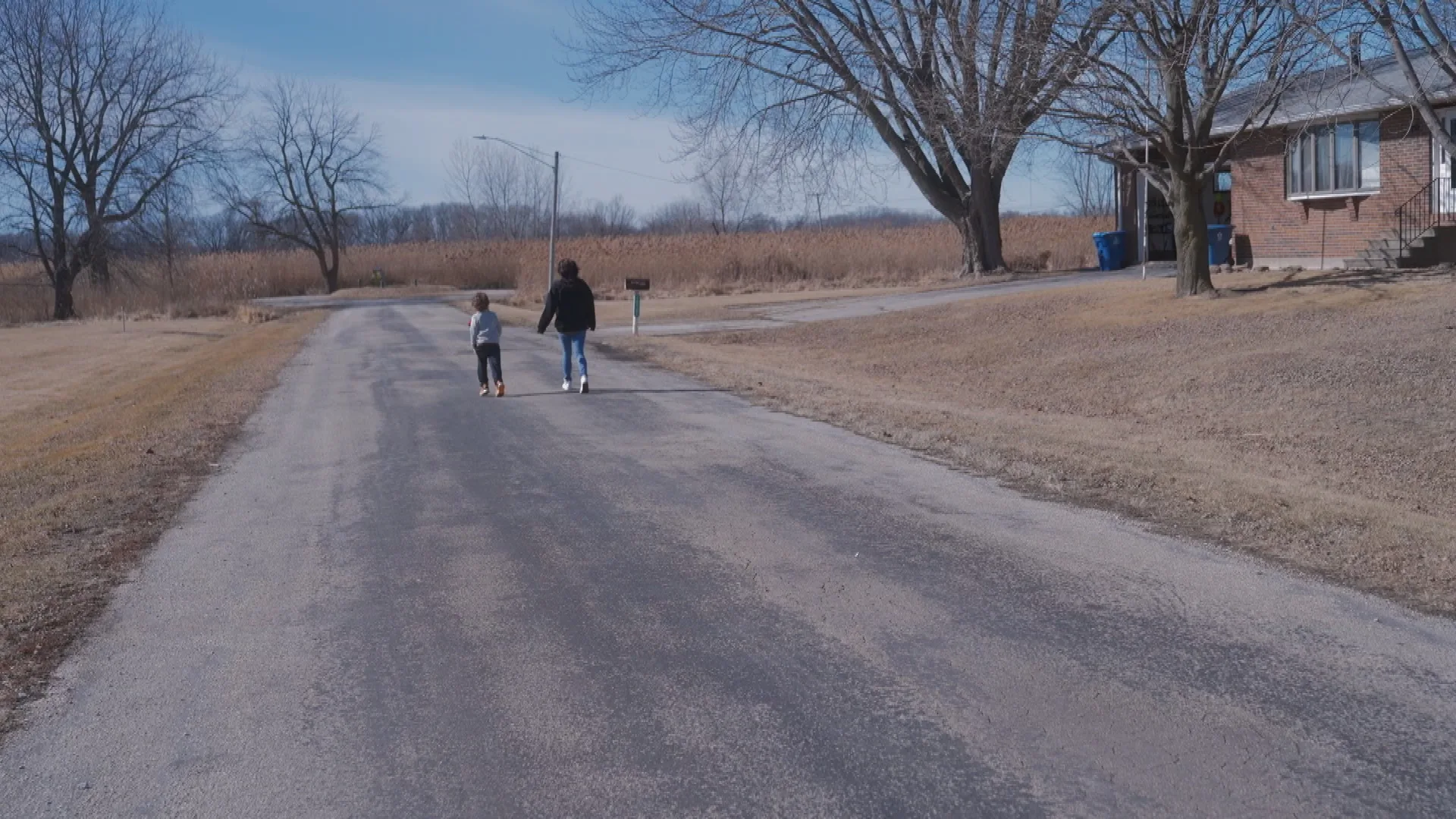
Part 2 looks at the effects that remembered abuse has had on the families involved and explores how we distinguish real memories from those which are not true. ‘We know that sexual abuse is a real problem,’ says Bikel. ‘But when the memories are not real, what makes the ‘victim’ so ready to believe they are? What cultural forces have made the explanation of sexual abuse so easy to accept?’
Journalistic Standards
Support provided by:
Learn More
Most Watched

The FRONTLINE Newsletter
Related Stories
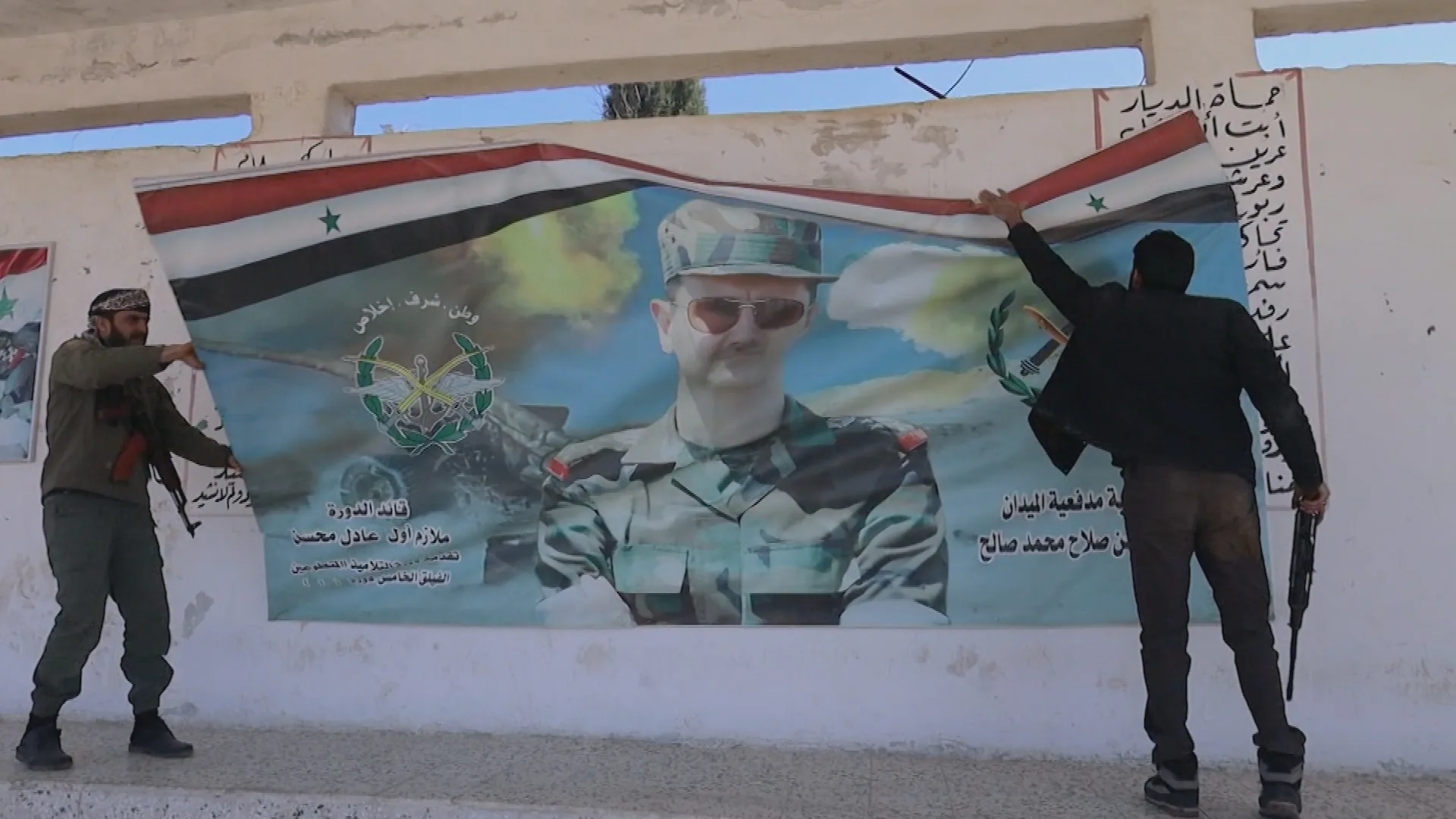
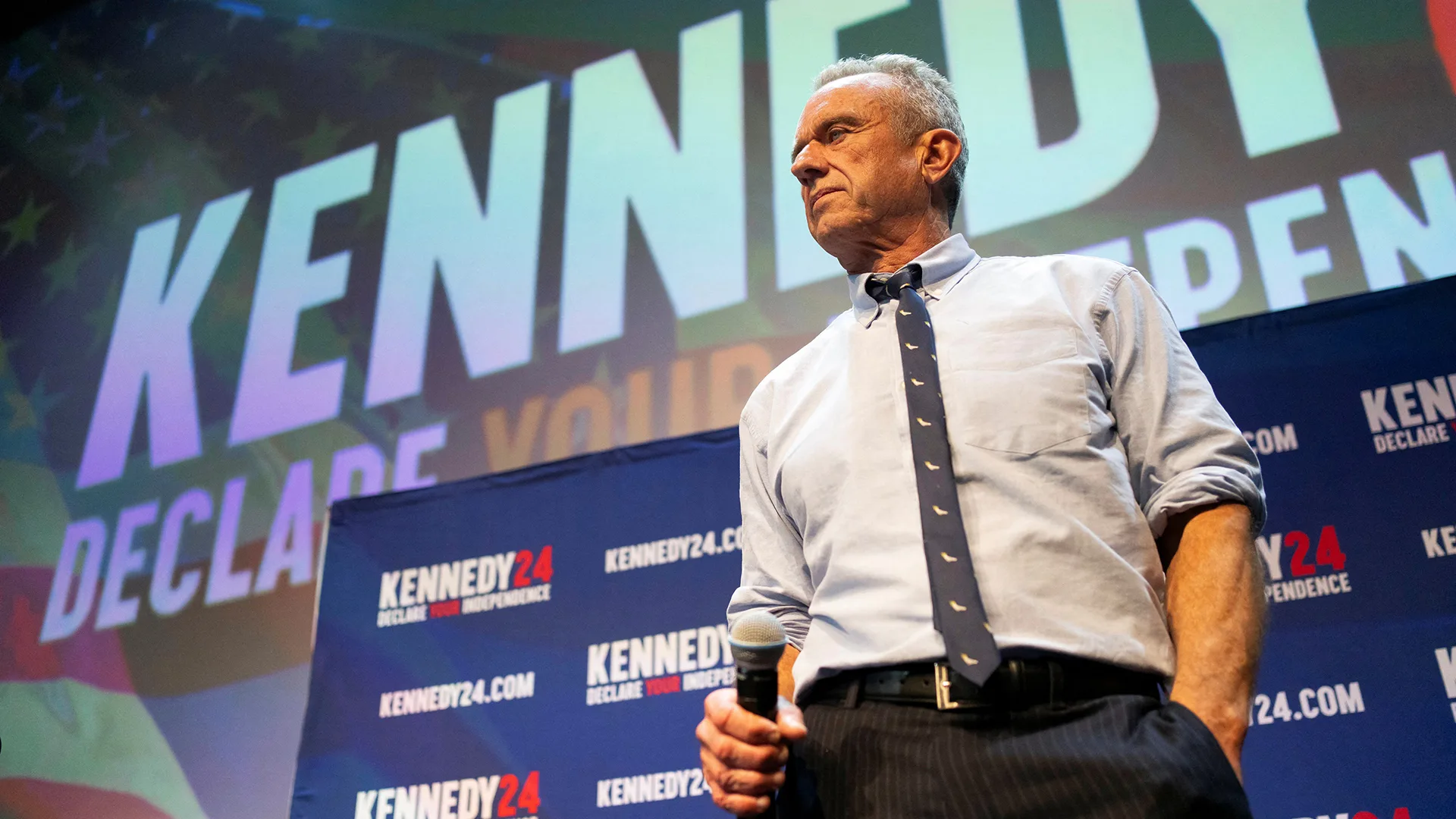
Divided States of America: Part 2
Related Stories
Divided States of America: Part 2
Explore
Policies
Teacher Center

Jon and Jo Ann Hagler on behalf of the Jon L. Hagler Foundation
Koo and Patricia Yuen
FRONTLINE is a registered trademark of WGBH Educational Foundation. Web Site Copyright ©1995-2025 WGBH Educational Foundation. PBS is a 501(c)(3) not-for-profit organization.
Funding for FRONTLINE is provided through the support of PBS viewers and by the Corporation for Public Broadcasting, with major support from Ford Foundation. Additional funding is provided the Abrams Foundation, Park Foundation, John D. and Catherine T. MacArthur Foundation, Heising-Simons Foundation, and the FRONTLINE Trust, with major support from Jon and Jo Ann Hagler on behalf of the Jon L. Hagler Foundation, and additional support from Koo and Patricia Yuen. FRONTLINE is a registered trademark of WGBH Educational Foundation. Web Site Copyright ©1995-2025 WGBH Educational Foundation. PBS is a 501(c)(3) not-for-profit organization.