Episode 3: ‘Dereliction of Duty’
November 22, 2024
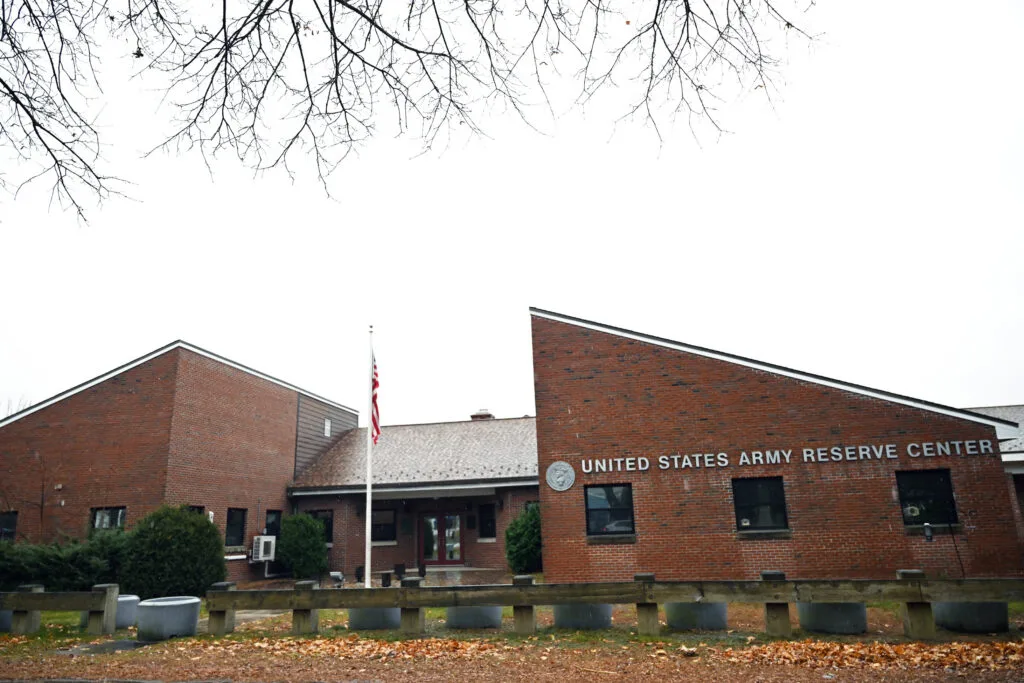
How did leaders of the Army Reserve respond to the many, clear warning signs about the Lewiston shooter, a part-time soldier who was in a dangerous, downward spiral? And why didn’t they take further action?
The Army has acknowledged some failures but also cast blame elsewhere. In Episode 3, we look at questionable medical decisions, missed communication and lack of follow up by the Army.
Finally, we’ll learn why the shooter’s family believes the military could do more to prevent brain injuries in troops.
Watch the ASL-interpreted video of this podcast episode below:
Latest Documentaries


Explore
Policies
Teacher Center

Jon and Jo Ann Hagler on behalf of the Jon L. Hagler Foundation
Corey David Sauer
Koo and Patricia Yuen
FRONTLINE is a registered trademark of WGBH Educational Foundation. Web Site Copyright ©1995-2025 WGBH Educational Foundation. PBS is a 501(c)(3) not-for-profit organization.
Funding for FRONTLINE is provided through the support of PBS viewers and by the Corporation for Public Broadcasting, with major support from Ford Foundation, and The Fialkow Family Foundation, as part of the Plum Bush Foundation. Additional funding is provided the Abrams Foundation, Park Foundation, John D. and Catherine T. MacArthur Foundation, Heising-Simons Foundation, and the FRONTLINE Trust, with major support from Jon and Jo Ann Hagler on behalf of the Jon L. Hagler Foundation, and Corey David Sauer, and additional support from Koo and Patricia Yuen. FRONTLINE is a registered trademark of WGBH Educational Foundation. Web Site Copyright ©1995-2025 WGBH Educational Foundation. PBS is a 501(c)(3) not-for-profit organization.