Boom Town
September 28, 2017
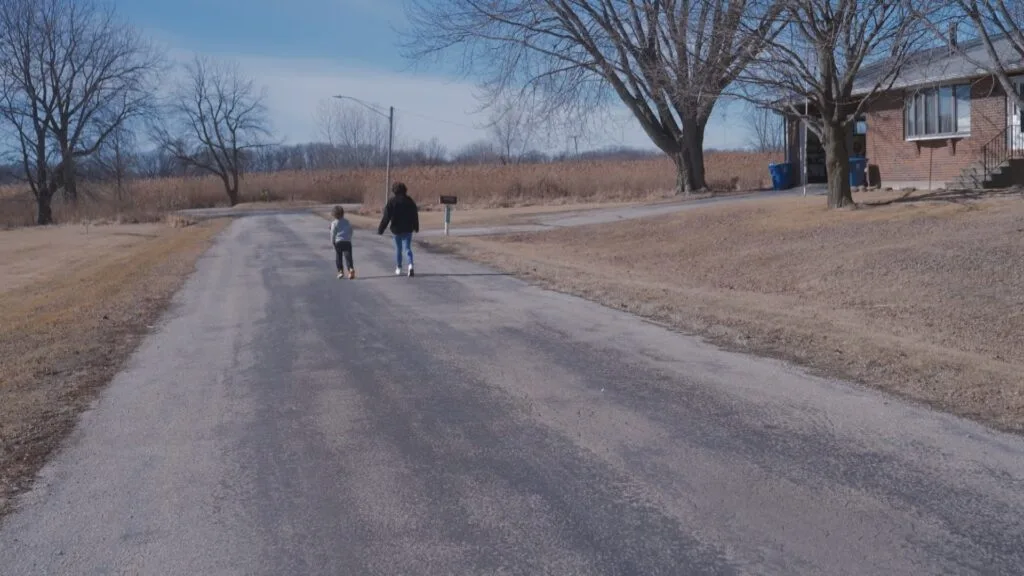
In 2016, a 5.0 magnitude earthquake hit the small town of Cushing, Oklahoma, severely damaging the town. Cushing isn’t the type of place that’s supposed to have such a problem with earthquakes. Until about 2009, they only had one or two a year. But in the last few years, tied to an increased use of wastewater disposal (a by-product of the oil industry) the number of earthquakes has risen dramatically, and now Cushing, along with much of Oklahoma, shakes hundreds of times a year.
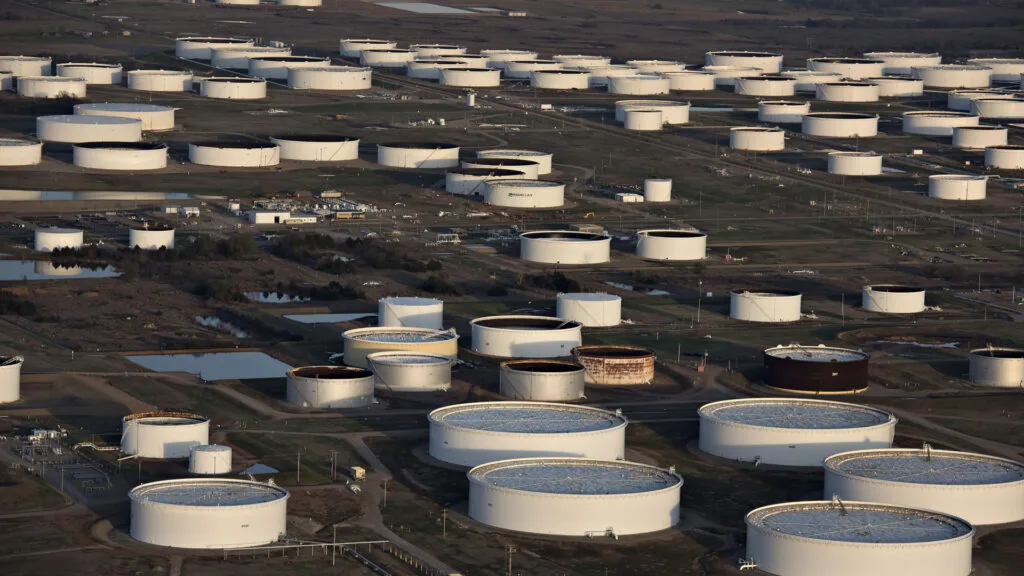
Cushing is a major hub of American oil — known as “the pipeline crossroads of the world,” the Keystone XL and many other major pipelines run beneath it, and above ground, the town stores tens of millions of barrels of oil in its tank farms. Oil is the town’s economic lifeblood, and so the big quake, and the question of who to hold responsible for it, caused real division between neighbors.
In this episode of The FRONTLINE Dispatch, reporter Sandy Tolan goes to Cushing to find out how the earthquakes impact a town built on oil.
This story was produced by Jamie York and Sophie McKibben.
Latest Documentaries



Explore
Policies
Teacher Center

Jon and Jo Ann Hagler on behalf of the Jon L. Hagler Foundation
Corey David Sauer
Koo and Patricia Yuen
FRONTLINE is a registered trademark of WGBH Educational Foundation. Web Site Copyright ©1995-2025 WGBH Educational Foundation. PBS is a 501(c)(3) not-for-profit organization.
Funding for FRONTLINE is provided through the support of PBS viewers and by the Corporation for Public Broadcasting, with major support from Ford Foundation, and The Fialkow Family Foundation, as part of the Plum Bush Foundation. Additional funding is provided the Abrams Foundation, Park Foundation, John D. and Catherine T. MacArthur Foundation, Heising-Simons Foundation, and the FRONTLINE Trust, with major support from Jon and Jo Ann Hagler on behalf of the Jon L. Hagler Foundation, and Corey David Sauer, and additional support from Koo and Patricia Yuen. FRONTLINE is a registered trademark of WGBH Educational Foundation. Web Site Copyright ©1995-2025 WGBH Educational Foundation. PBS is a 501(c)(3) not-for-profit organization.