A bill that would allow women to avoid passing deleterious genetic defects along to their children has passed 382-128 in the United Kingdom’s House of Commons. The historic decision is expected to pass in the House of Lords (Parliament’s upper chamber), too, making it likely that the U.K. will be the first country in the world to allow the procedure, which has been controversial in both scientific and non-scientific circles.
Here’s Ewen Callaway, writing for Nature:
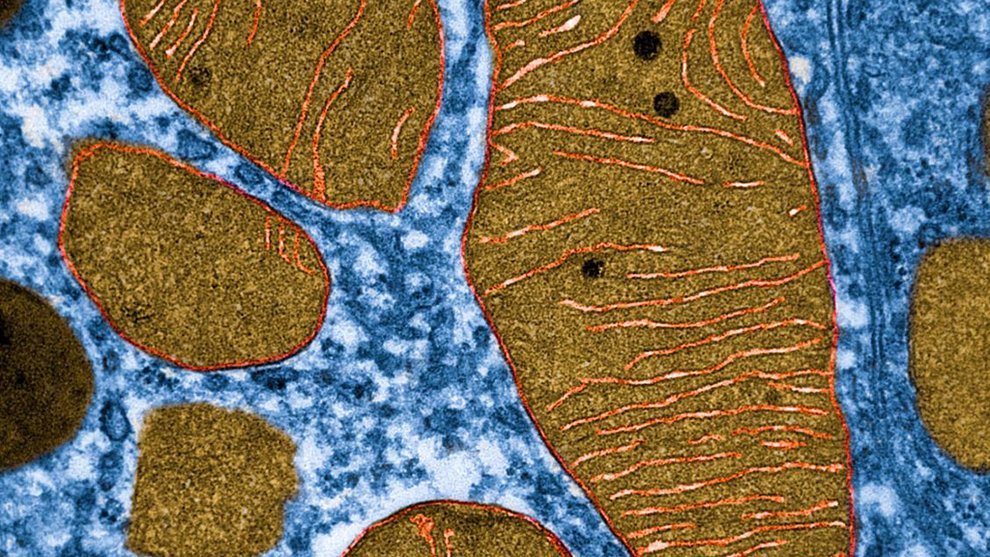
This technique, known as mitochondrial replacement or three-person in vitro fertilization, aims to prevent women passing on harmful mutations in their mitochondria, the cell’s energy-producing structures. An estimated 1 in 5,000 children are born with diseases caused by such mutations, which typically affect power-hungry tissues such as the brain, heart and muscles. All mitochondrial DNA is inherited from the mother, and some women carry harmful mitochondrial mutations without experiencing symptoms themselves.
“It’s great news for the patients with mitochondrial disease. It gives them real hopes and that’s just fantastic,” says Doug Turnbull, a neurologist at Newcastle University, UK, who has led the effort to bring mitochondrial replacement to the clinic.
It’s estimated that more than 2,000 U.K. women who carry disease-causing mutations in their mitochondrial DNA could benefit from this new procedure. In the United States, the demand is high, too; up to 4,000 children are born each year with life-threatening ailments, such as diabetes, Leigh syndrome, and various neuromuscular diseases, caused by these mutations. A similar technique introduced here in the 1990s (but suspended shortly thereafter) allowed for
a limited number of children—less than 100—to be born risk-free. The American Institute of Medicine plans to write a report on the ethics of mitochondrial replacement before it can be considered a viable option in the U.S.

The procedure can work one of two ways: in one method, the nucleus from a mother’s egg cell is fertilized with a father’s sperm and then inserted into a donor’s egg that contains only normal mitochondria (and has had its nucleus removed). In the other method, the spindle of chromosome from a mother’s unfertilized egg is added to an unfertilized donor egg (that’s had its spindle removed). The resulting egg then goes through in vitro fertilization and becomes an embryo.
Some opponents of the U.K. decision argue that it opens the door to ethically complicated issues like “designer babies,” selected for attractiveness or strength. But the dividing line between mitochondrial replacement and anything akin to this, scientists say, is clear. Though children born through mitochondrial replacement technically have three “parents,” only 0.1% of the child’s DNA actually comes from a third party. And mitochondrial DNA has no bearing on our genetic identity—it merely allows the body to have enough energy to live. Still, others object to the procedure for religious reasons because it involves destruction of an embryo.
While ethical questions will proliferate as they do in most medical situations, the U.K.’s Human Fertilization and Embryology Authority (HFEA) will investigate ways to regulate the technique’s use, as well as determine its overall safety. Here’s James Gallagher, writing for BBC News:
Dr Ted Morrow, from the University of Sussex, believes there are still uncertainties.
“I have some concerns about the safety, I’m really not happy that the reviews have been as exemplary as other people think they are.”
Prof Lisa Jardine, former chair of the HFEA, said the safety issue was a “red herring”.
“All of those issues have been investigated,” she said. “The scientific committees have said there is no evidence this procedure is unsafe but like all good scientists, they say it will require careful progress.”
While it might take some time for the procedure to become available to those who live in the U.K., the vote may be a catalyst for other countries wishing to adopt the new technique, too.
