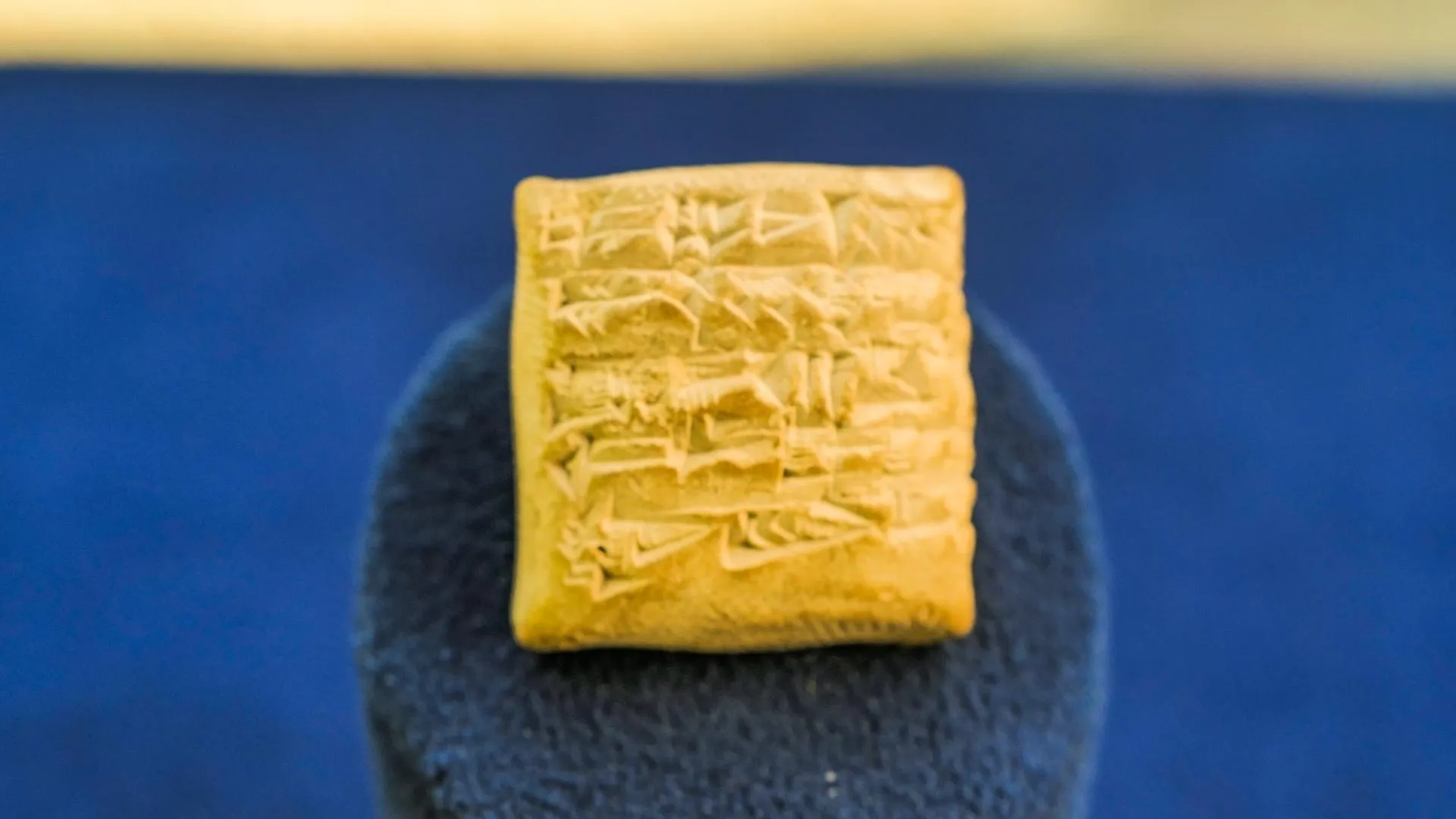
2038 BCE Sumerian Cuneiform Tablet
GUEST: Well, it's a cuneiform tablet from Mesopotamia, came through the family. So, all I know is family lore on it. A great-uncle was a British officer in Iraq around the late 1800s, early 1900s...
APPRAISER: Oh, wow.
GUEST: ...and there was some insurrection that was going on, and family lore has it that he was stabbed to death, and then his stuff was sent back to England, and presumably this came with that.
APPRAISER: Ah, okay.
GUEST: I've lived and worked all over the Middle East, so I was quite aware of what it was. I might know a little Arabic, but I don't know how to read cuneiform. (chuckles)
APPRAISER: Cuneiform is one of the earliest, if not the earliest, writing systems. What they did was they took clay and they pressed it with reeds to create these pictographs, and the language was born. And because of cuneiform, small villages were able to advance in complexity into urban city states. Probably it's around 2100 BC, 2200 BC, so making it over 4,000 years old. It's written on all sides. It's completely intact. Y-you sometimes have these referred to as biscuits, because of their shape. I actually did email a photograph of it to a colleague of mine...
GUEST: Yes?
APPRAISER: ...who's a scholar.
GUEST: Yeah?
APPRAISER: ...and I do have an exact translation of it.
GUEST: (laughs)
APPRAISER: It's an Ur III administrative tablet, dating to year nine of King Amar-Suen of Ur in the third month, and it accounts for barley rations to be ground into the goats and taken to the granary by the officials in Igi-Shara. The transaction was conducted through Lugina.
GUEST: Oh.
APPRAISER: Which would've been the center. Yeah, so, it's...
GUEST: (chuckles)
APPRAISER: ...it was in a beautiful little protective box.
GUEST: Yeah.
APPRAISER: And in the little box, I saw a card. It helps us today, because that card had a date on it of 1916.
GUEST: And today was the first time I've seen that.
APPRAISER: It's a documentation that, that puts the collection history of this pre-UNESCO, which was where they protected all the cultural artifacts.
GUEST: Yeah.
APPRAISER: And also with all of the recent... turmoil in the Middle East, you know, there's been looting. So, provenance for these items, it's-- it gets tricky. But this is absolutely 100% safe in the marketplace because the little card is dated to the early part of the 20th century. And I believe that little card was written by an Assyriologist at Yale University, Albert Clay.
GUEST: Is that right?
APPRAISER: He was a very early language expert. Because of the great provenance, if I were to insure it, I would say $3,000.
GUEST: Wow. Wow, that's very interesting. It's not for sale.
APPRAISER: And now it'll be in the world cuneiform database.
$3,000 - $3,000 Insurance
Photos
Featured In
episode
Grant's Farm, Hour 3
Catch a crop of ROADSHOW discoveries in our final hour at scenic Grant’s Farm in St. Louis, Missouri! — Mon, May 11, 2026
Clay
appraisal
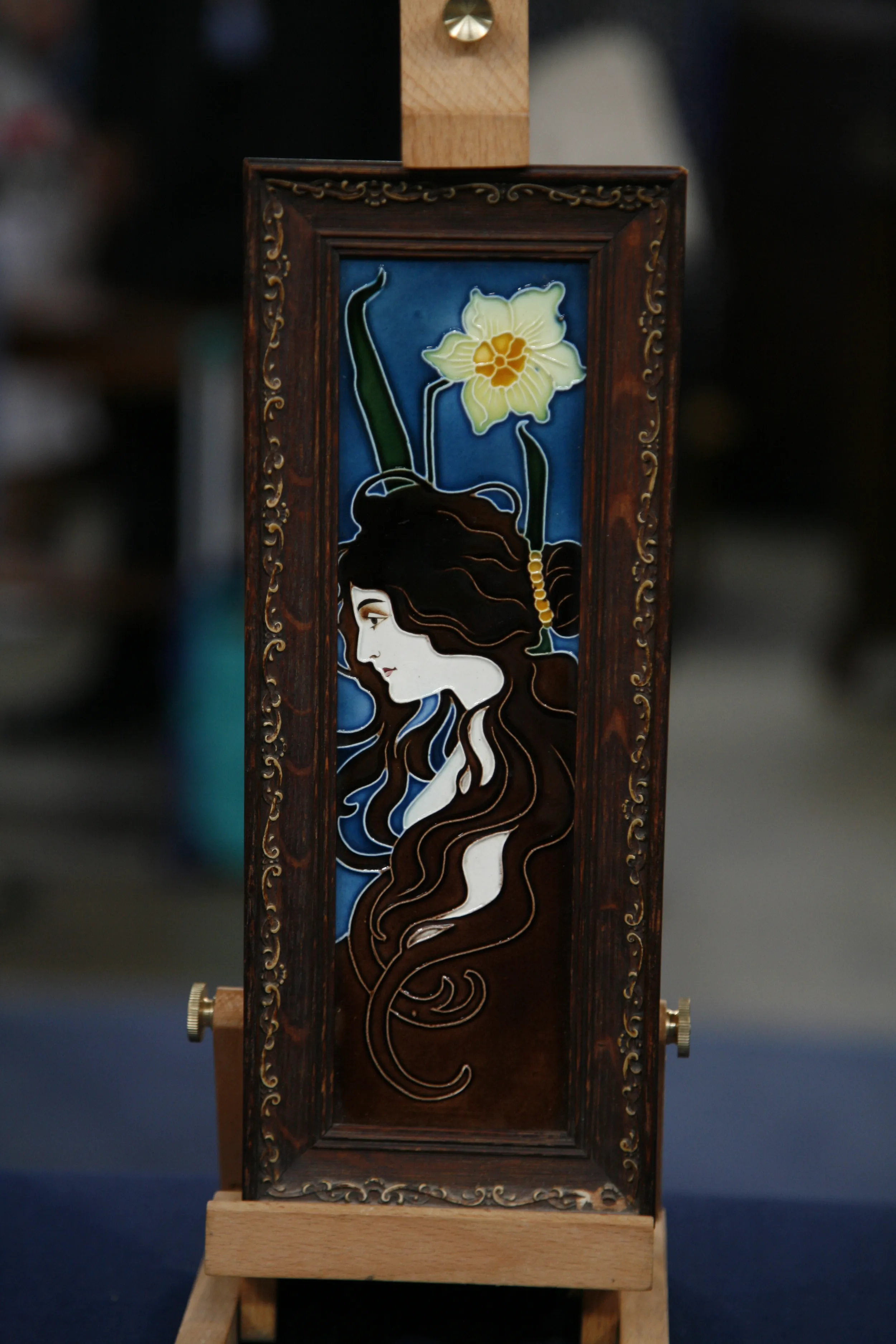
Johann von Schwarz Framed Tile, ca. 1900
appraisal
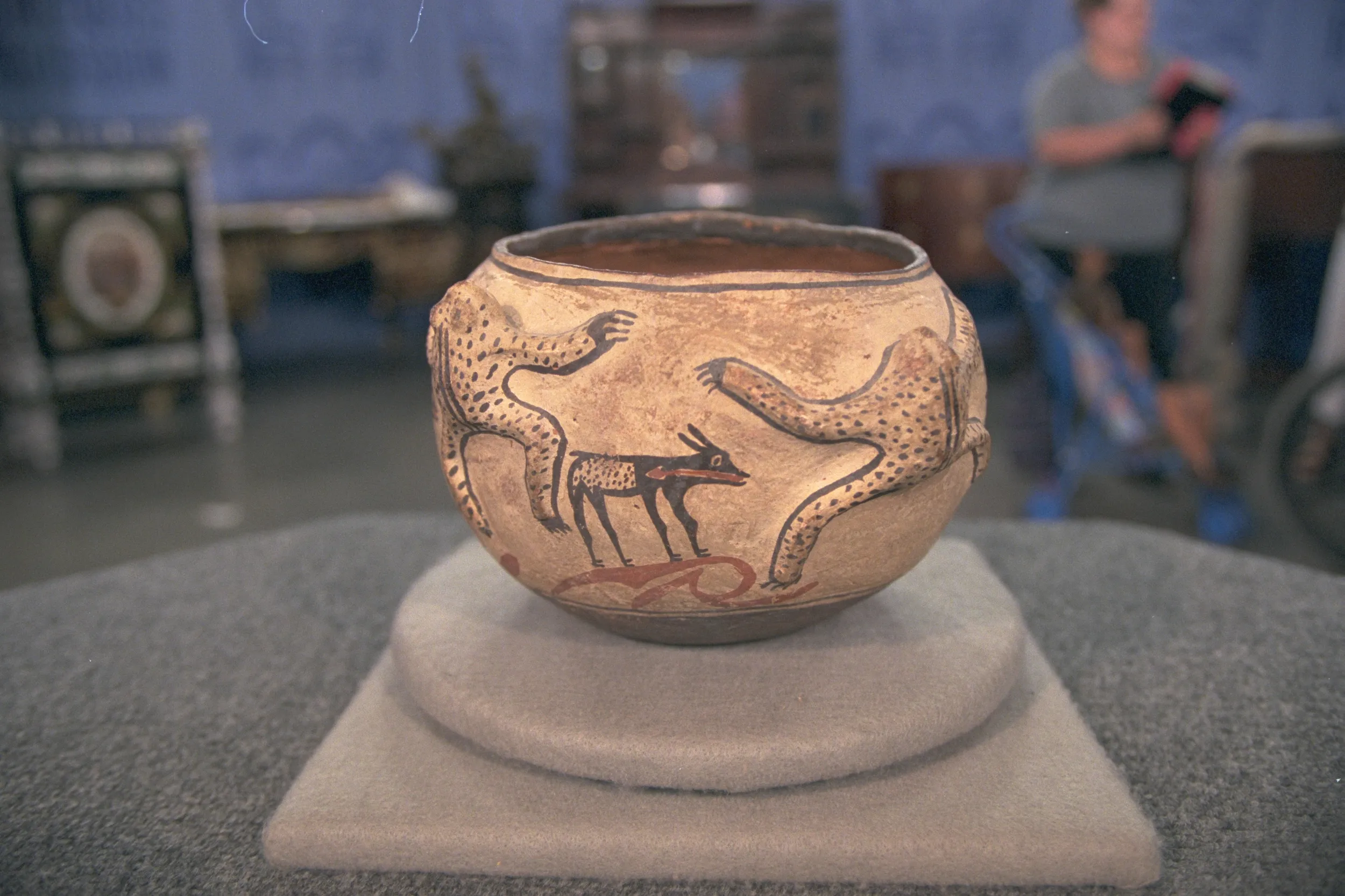
Zuni Frog Pot, ca. 1880
appraisal

appraisal
Understanding Our Appraisals
Executive producer Marsha Bemko shares her tips for getting the most out of ANTIQUES ROADSHOW.
Value can change: The value of an item is dependent upon many things, including the condition of the object itself, trends in the market for that kind of object, and the location where the item will be sold. These are just some of the reasons why the answer to the question "What's it worth?" is so often "It depends."
Note the date: Take note of the date the appraisal was recorded. This information appears in the upper left corner of the page, with the label "Appraised On." Values change over time according to market forces, so the current value of the item could be higher, lower, or the same as when our expert first appraised it.
Context is key: Listen carefully. Most of our experts will give appraisal values in context. For example, you'll often hear them say what an item is worth "at auction," or "retail," or "for insurance purposes" (replacement value). Retail prices are different from wholesale prices. Often an auctioneer will talk about what she knows best: the auction market. A shop owner will usually talk about what he knows best: the retail price he'd place on the object in his shop. And though there are no hard and fast rules, an object's auction price can often be half its retail value; yet for other objects, an auction price could be higher than retail. As a rule, however, retail and insurance/replacement values are about the same.
Verbal approximations: The values given by the experts on ANTIQUES ROADSHOW are considered "verbal approximations of value." Technically, an "appraisal" is a legal document, generally for insurance purposes, written by a qualified expert and paid for by the owner of the item. An appraisal usually involves an extensive amount of research to establish authenticity, provenance, composition, method of construction, and other important attributes of a particular object.
Opinion of value: As with all appraisals, the verbal approximations of value given at ROADSHOW events are our experts' opinions formed from their knowledge of antiques and collectibles, market trends, and other factors. Although our valuations are based on research and experience, opinions can, and sometimes do, vary among experts.
Appraiser affiliations: Finally, the affiliation of the appraiser may have changed since the appraisal was recorded. To see current contact information for an appraiser in the ROADSHOW Archive, click on the link below the appraiser's picture. Our Appraiser Index also contains a complete list of active ROADSHOW appraisers and their contact details and biographies.