Charles Loloma: Artist and Innovator
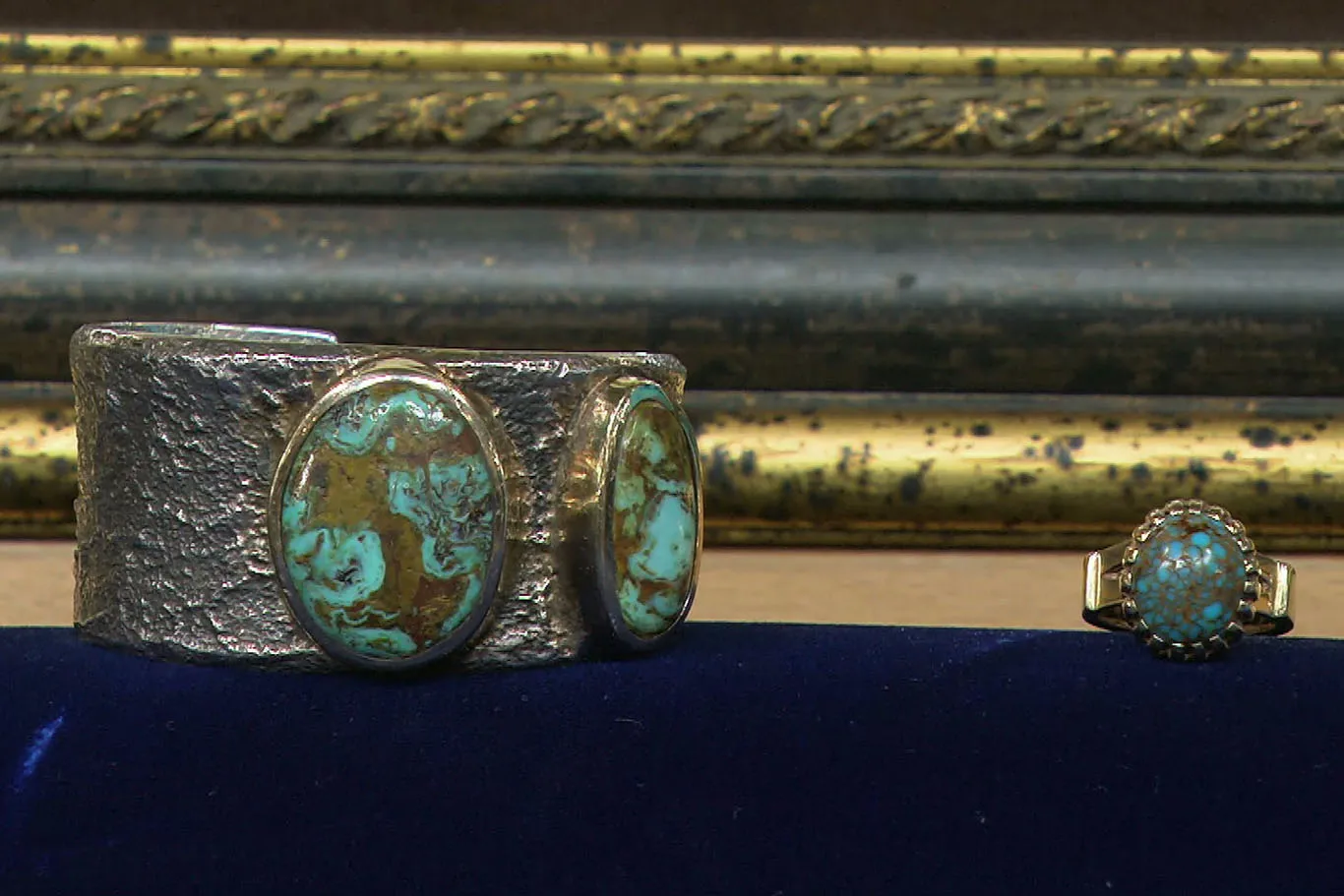
At the June 2015 ROADSHOW in Tucson, [Douglas Deihl](http://www.pbs.org/wgbh/roadshow/appraisers/douglas-deihl), of Boston’s Skinner Auctioneers, estimated a Charles Loloma ring, bracelet, and limited-edition print would bring between $25,200 and $32,600 at auction. But how much do you know about this groundbreaking Native artist?
Apr 4, 2016
BY Ben Phelan
Although he would eventually play a large role in bringing Native American arts and crafts into the mainstream of American culture, Charles Loloma (1921-1991) was initially rejected by the Native American arts establishment. It’s pretty, he was told, again and again, when he presented his work to Native American curators. But it’s not Indian. As a Hopi Indian, Loloma produced art that partook of some elements that were long established in the Native American tradition, rejected others, and brought in strange new influences never before seen. That the pieces of jewelry appraised at the Tucson event may not look particularly transgressive of Native conventions (to the untrained eye at least) is a testament to Loloma’s deep influence on the culture. Our own expectations of what is, and what is not, Native art have been conditioned by Charles Loloma.
Our own expectations of what is, and what is not, Native art have been conditioned by Charles Loloma
As explained by Diana Pardue, in Contemporary Southwestern Jewelry, Charles Loloma can take more credit than any other artist for changing the look of contemporary Native American jewelry. Before Loloma introduced a range of new techniques and materials, Native artists tended to work from a tightly prescribed menu: jet and turquoise, coral and shells, silver. Over his career, Loloma integrated a modern sensibility with traditional Native lines, incorporating such unusual materials as lapis lazuli, the bright purple sugilite and charolite, malachite, tourmaline, and even fossil ivory harvested from the long-dead corpses of woolly mammoths.
Loloma got an early start. When only 17 years old, Loloma was tapped by Fred Kabotie, an older, more established Hopi artist, to help paint a mural for the 1939 Golden Gate International Exposition, in San Francisco. Although Loloma was a skilled visual artist, as evidenced by the Tucson print, his primary interest at the time was ceramics. Right away, even at a young age, Loloma showed that he had little time for observing strict boundaries between artistic traditions; he took his formal training in ceramics at the School for American Craftsmen at Alfred University, a course of study totally distinct from the Native traditions in which he was raised.
As his skills flourished and evolved, Loloma discovered that while he was a gifted potter and ceramicist, it was in jewelry-making that he would make his mark, though his innovations were not warmly received by some other Native artists, not at first. One technique that was at odds with Hopi tradition can clearly be seen in the bracelet appraised in the segment: The rough, irregular surface of the piece is created not by traditional metalworking techniques, but by tufa-casting, or pouring molten metal into a carved-out length of volcanic stone. Ironically, this signature technique has made Loloma’s work susceptible to counterfeiting, particularly as its value has risen. Because the textures produced by tufa-casting are unpredictable and irregular, there is little continuity from one piece to the next. It can take a skilled eye, and iron-clad provenance, to demonstrate that a Loloma piece is really by Loloma.
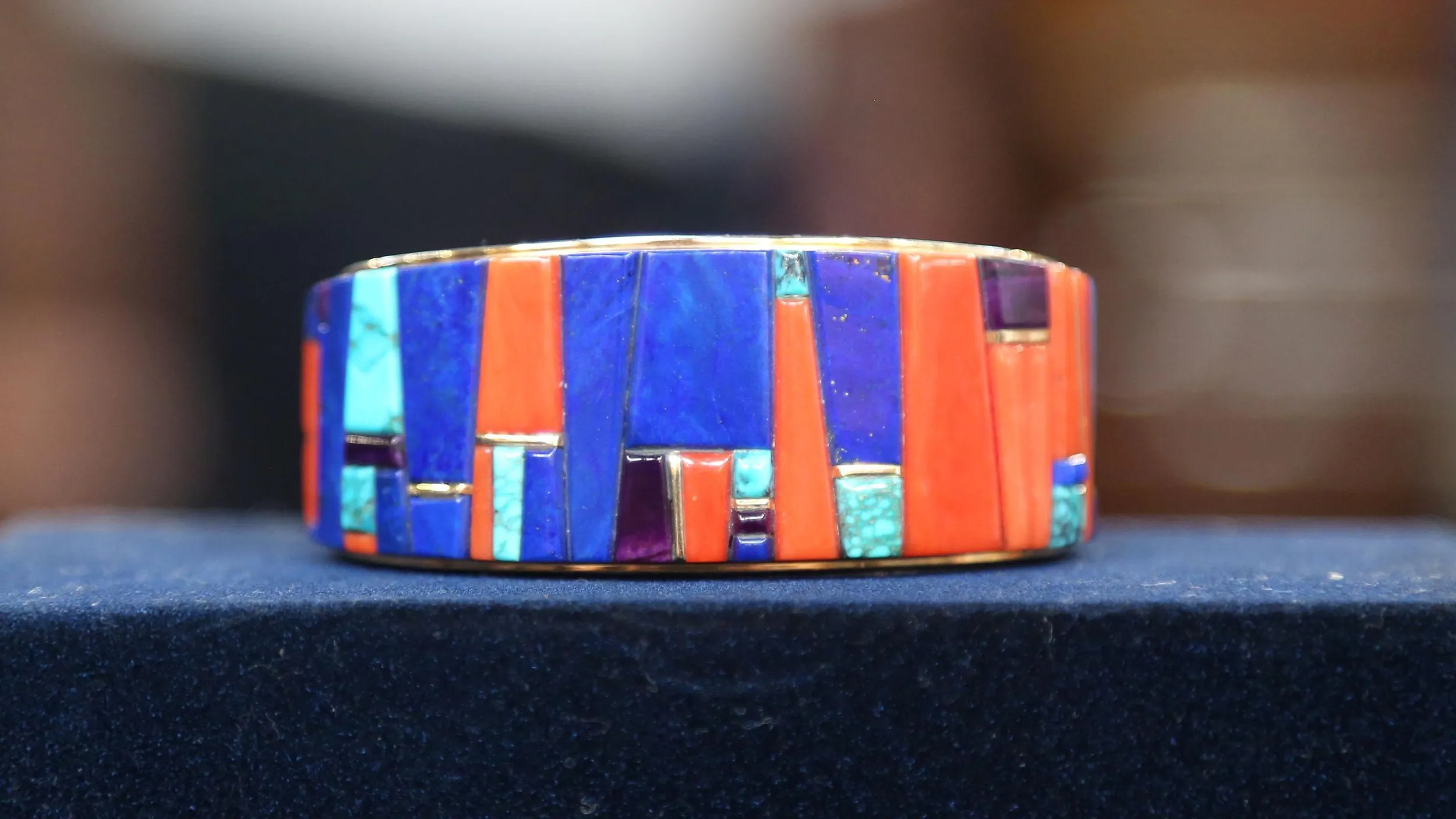
Later on, Loloma began to group the gems, minerals, and mineraloids adorning his bracelets into rectilinear groups, more reminiscent of a Mondrian canvas than of a piece of Native American craft. Yet in the uneven edges produced by the juxtaposition of these stones, a sensitive eye could make out the mesas, bluffs and canyons of the Hopi country in which Loloma was raised. Often, Loloma would decorate the inside of the bracelet — the part held against the skin — with lovelier designs than appeared to the outside observer. “I like to think of the linings as the soul,” he explained. “A piece of art should be full of surprises, like a person. When you look inside, you should find excitement. If there is beauty in a piece of art, a person can absorb it and become more beautiful.”
When he was growing up on the Hopi reservation in the 1920s, Loloma’s father was a weaver and his mother a basket maker. Those media have found a place in the modern art world now, but were little valued at the time. His parents did not live to see their crafts bestowed mainstream acceptance, but Loloma was luckier.
Native American designs, largely thanks to Loloma, have come to feature prominently across the arts, even in such distant media as fashion. In the 1970s, as Diana Pardue points out, the elite couture houses Calvin Klein and Ralph Lauren notably incorporated into their clothing an aesthetic that was clearly Native American, and clearly inspired by Loloma. And so ironically, at the beginning of Loloma's career, critics had told him that his art wasn't "Indian enough"; yet when his vision was transformed and imported into the fashion world, it came to typify Native American-ness. That vision then cycled back into "traditional" Native American art, and the world that had pronounced Loloma's work pretty but essentially foreign found itself transformed. And transformation is a hallmark of all true artistry.
Related
See the full segment page for this item in our Appraisal Archive
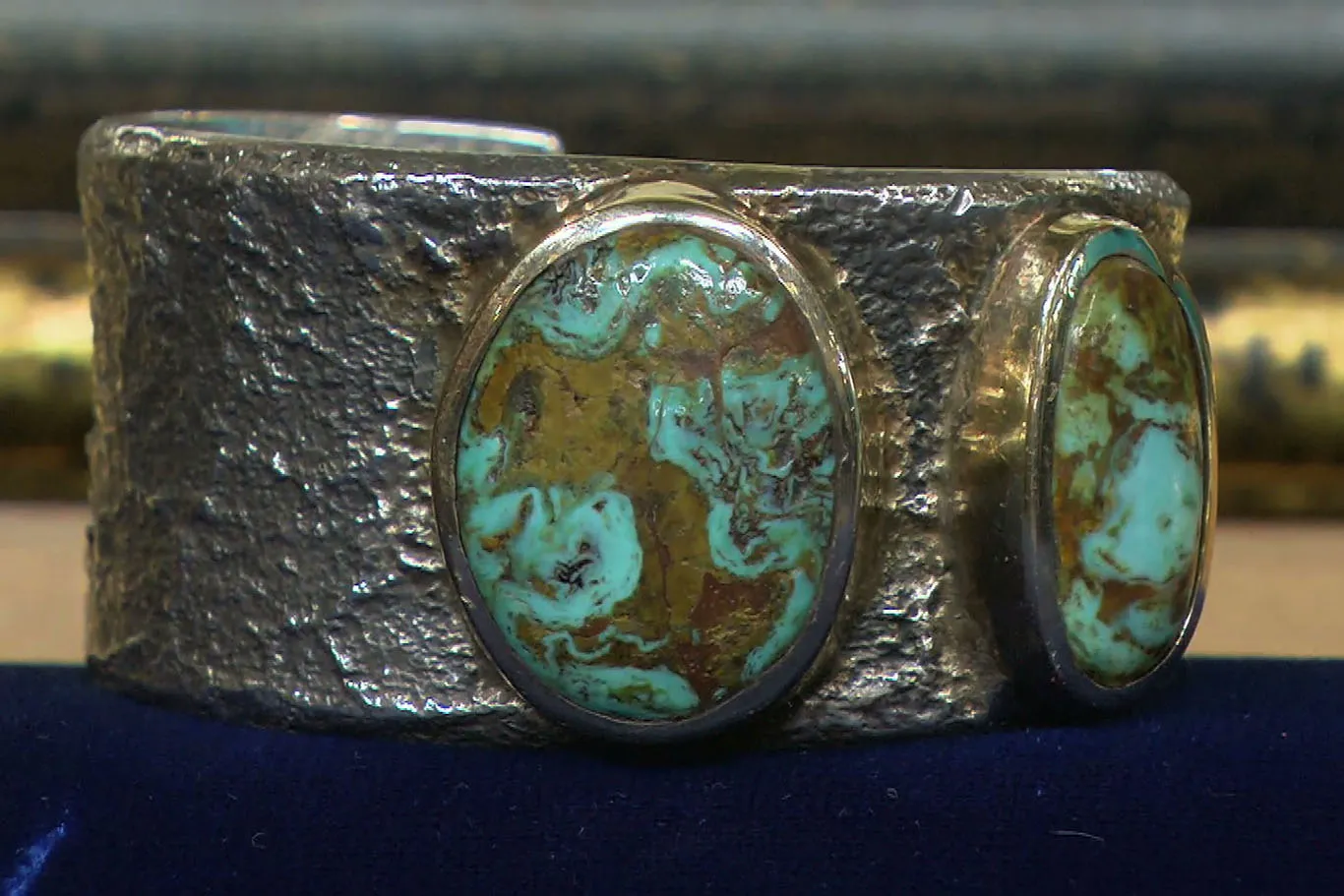
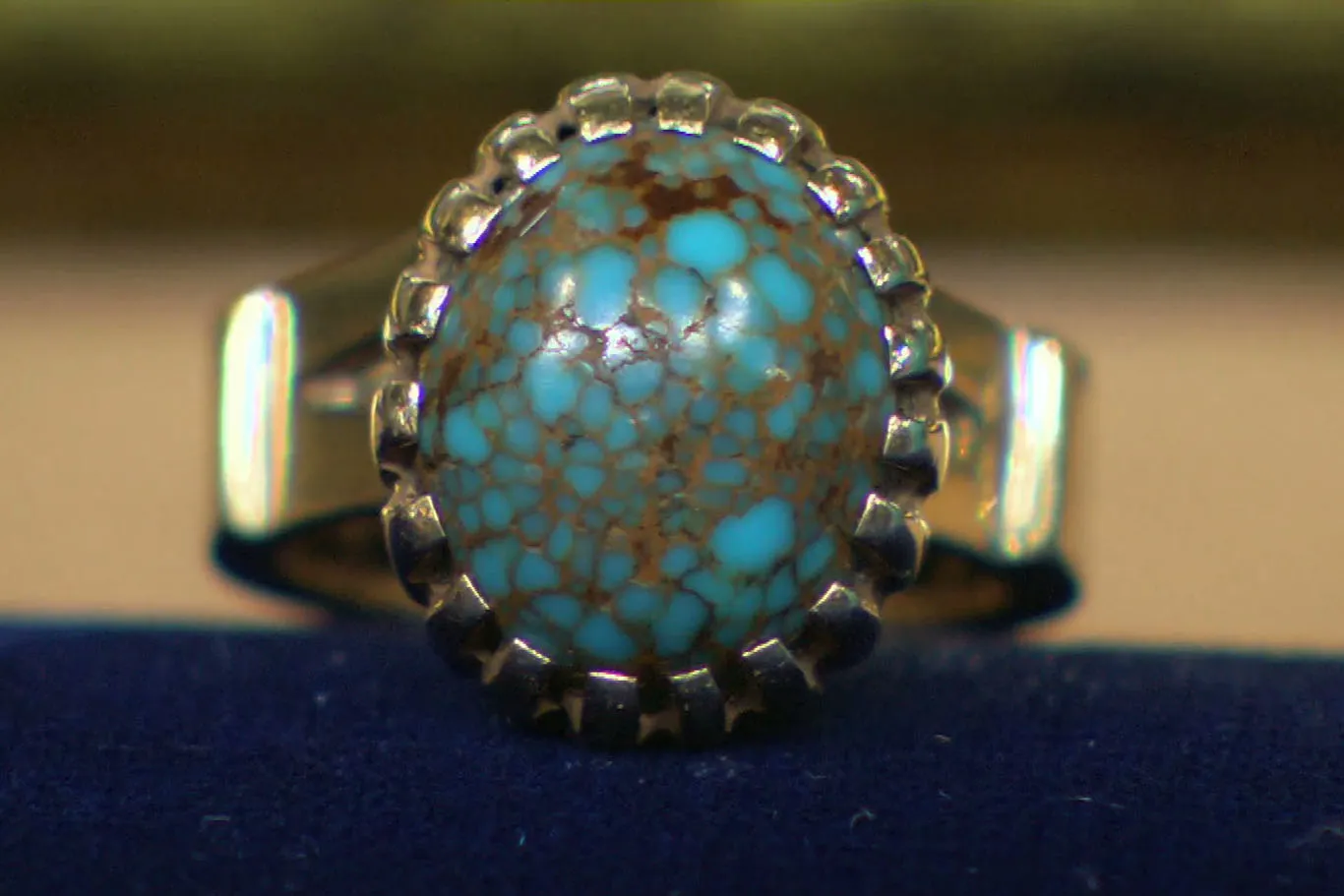
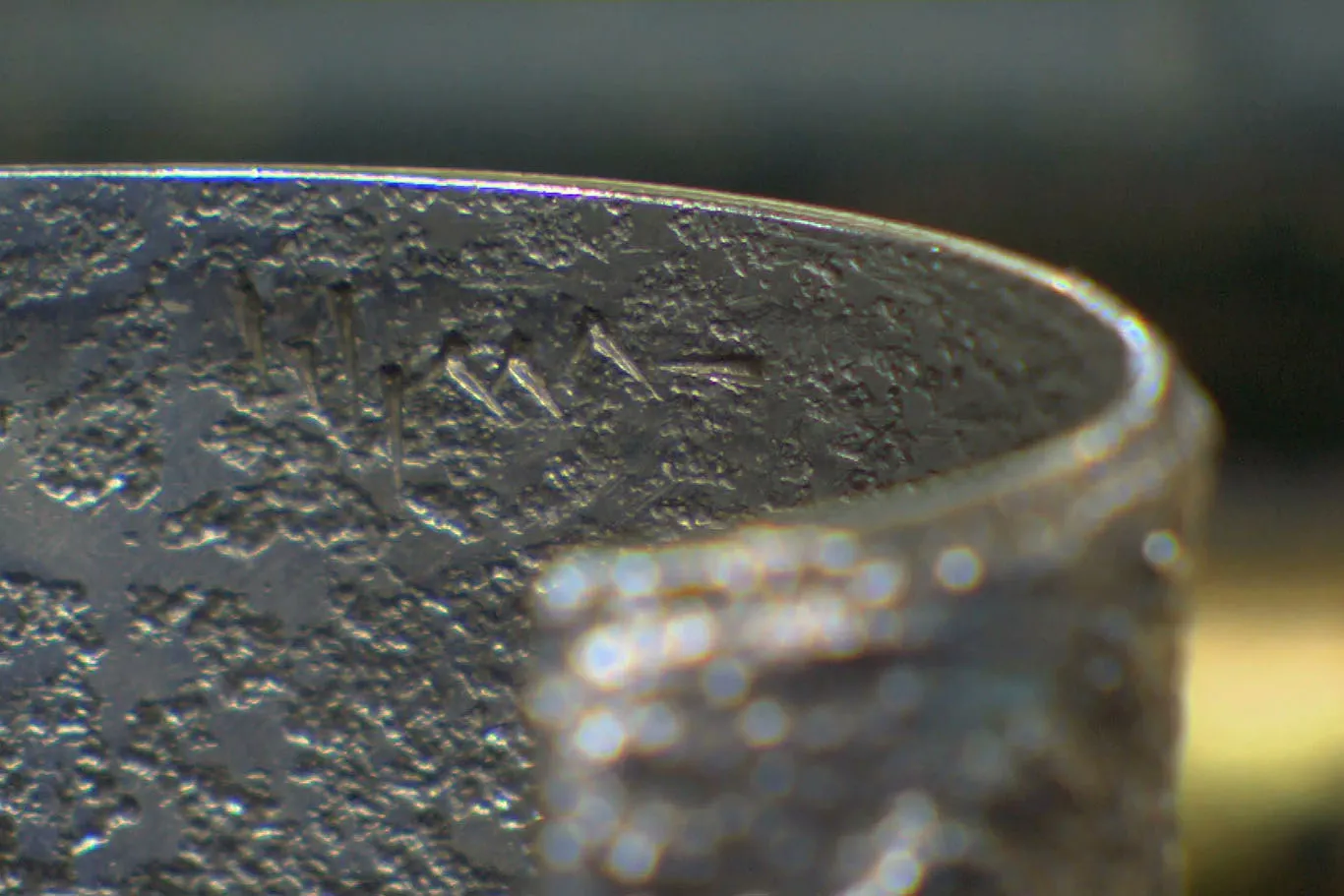
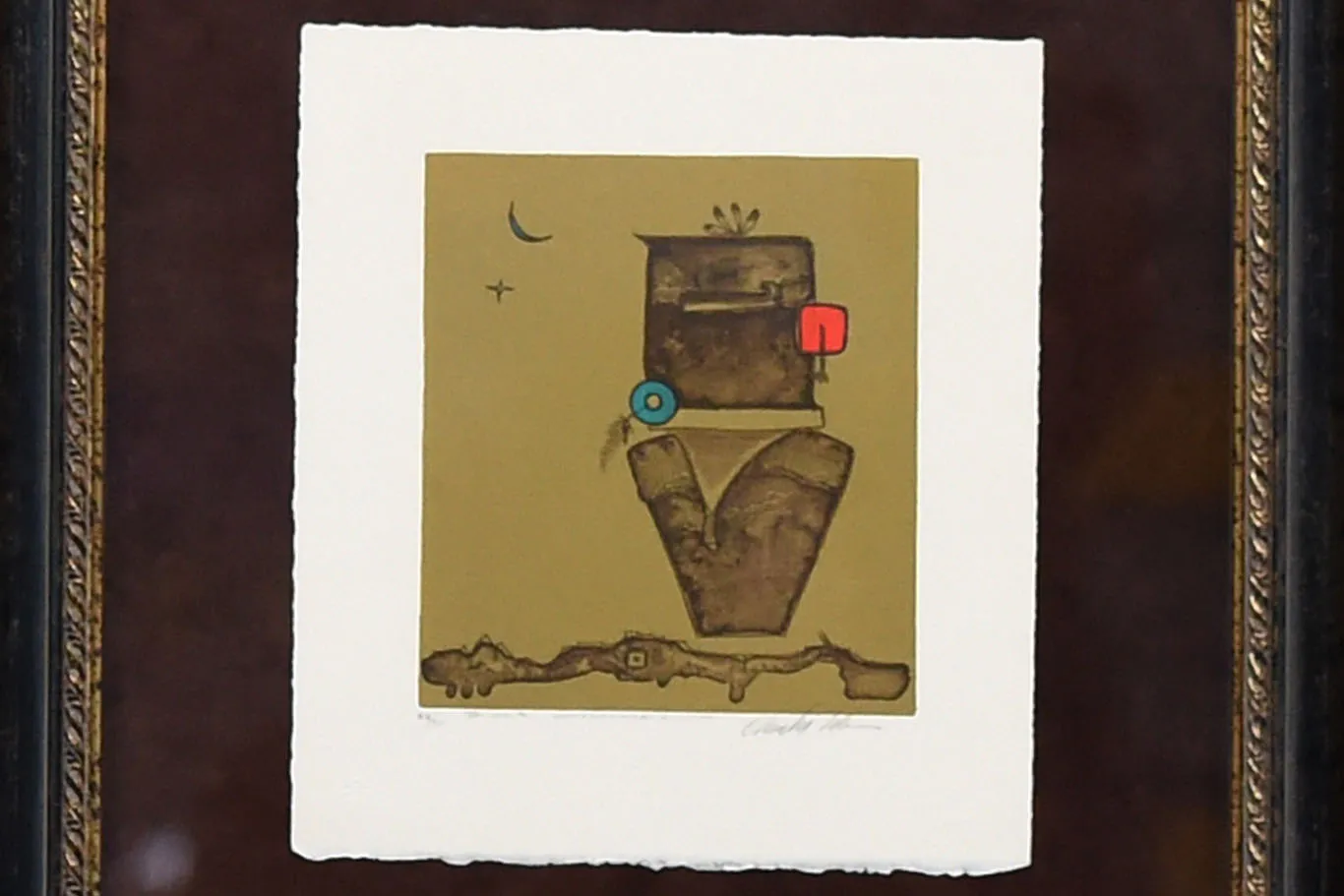
It was in jewelry-making that Loloma would make his mark.
Ben Phelan is a freelance writer in Louisville, Kentucky. He has been a contributor to ANTIQUES ROADSHOW Online since 2007.