WWII James F. Brown Comic Art
GUEST: I brought in some drawings. My great uncle was a World War II cartoonist. He came from a little town in Missouri, Gower, Missouri. And so these are some of his original drawings
APPRAISER: I did a little research. He enlisted in 1942 in the Army. He'd been a cartoonist previously. He'd worked for a couple of newspapers in the hometown that he came from. He was a PFC but he ended up with General Patton's Third Army. So throughout the war he's incredibly talented, really well developed for a young kid. Here's the picture of him. He doesn't seem to be that old at the time. What I like about it, it's as good as it gets artistically and with the cartoon narrative. And yet, going forward into the war, he goes through engagements, and I see that he was killed in 1945 in action in Germany.
GUEST: Yes.
APPRAISER: And so you look at that, and you wonder about the undeveloped youth. Where would he have gone if he hadn't been at a dangerous place at the wrong time in 1945? If you look here, this is a great cartoon. There's a callow-faced GI, a little bit of his age, who's bragging to one of the village kids in France about how he scared the Nazis away and yet they're right above him. Very well drawn, it's got good tonality. Crisp. Clear. A lot of these were shown actually throughout the war in Stars and Stripes magazine and Yank magazine. When you look at the artwork, there's a little bit of a dark edge to it. He's making light of incredible tragedy around him day by day.
GUEST: Right.
APPRAISER: Have you had them appraised, or have you had them looked at?
GUEST: No, they were just handed down through family and ended up with us. And really no attention was ever drawn to them. They were just in a box. We got them and then I just... I appreciated them because I thought it was a real honor to have it on his behalf.
APPRAISER: I don't know how many of the correspondents and cartoonists were killed in the war. There were not many who had risen to the level of Yank and Stars and Stripes magazine. So he's kind of in a select group of famous people who were killed in that capacity. In a way, because he was killed during the war, there's an undeveloped market for his work. However, you look at the caliber of the artistry, and I would say that most likely that at auction the group with the entire notebook, with his photos, et cetera would probably sell between $2,000 and $3,000.
GUEST: Great.

$2,000 - $3,000 Auction
Nostalgic Collectibles
appraisal
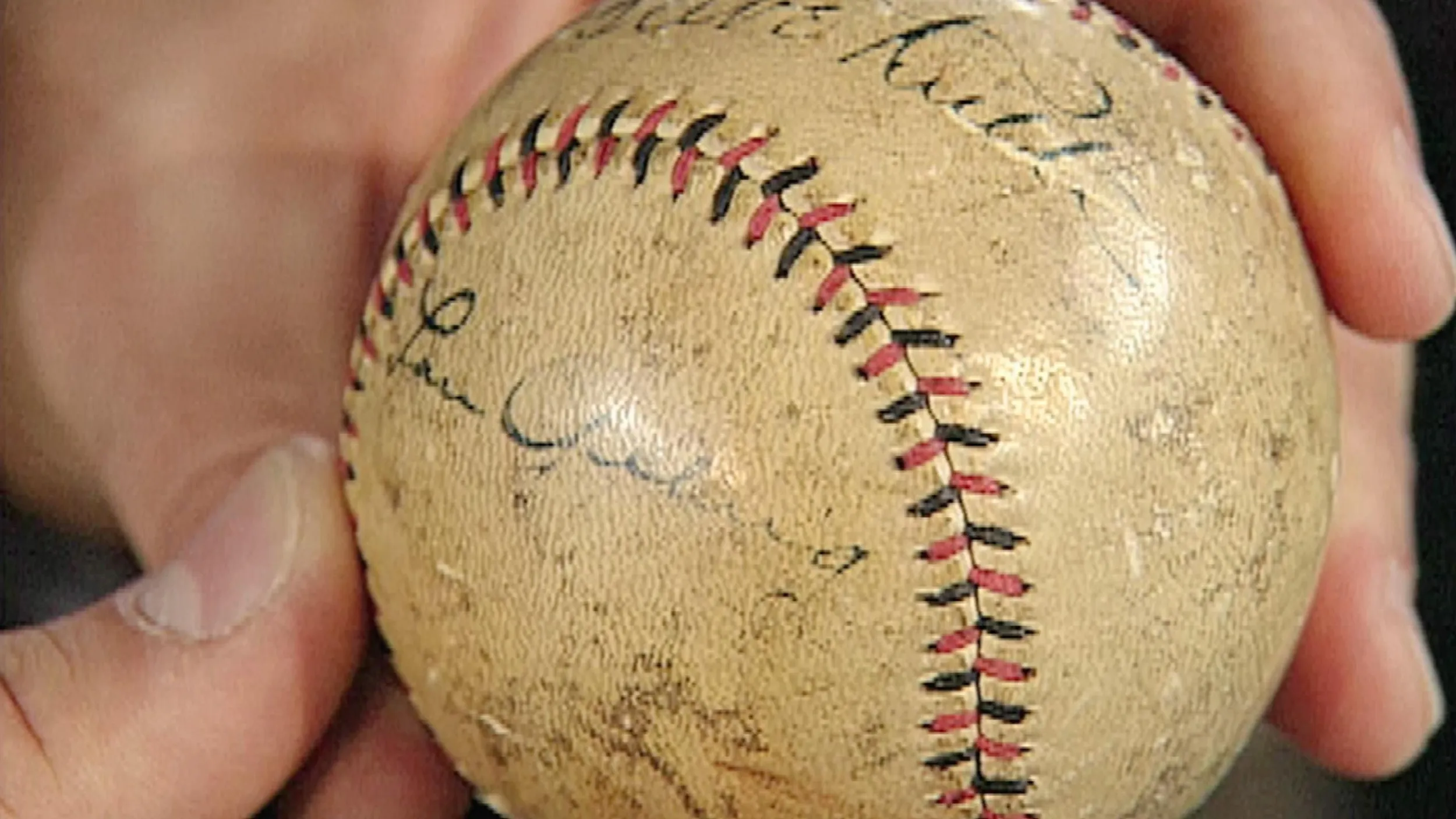
1927 Babe Ruth & Lou Gehrig-signed Baseball
appraisal
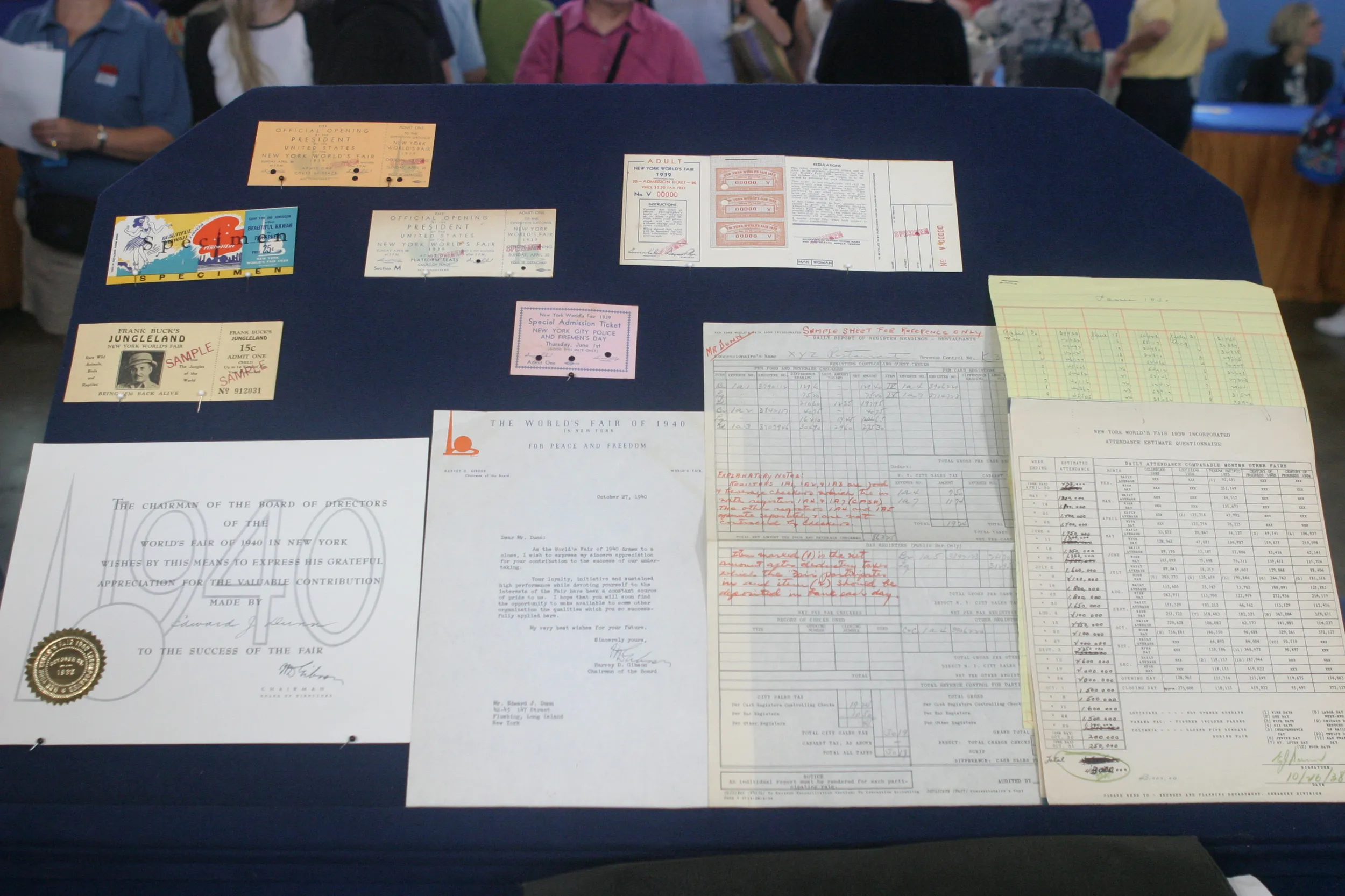
1939-40 World's Fair Ephemera

appraisal
Zeenut Baseball Cards, ca. 1915
appraisal
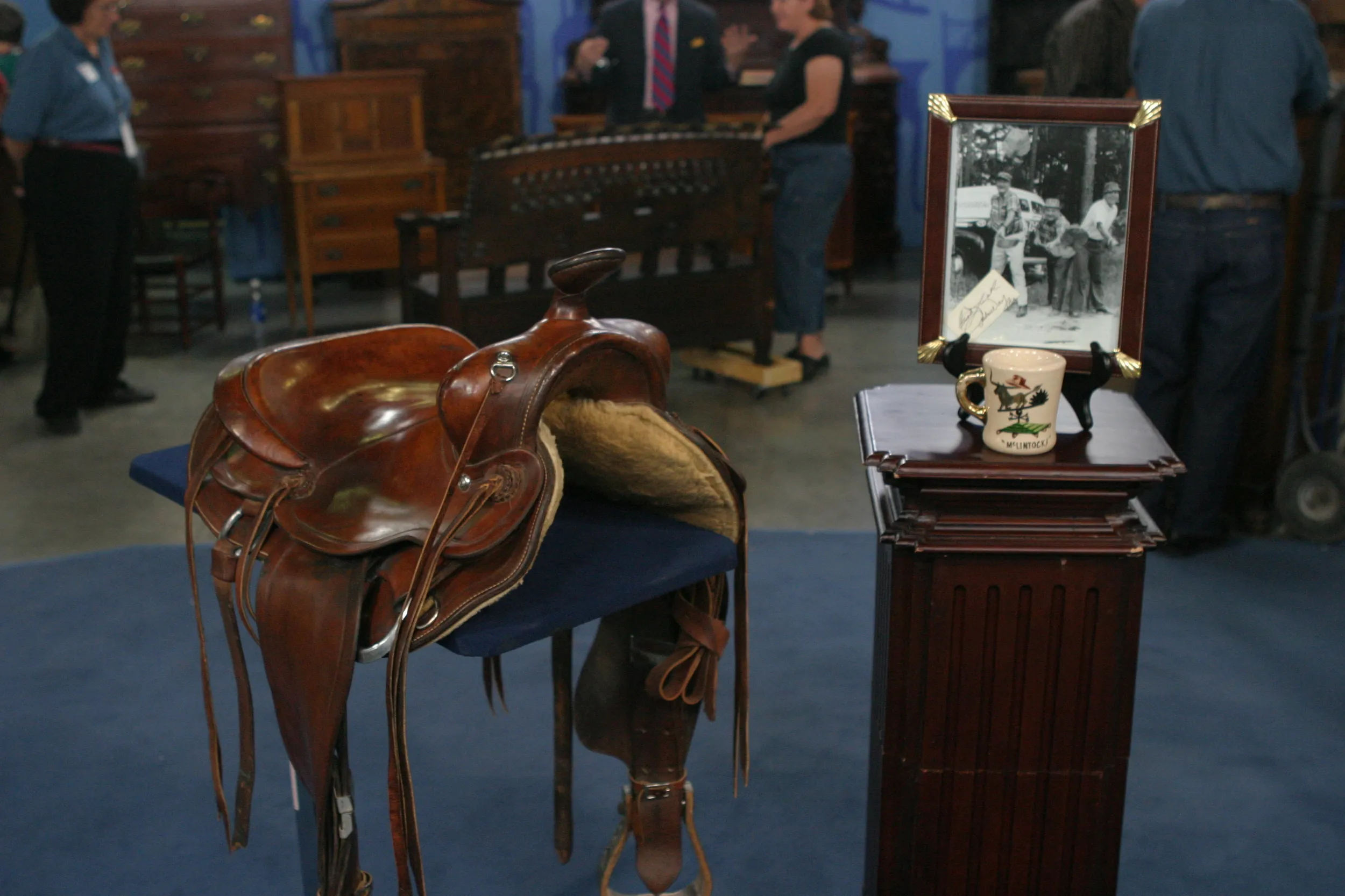
John Wayne Memorabilia, ca. 1950
Understanding Our Appraisals
Executive producer Marsha Bemko shares her tips for getting the most out of ANTIQUES ROADSHOW.
Value can change: The value of an item is dependent upon many things, including the condition of the object itself, trends in the market for that kind of object, and the location where the item will be sold. These are just some of the reasons why the answer to the question "What's it worth?" is so often "It depends."
Note the date: Take note of the date the appraisal was recorded. This information appears in the upper left corner of the page, with the label "Appraised On." Values change over time according to market forces, so the current value of the item could be higher, lower, or the same as when our expert first appraised it.
Context is key: Listen carefully. Most of our experts will give appraisal values in context. For example, you'll often hear them say what an item is worth "at auction," or "retail," or "for insurance purposes" (replacement value). Retail prices are different from wholesale prices. Often an auctioneer will talk about what she knows best: the auction market. A shop owner will usually talk about what he knows best: the retail price he'd place on the object in his shop. And though there are no hard and fast rules, an object's auction price can often be half its retail value; yet for other objects, an auction price could be higher than retail. As a rule, however, retail and insurance/replacement values are about the same.
Verbal approximations: The values given by the experts on ANTIQUES ROADSHOW are considered "verbal approximations of value." Technically, an "appraisal" is a legal document, generally for insurance purposes, written by a qualified expert and paid for by the owner of the item. An appraisal usually involves an extensive amount of research to establish authenticity, provenance, composition, method of construction, and other important attributes of a particular object.
Opinion of value: As with all appraisals, the verbal approximations of value given at ROADSHOW events are our experts' opinions formed from their knowledge of antiques and collectibles, market trends, and other factors. Although our valuations are based on research and experience, opinions can, and sometimes do, vary among experts.
Appraiser affiliations: Finally, the affiliation of the appraiser may have changed since the appraisal was recorded. To see current contact information for an appraiser in the ROADSHOW Archive, click on the link below the appraiser's picture. Our Appraiser Index also contains a complete list of active ROADSHOW appraisers and their contact details and biographies.