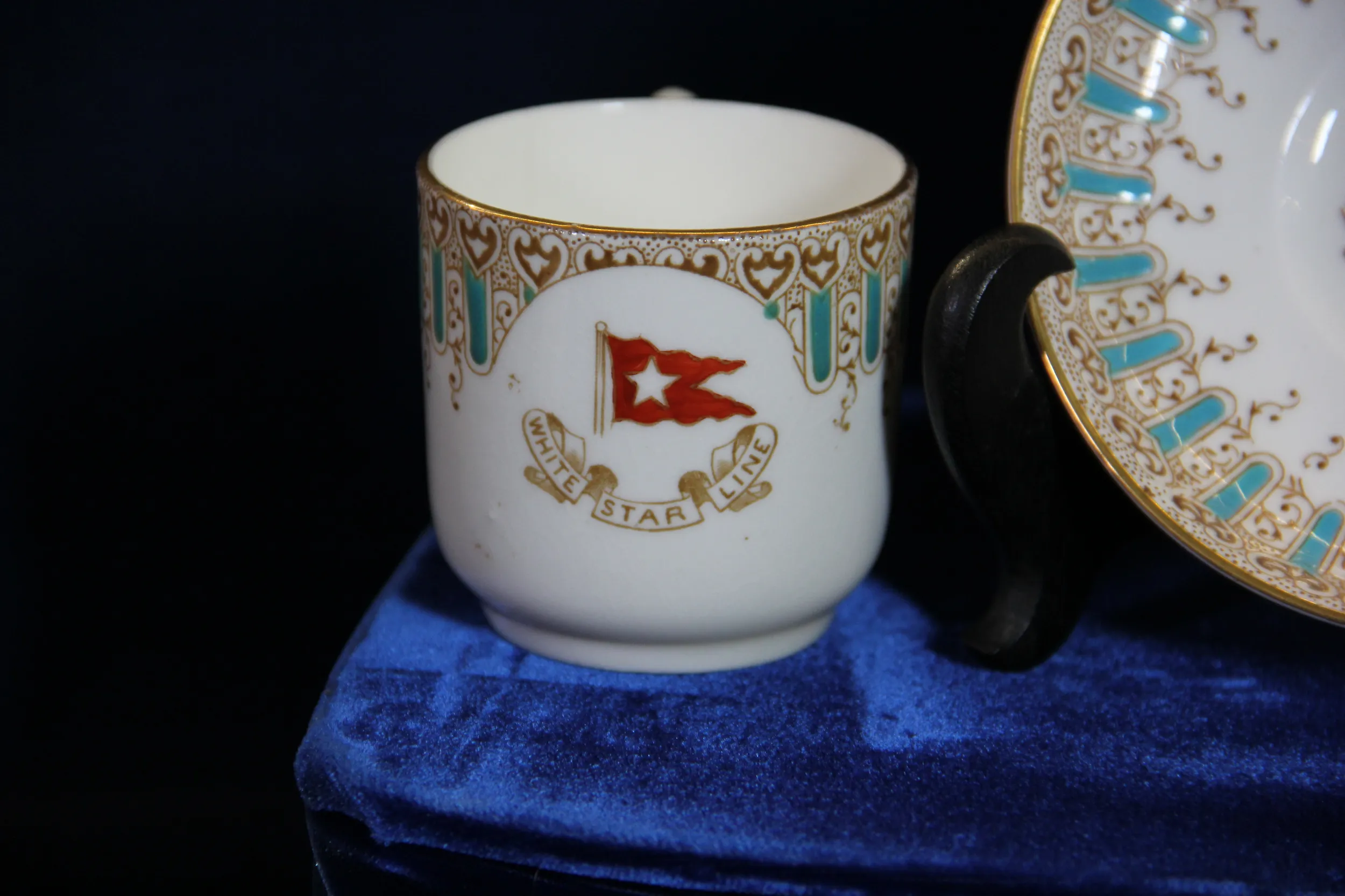
White Star Line Demitasse Cup & Saucer, ca. 1906
GUEST: About 20 years ago I went to a flea market in Painsville, Ohio.
APPRAISER: Okay.
GUEST: Just for fun with my husband and I don't know what he bought but I bought this cup and saucer. And I paid $20 for it, only because there wasn't anything else I wanted and I was starting a collection of demitasse. And I knew it was from the White Star Line and I knew it was a British company like Cunard.
APPRAISER: Sure.
GUEST: But I didn't really know much about it and it went in my cabinet where I kept all my demitasse.
APPRAISER: Okay.
GUEST: Of course when Titanic came out I happen to watch a lot of the videos that were, I don't mean the movie but just the thing about selling the artifacts from the Titanic that they had recovered.
APPRAISER: Documentaries and things like that.
GUEST: Yes and I happen to see clashes of this kind of dinnerware. Not demitasse but dinnerware and I said "Oh my goodness sake's." and so I went and looked at it and I did some research but they are not from the same group of china, they're two different numbers on the back and don't know anything about it. And I still prize it because I kind of just say it's my Titanic cup and saucer.
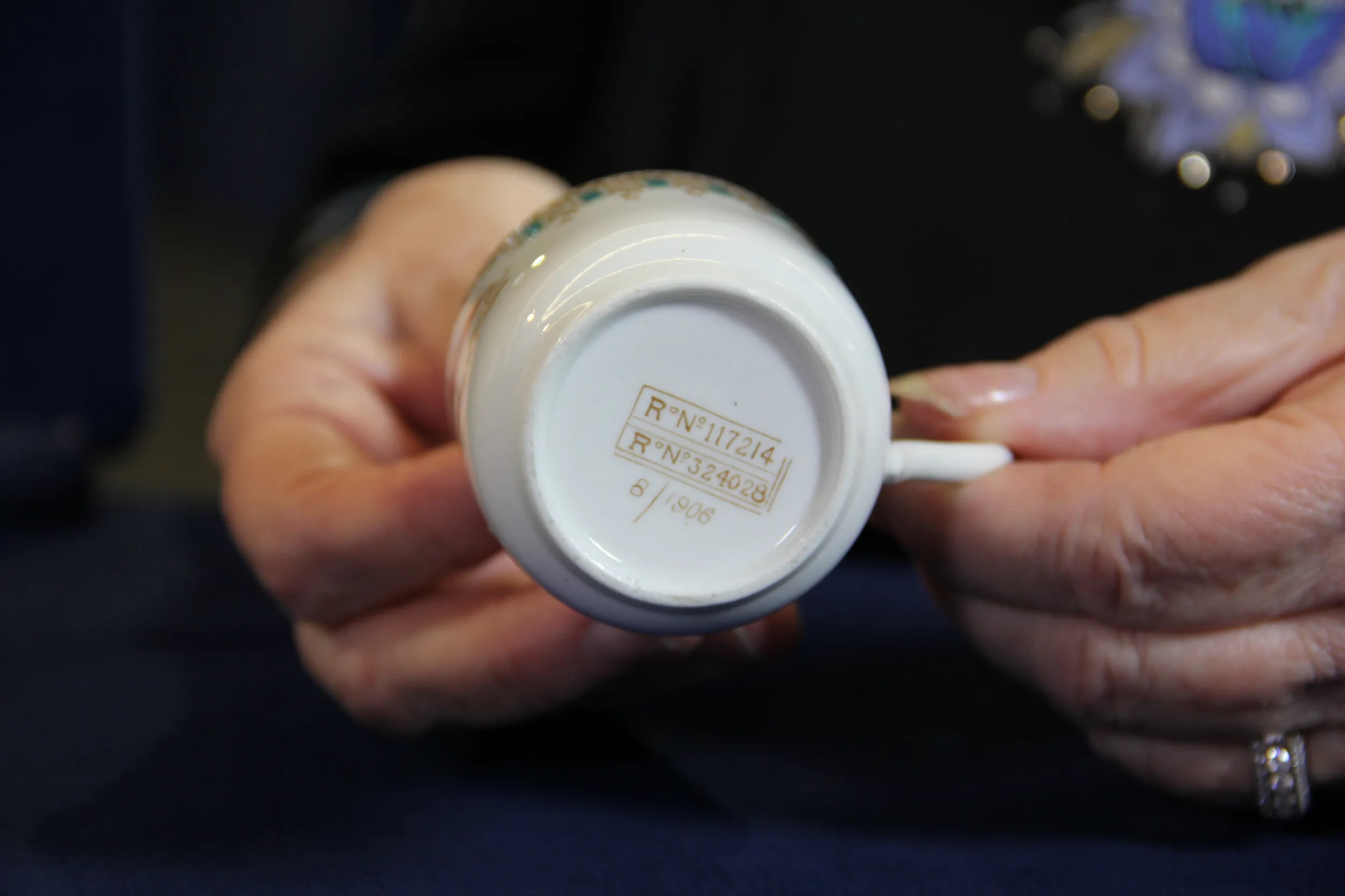
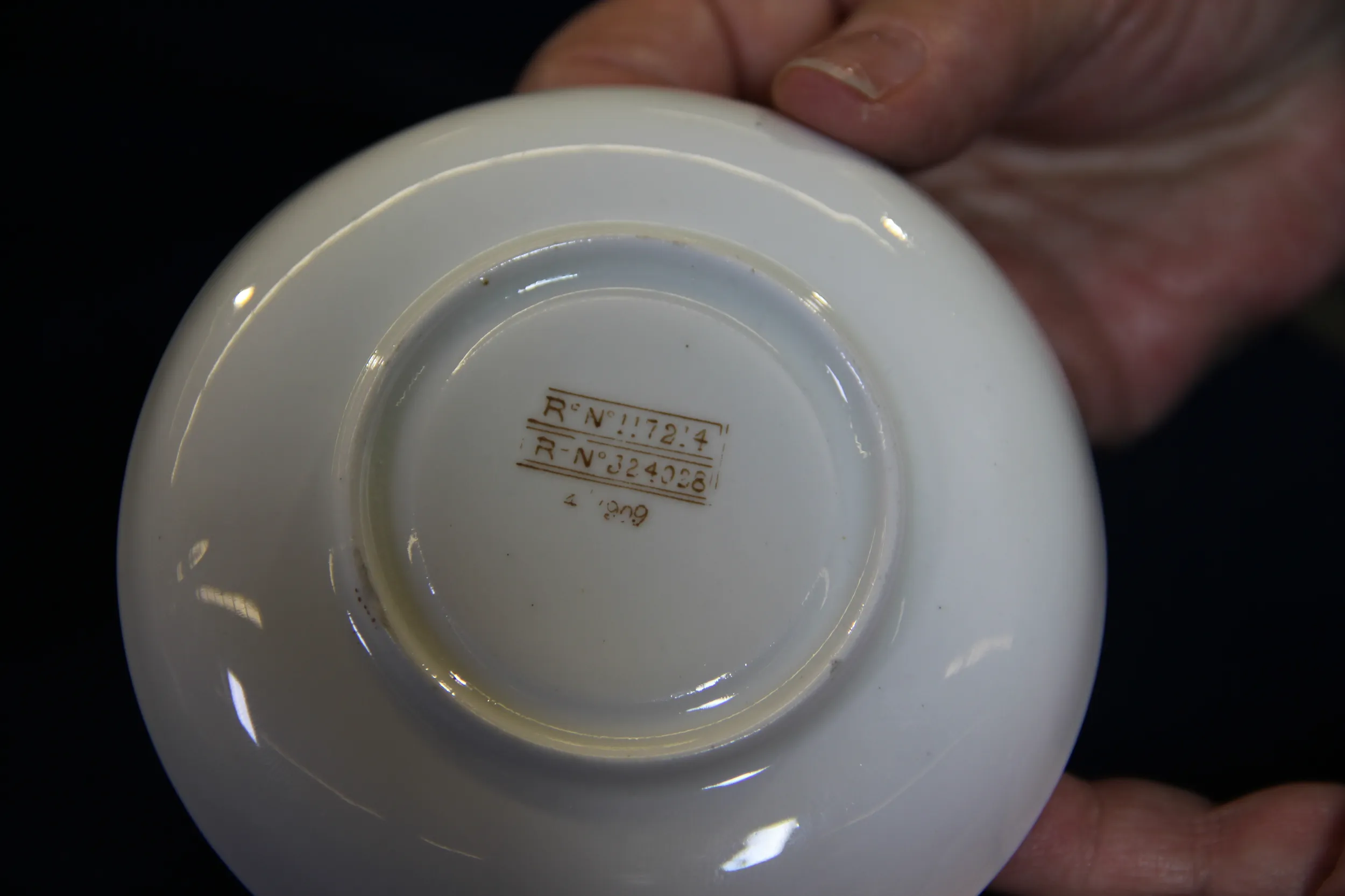
APPRAISER: Of course. I think we can take a look at the numbers on the bottom and we see those numbers really refer to, those are the registration numbers on top, the British registration system. And then there would be the date, 1906 the manufacturer. So the reality is the White Star Line, like you're saying like the Kinard Line or different other lines of steam ships had a number of different ships.
GUEST: Right.
APPRAISER: In fact the Titanic had a sister ship and many other ships that were like it. And many of them were fitted with china like this.
GUEST: Yes.
APPRAISER: This pattern is the Wisteria Pattern and it would have been the same pattern that would have been on Titanic. So the question is could it have been on the Titanic? And the answer is maybe, only because the Titanic made one stop before it sunk. And so if somebody was in first class, pocketed this cup and took it off, it's possible that happened. Course we don't know that, there's no way to document it. But the fact that it's possible and the fact that this is the same type that now rests at the bottom of the sea with the Titanic is what gets people excited. So it brings it from a $20 cup and saucer and elevates it in terms of value. So ever researched the value or anything like that?
GUEST: No I have not.
APPRAISER: The issue with these cups is they came in different size and different models, there's a lot of different variations on them and the devils in the details. For the cup and saucer at auction we're looking at $500 to $700. So not bad for a $20 purchase.
GUEST: No I think so, I think that's very nice to know, thank you.

$500 - $700 Auction
Photos
Nostalgic Collectibles
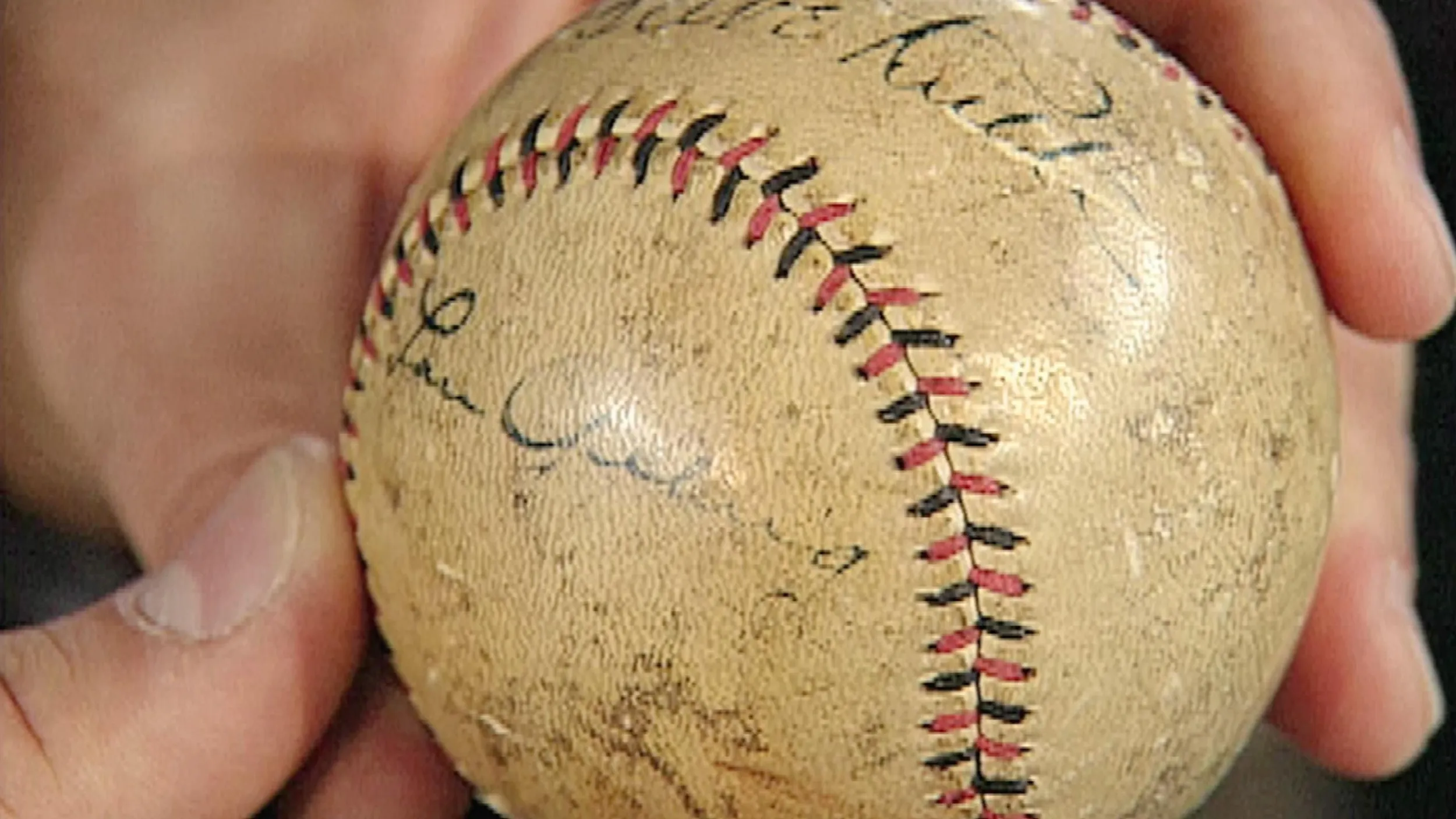
appraisal
1927 Babe Ruth & Lou Gehrig-signed Baseball
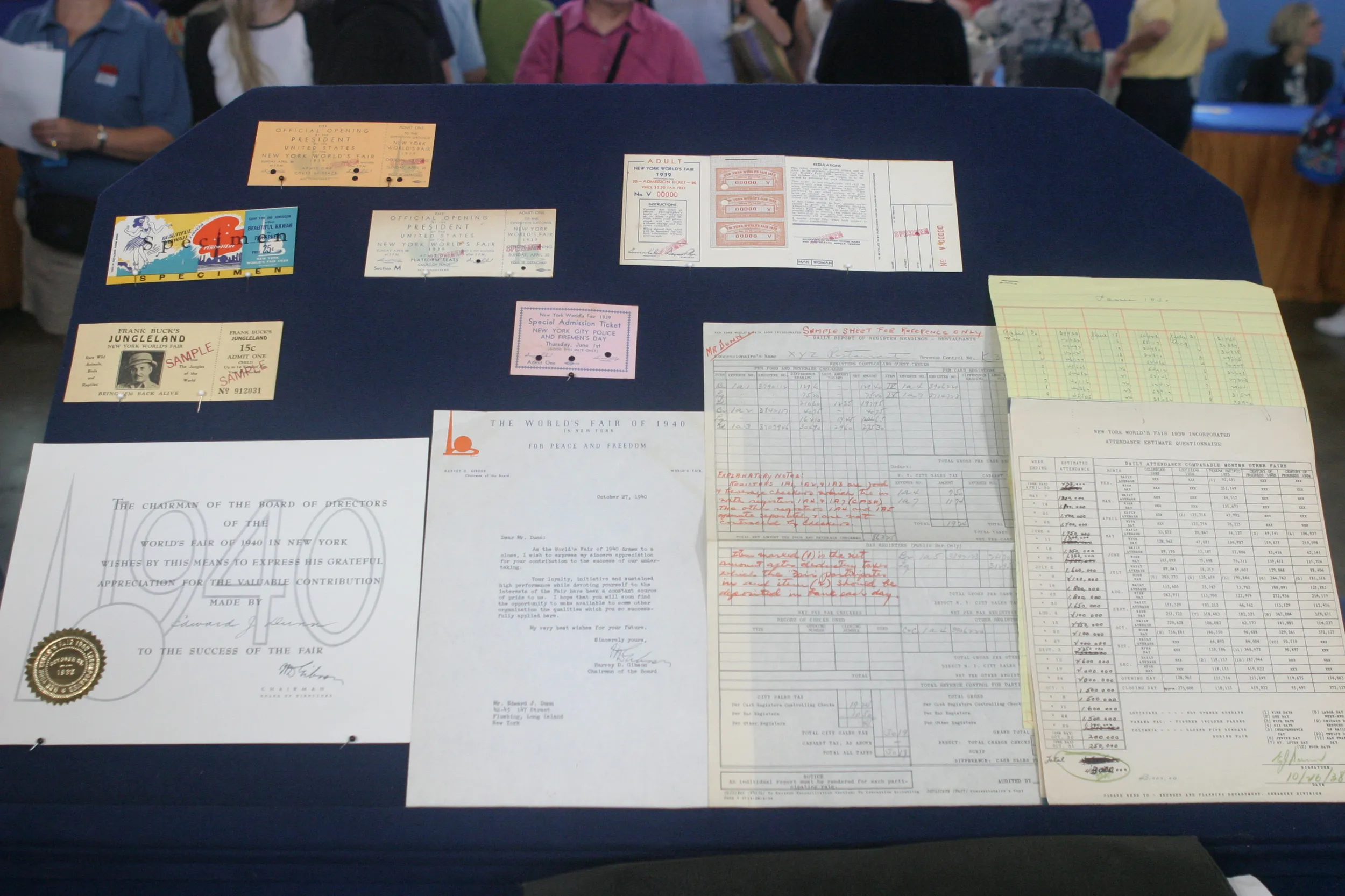
appraisal
1939-40 World's Fair Ephemera

appraisal
Zeenut Baseball Cards, ca. 1915
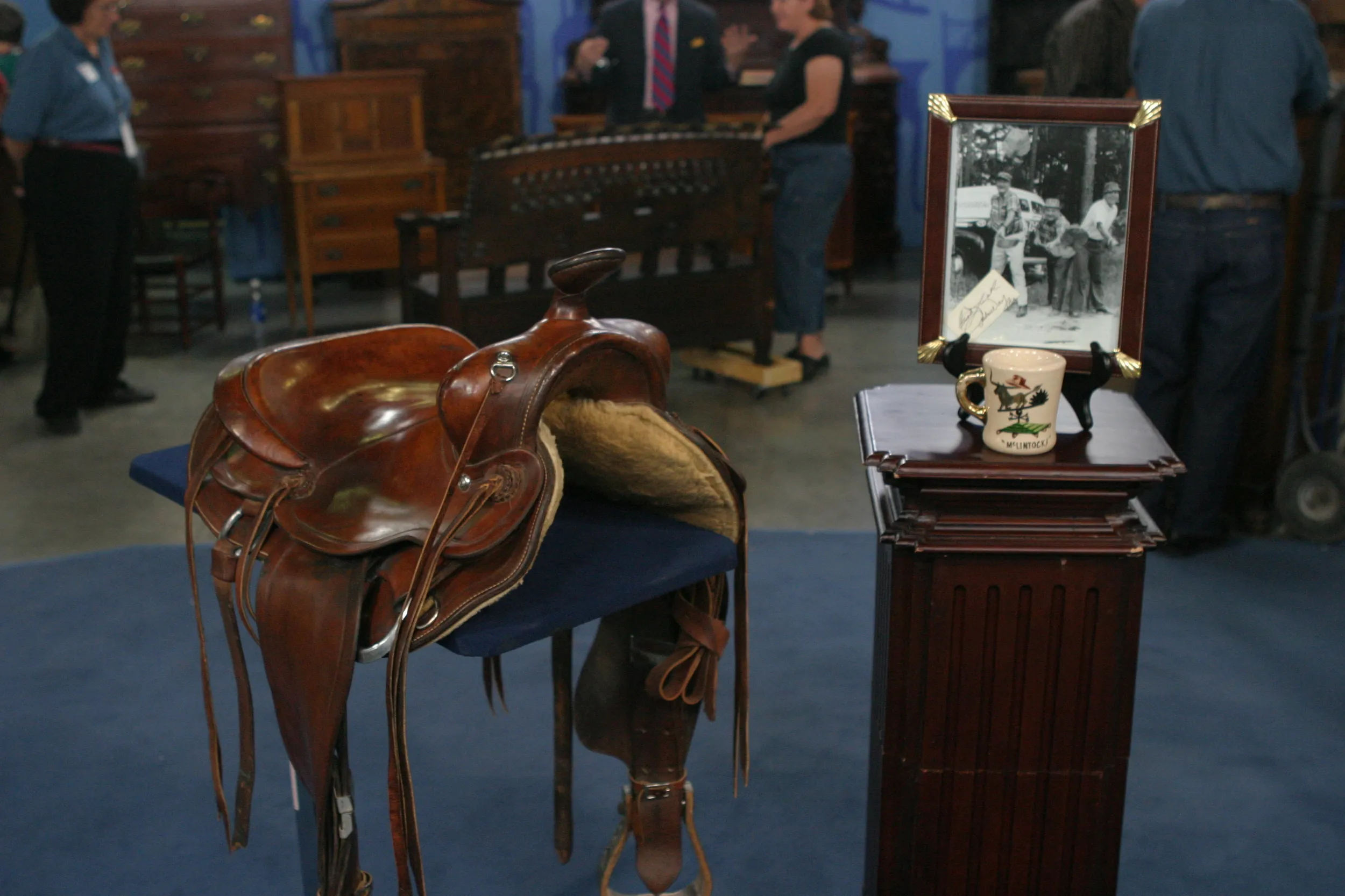
appraisal
John Wayne Memorabilia, ca. 1950
Understanding Our Appraisals
Executive producer Marsha Bemko shares her tips for getting the most out of ANTIQUES ROADSHOW.
Value can change: The value of an item is dependent upon many things, including the condition of the object itself, trends in the market for that kind of object, and the location where the item will be sold. These are just some of the reasons why the answer to the question "What's it worth?" is so often "It depends."
Note the date: Take note of the date the appraisal was recorded. This information appears in the upper left corner of the page, with the label "Appraised On." Values change over time according to market forces, so the current value of the item could be higher, lower, or the same as when our expert first appraised it.
Context is key: Listen carefully. Most of our experts will give appraisal values in context. For example, you'll often hear them say what an item is worth "at auction," or "retail," or "for insurance purposes" (replacement value). Retail prices are different from wholesale prices. Often an auctioneer will talk about what she knows best: the auction market. A shop owner will usually talk about what he knows best: the retail price he'd place on the object in his shop. And though there are no hard and fast rules, an object's auction price can often be half its retail value; yet for other objects, an auction price could be higher than retail. As a rule, however, retail and insurance/replacement values are about the same.
Verbal approximations: The values given by the experts on ANTIQUES ROADSHOW are considered "verbal approximations of value." Technically, an "appraisal" is a legal document, generally for insurance purposes, written by a qualified expert and paid for by the owner of the item. An appraisal usually involves an extensive amount of research to establish authenticity, provenance, composition, method of construction, and other important attributes of a particular object.
Opinion of value: As with all appraisals, the verbal approximations of value given at ROADSHOW events are our experts' opinions formed from their knowledge of antiques and collectibles, market trends, and other factors. Although our valuations are based on research and experience, opinions can, and sometimes do, vary among experts.
Appraiser affiliations: Finally, the affiliation of the appraiser may have changed since the appraisal was recorded. To see current contact information for an appraiser in the ROADSHOW Archive, click on the link below the appraiser's picture. Our Appraiser Index also contains a complete list of active ROADSHOW appraisers and their contact details and biographies.