Warren King
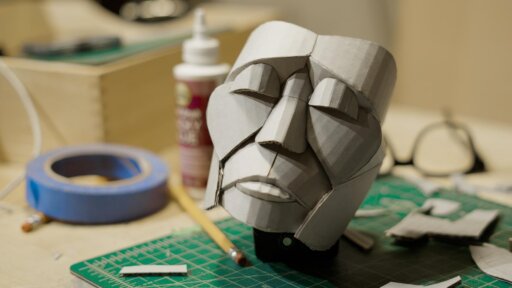
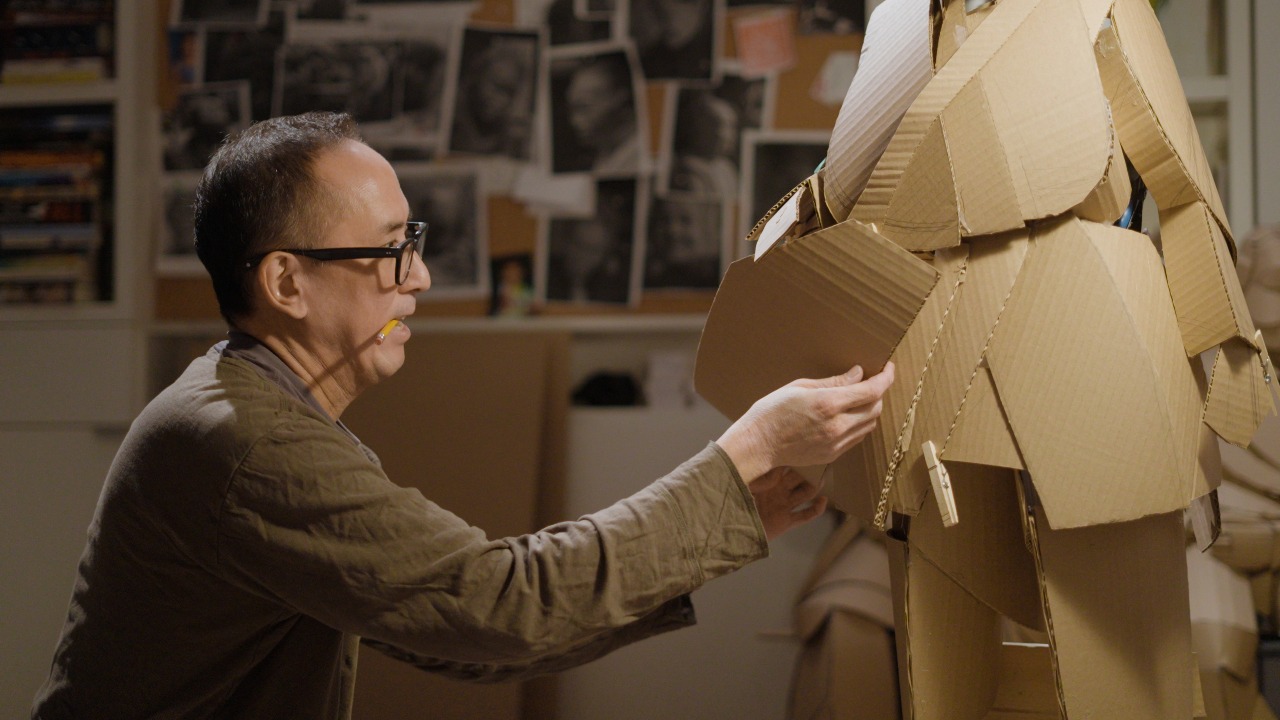
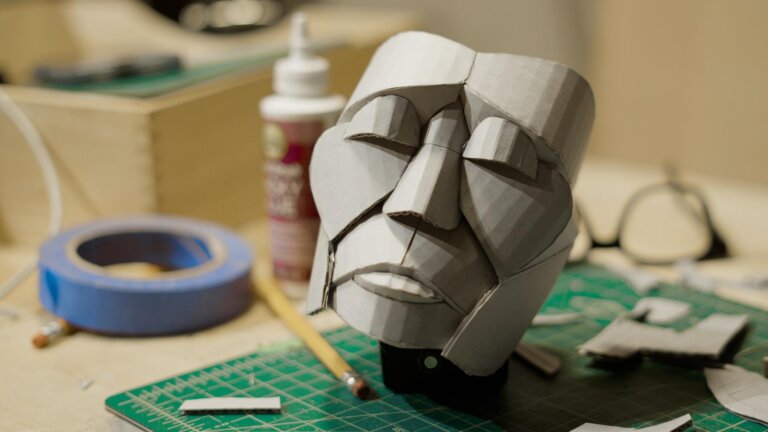
In Warren King’s world, even something as simple as cardboard can symbolize legacy.
Born and raised in Wisconsin, the artist found his calling when he switched from the highly analytical field of engineering to a more intuitive craft—sculpting with cardboard. Through art, King explores and unpacks aspects of the Midwest Asian American experience while tracing his own family’s immigration from China to the American suburbs.
When King quit engineering to follow his passion, it caused rifts within the family, but art became a way for him to reconnect with both his father and his roots. Suddenly, he was creating stunningly intricate life-sized cardboard figures of family members whose stories he had never known. “And that filled that gap in a certain way,” he explains. “You’re thinking about their movements, their subtle expressions. What makes that person them? At the end of it, I feel like I know them.”
King approaches his craft like a woodworker, paying close attention to the grain, character, and corrugations in each sheet of cardboard, which gives his figures a uniquely seamless geometric form that conveys subtle yet visceral emotions. A key piece in his collection captures his grandmother’s internal struggle at the exact moment she decided to leave China. Every shape and etching in his work reveals underlying themes around identity and belonging: “What does it mean to be a child of immigrants? How does that reflect on you? What parts of the old culture are carried through and why?” He admits, “I’m still on the path to figuring that out.”
Each artist featured in these five short films in Season 4 of In the Making draws on their family histories in their creative practices, using these stories as pathways to understand themselves.
From cardboard art to poetry and music, their works speak to Black creativity (Lani B. Supreme: Legacy), broken familial bonds (Warren King: King of Cardboard), Asian American identity (Cindy Tran: From Here to Here), cultural displacement (Alsarah: The Sonic Historian), and ancestral art (Stankface Standing Soldier: The Rise of Mato Wayuhi).
Jelani Akil Bauman
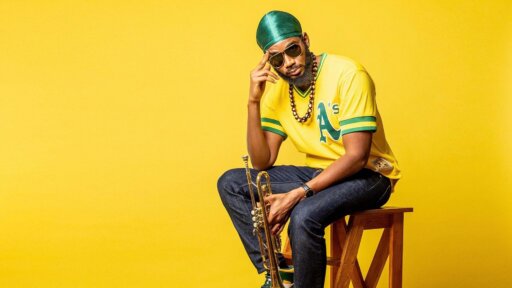
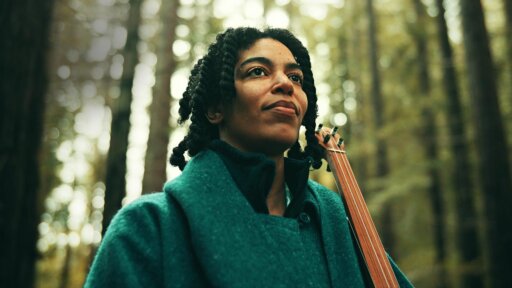
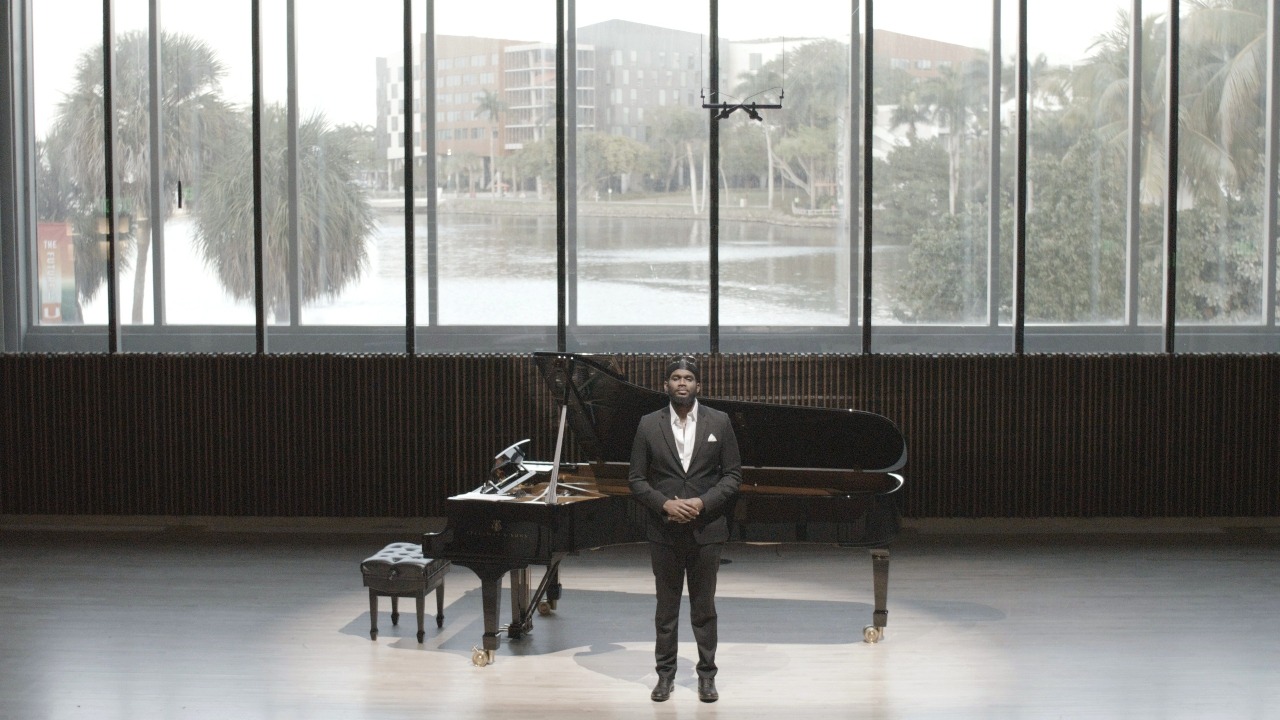
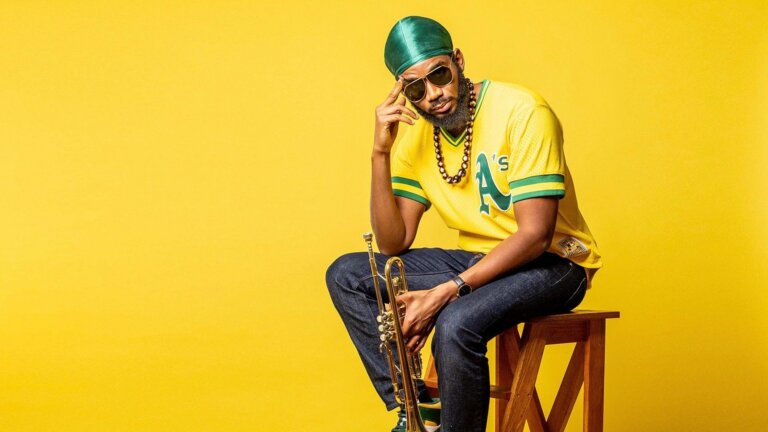
Musician Jelani Akil Bauman, a.k.a. Lani B. Supreme, communicates with his ancestors through sound.
The New Orleans-based trumpeter, composer, and educator comes from a distinguished lineage that’s inspired him to make music connecting the past, present, and future. His grandfather, Emery Humphery Thompson, performed with icons like Ella Fitzgerald and Wynton Marsalis; his great-grandfather, J.B. Humphery, dubbed the “grandfather of jazz,” revolutionized brass band music by injecting vibrant improvisation. So when Bauman was gifted trumpets as a child, it felt like carrying an illustrious torch.
In February 2023, Bauman composed a piece to commemorate the 60th anniversary of his sports idol Muhammad Ali’s upset victory over Sonny Liston. To prepare for his performance, Bauman trained like a boxer to adopt that mindset, recording the show for his 2025 debut album, The Future Is Bright: Live at the Brooklyn Museum. “To honor the people who came before me through sound,” Bauman says, “to me, that means speaking my truth through my soul, through my heart.”
Mato Wayuhi
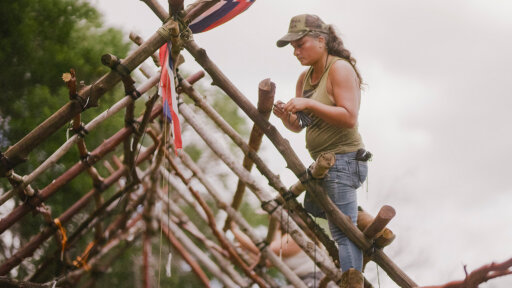
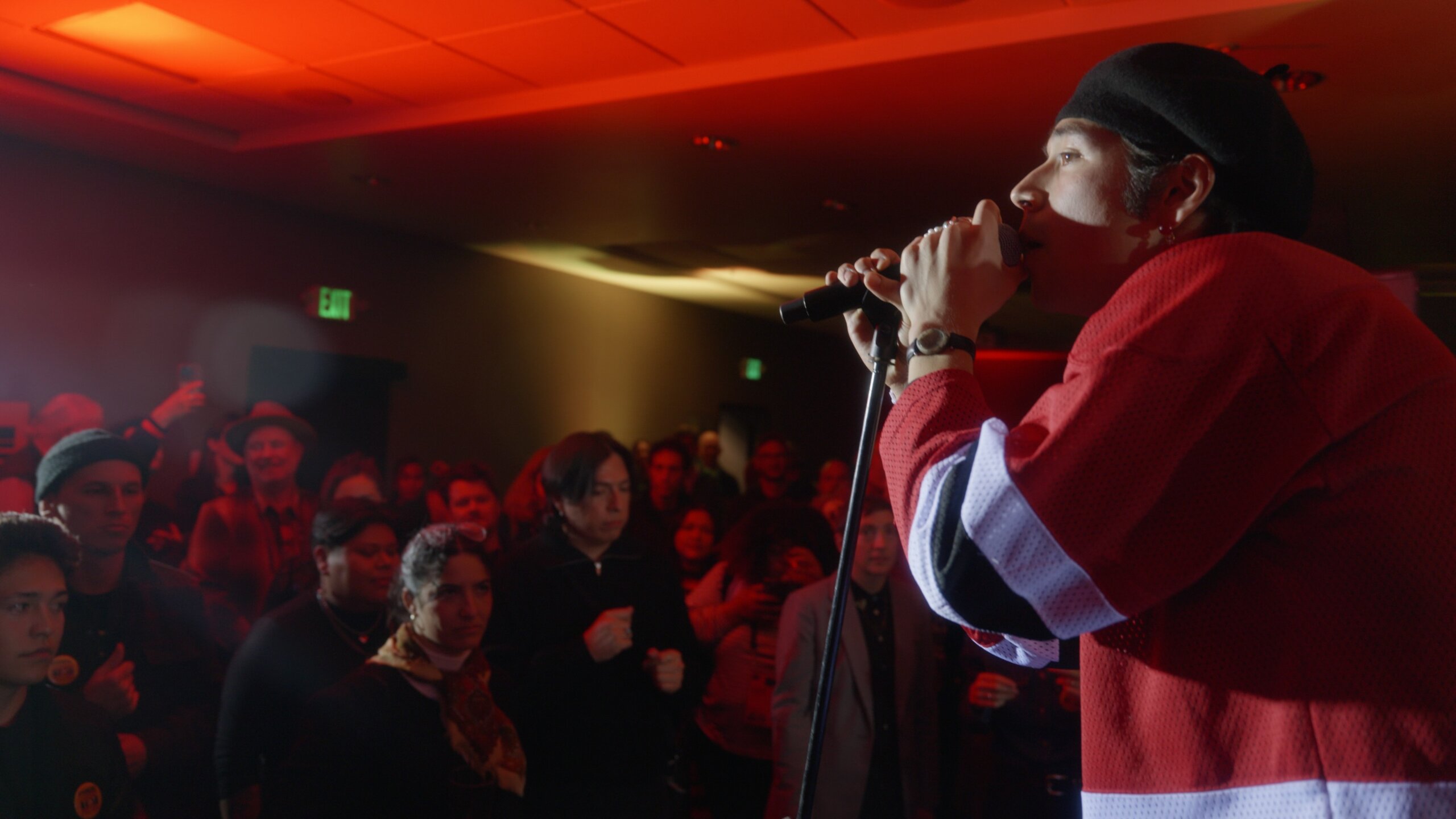
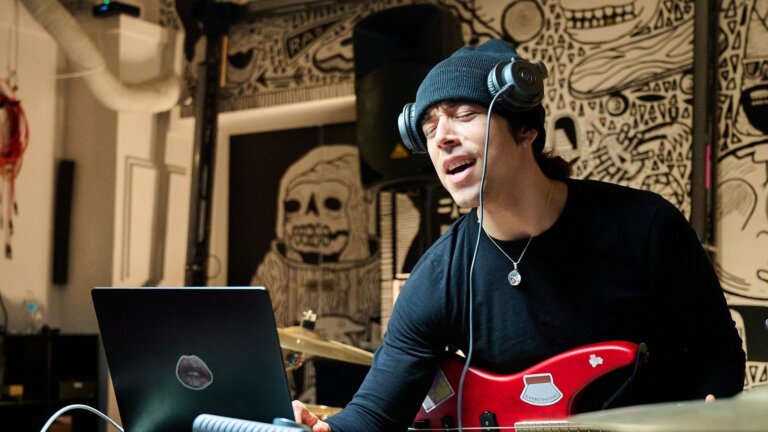
Mato Wayuhi, an Oglala Lakota musician and composer, similarly lets his ancestral instincts guide his artistic expression.
Growing up in Pine Ridge, South Dakota, he was exposed to ceremonial music at Sun Dances and Sweat Lodges and later began writing his own songs to honor his heritage. “Music is kind of my compass and how I find a lot of navigation through life,” he explains.
When a producer approached him to create music for the FX series Reservation Dogs—a coming-of-age story about Indigenous teenagers in Oklahoma—Wayuhi eagerly accepted. He says, “Those are my relatives on screen, so I felt very comfortable and secure in telling their story.” On his 2025 album, Stankface Standing Soldier, reclaiming his Indigenous name, he raps wistfully about love, loss, and grief over his father’s passing. The album begins and ends with intimate voice memos of his father discussing a Lakota song, and voices of ancestors echo throughout, placing Wayuhi in direct conversation with them.
Cindy Tran
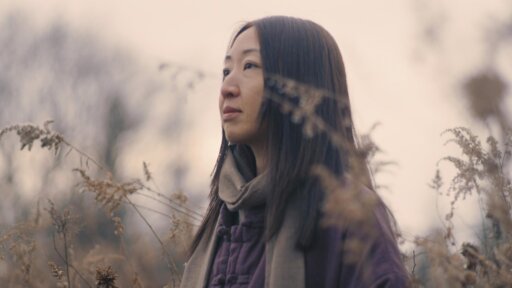
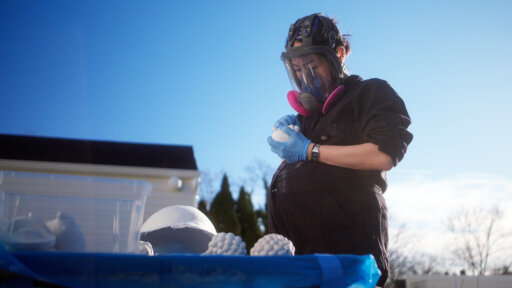
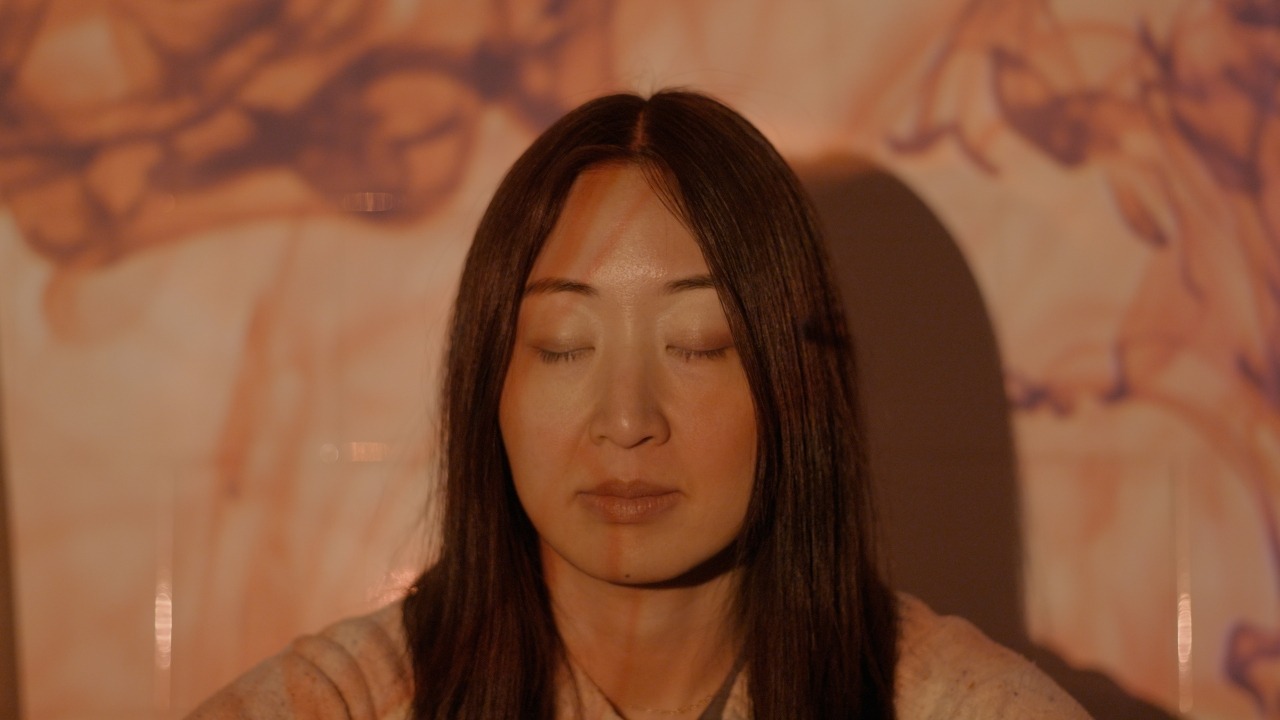
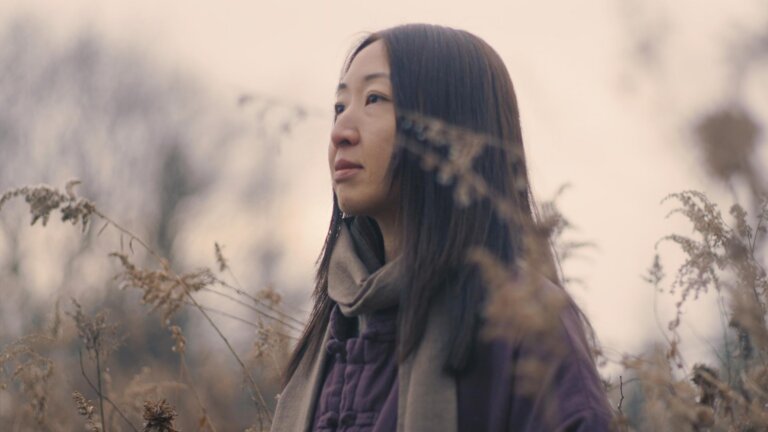
Cindy Tran reflects on her lineage through a more conflicted lens.
Born in the U.S. to Vietnamese parents, Tran dropped out of high school and worked various retail and desk jobs before discovering poetry as an outlet for processing painful memories, posting her poems on Yelp first. “Writing poetry was the only thing that ever felt honest to me,” she says.
In her poetry, Tran vividly recounts her childhood with her parents, who arrived as refugees in Westminster, California, in 1981. She revisits her father’s account of American soldiers burning his neighborhood with as much clarity as she does his use of silence as a “weapon” in their home. Describing her mother’s submissiveness, she writes, “Now blood comes out of her mouth with every no.” Tran’s words are direct and unsoftened. Her poems reflect on the difficult decisions of an immigrant parent. “A really good poem will always meet you where you’re at,” she says. “I hope to write poems that will meet people exactly where they’re at.”
Alsarah
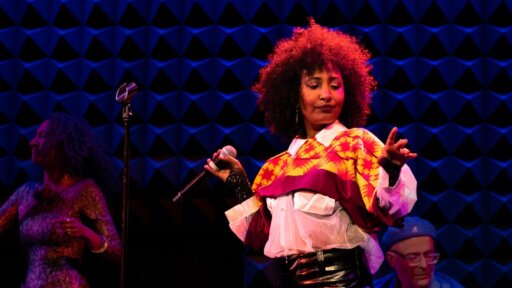
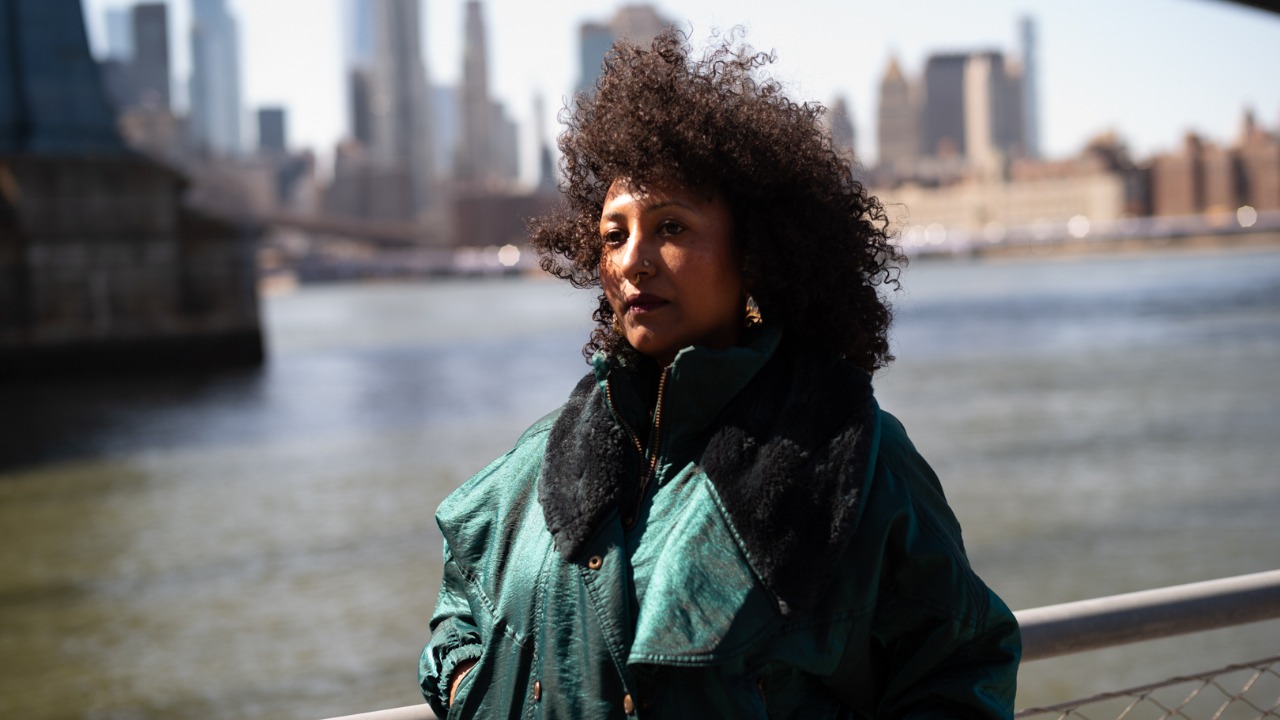
After years of displacement, Sudanese musician and ethnomusicologist Alsarah has developed a more decentralized concept of home.
Her parents, passionate leftist activists, fled Sudan after being placed on a wanted list, initially settling in Yemen before relocating to the U.S. in 1994. Alsarah explains, “I do not think of home as a physical space anymore, so for me, Sudan is wherever there are Sudanese people.”
Alsarah was 12 when her parents moved to the States, where she immersed herself in Brooklyn’s Sudanese music scene as a singer, songwriter, producer, and frontwoman of Alsarah & the Nubatones, a band of all immigrants, including her sister Nahid. Alsarah describes their 2025 album Seasons of the Road as a deep dive into what she calls “East African retro pop.” Through her work, Alsarah aims to challenge the dominant Arab-centered sound.
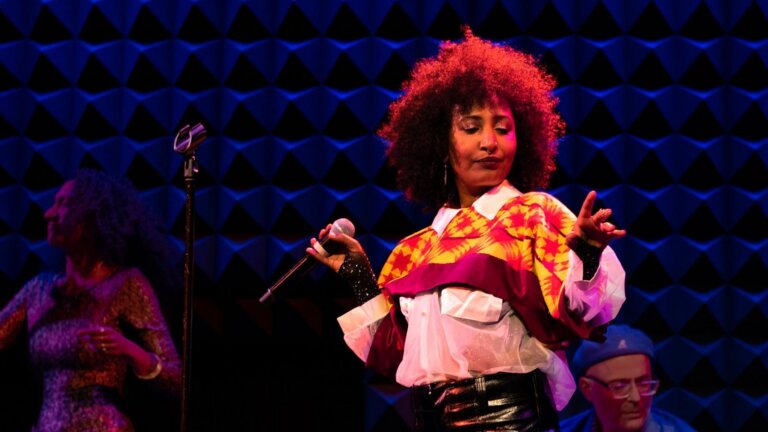
Like every artist in this season of In the Making, she sees art as a language of survival. “Music, for me, is a powerful timekeeper,” she says. “This is why I will always stay invested and true to it.”