
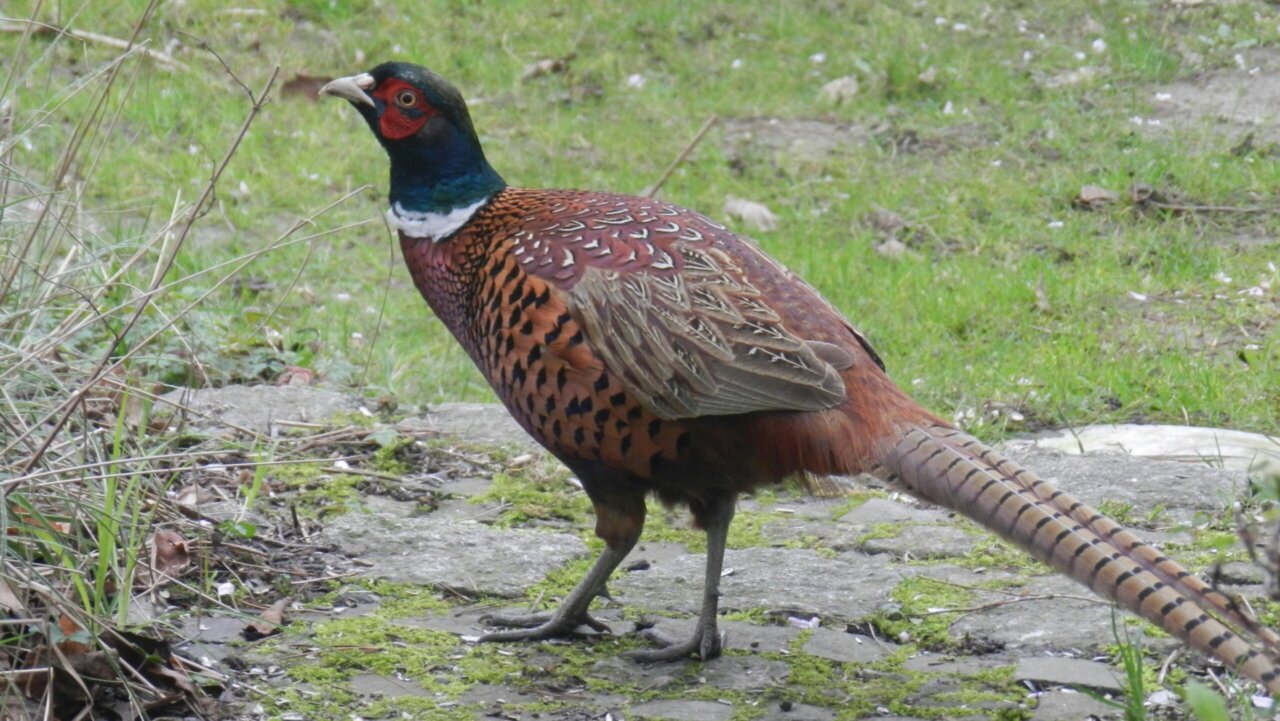
Photo by Adrian Weitkemper on Pexels.
Pheasant: a bird in the Phasianidae family that is native to Eurasia.
Kingdom: | Animalia
Phylum: | Chordata
Class: | Aves
Order: | Galliformes
Family: | Phasianidae
There are around 50 species of pheasants in the family Phasianidae, which includes a diverse range of colorful and uniquely adapted birds.
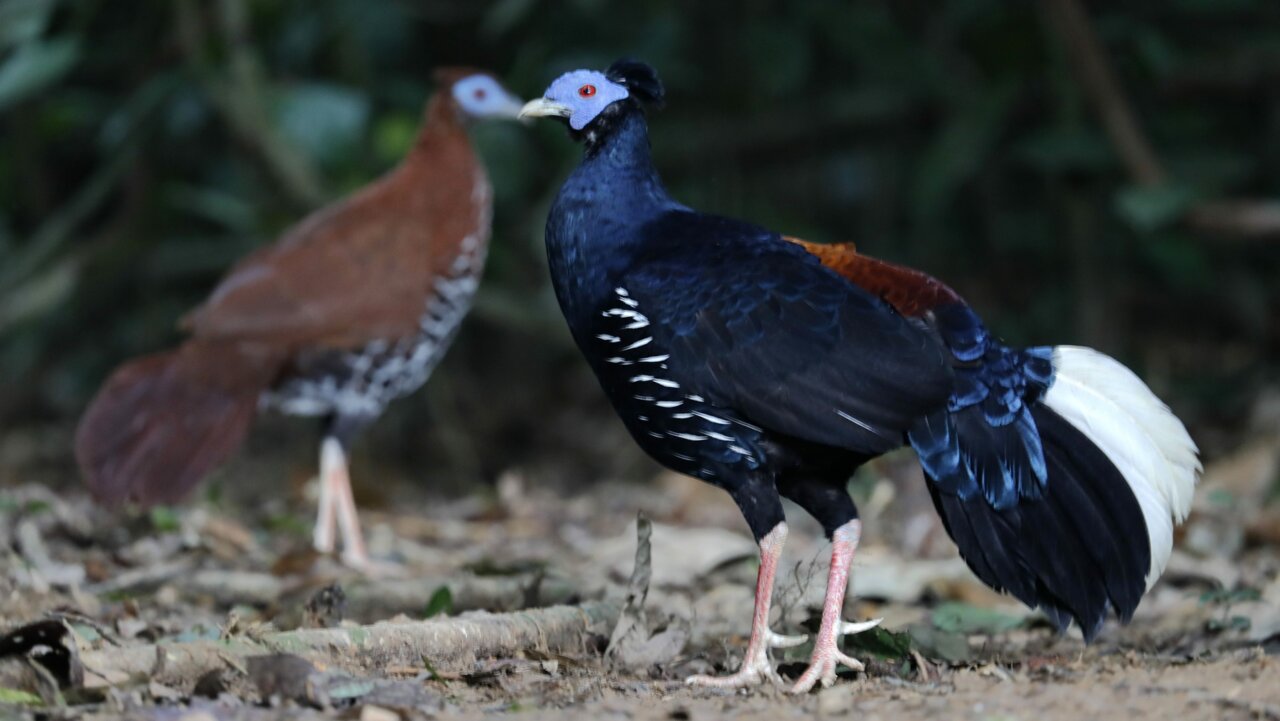
Crested Fireback or Malay Crested Fireback in Taman Negara National Park, Pahang, Malaysia. Photo: Wikimedia Commons
Size and Weight:
Pheasants range in size and weight depending on the species. Males are usually larger than females and have longer tails. The largest species is the Reeves’s Pheasant (Syrmaticus reevesii), which weighs 2.5 to 4.5 pounds and measures up to 6.5 feet long, including its extremely long tail. The Mountain Peacock-Pheasant (Polyplectron inopinatum) is the smallest species, weighing 1 to 1.5 pounds and measuring around 20 inches long.
Appearance:
Pheasants are medium to large-sized birds known for their ornate plumage, long tais, and strong legs. Males are often more colorful than females, displaying bright iridescent feathers, striking patterns, and elaborate tails, while females are typically more muted in color for camouflage.
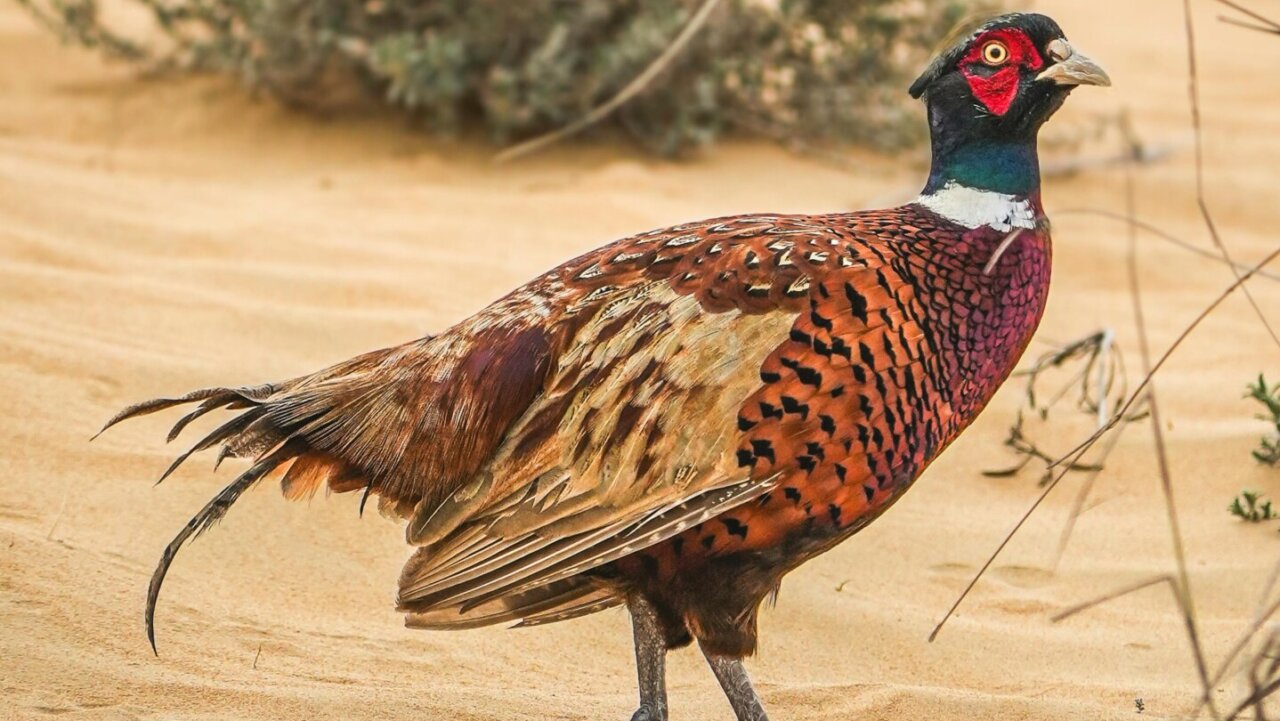
Vibrant ring-necked pheasant in sandy habitat. Photo: Pexels
Diet:
Pheasants are omnivores, which means they eat plants and animals. Although they eat both, about 90% of their diet comprises plants and grains. In the wild, pheasants forage and eat insects, grains, grass, seeds, fruit and vegetables. Their diet varies by season, location and species.
Habitat:
Pheasants thrive in diverse habitats such as grasslands, woodlands, and farmlands.
Geography:
Pheasants are native to Asia but have been introduced to many parts of the world, including Europe, North America, and New Zealand.
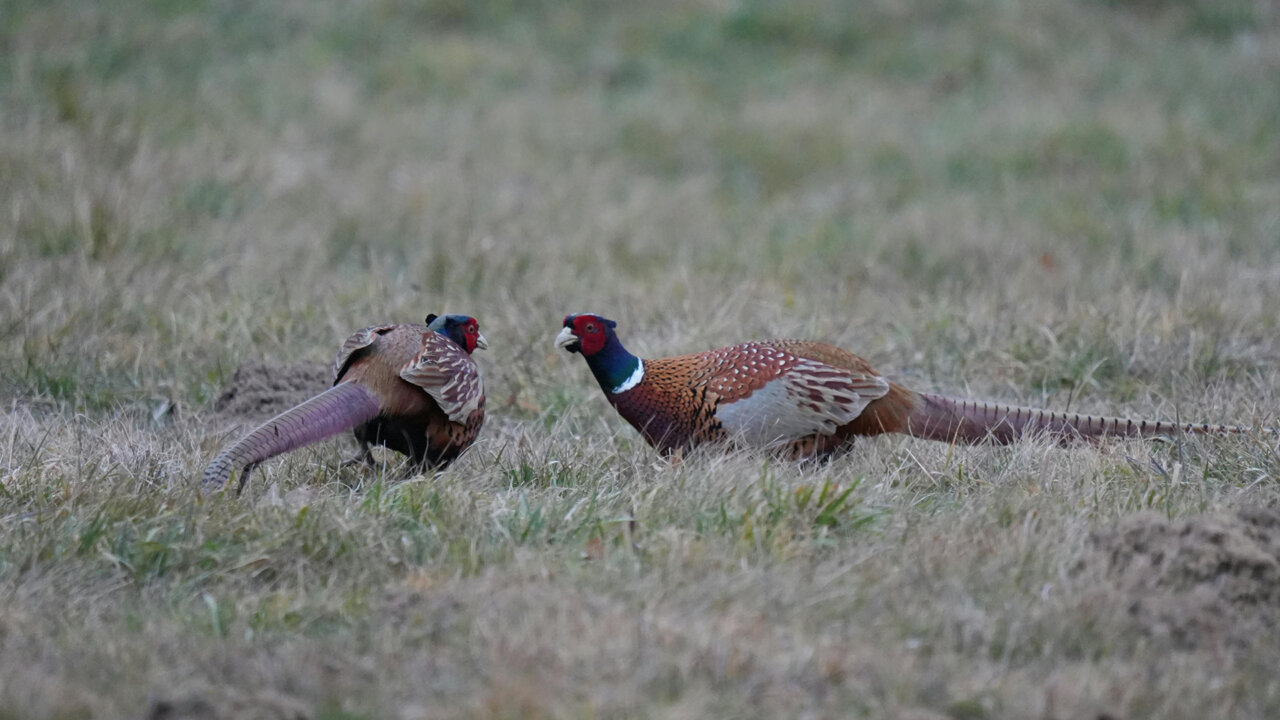
Photo by Nikola Tomašić/ Pexels
Breeding:
Pheasants have a seasonal breeding cycle, typically occurring in spring and early summer when food is abundant. They generally have a polygynous social structure, which means one male mates with multiple females during the breeding season. The dominant males establish territories and attract females through elaborate courtship displays, which include bright plumage, vocal calls, and wing-flapping.
After mating, females build hidden nests on the ground, often in tall grass or under bushes for protection. She lays 8 to 15 eggs and incubates the eggs for about 22 to 28 days. The male does not participate in nesting or chick-rearing. The chicks hatch with their eyes open and can walk and feed themselves within hours. They develop quickly and can fly short distances at around 2 weeks old. By 10 to 12 weeks, they become independent, and by one year, they reach sexual maturity.
Social Structure:
Outside the breeding season, pheasants tend to be solitary or form small, loose flocks. Females often group together, while males may remain alone or in small bachelor groups. During winter, larger flocks may form for safety and warmth.
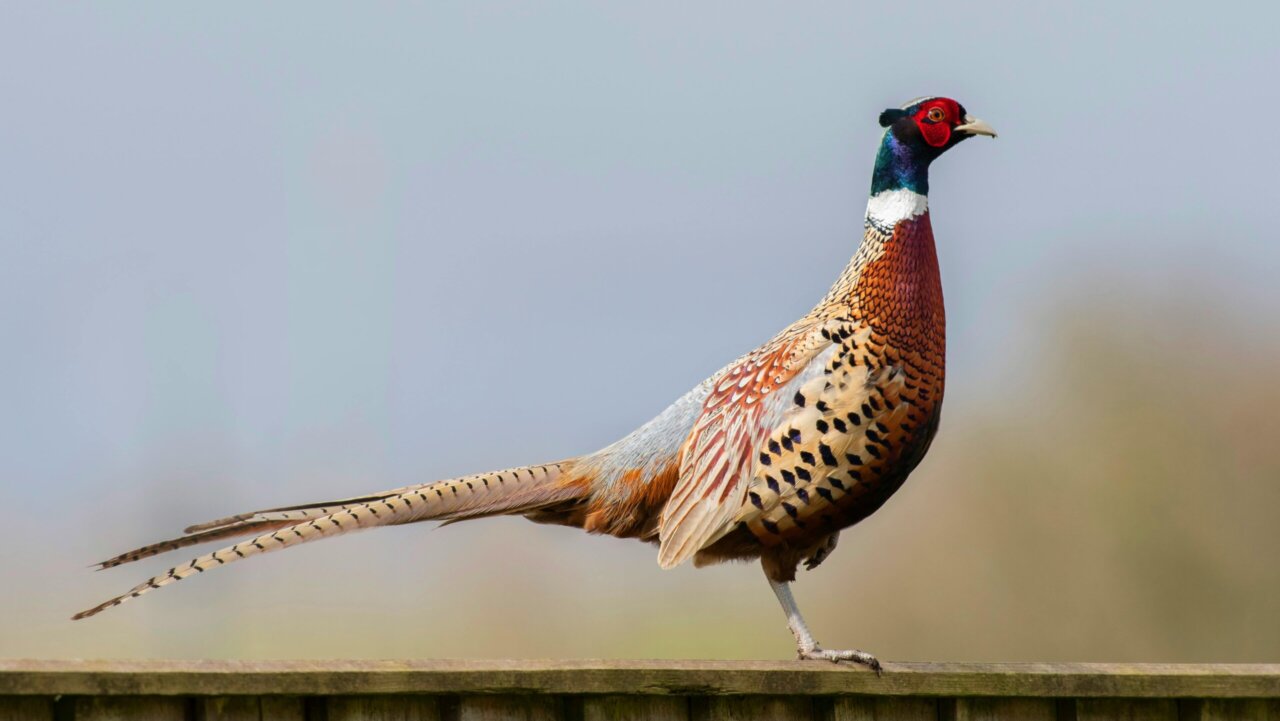
Photo by Zonda/ Pexels
Lifespan:
The lifespan of a pheasant depends on factors like species, habitat, and predation. In the wild, most pheasants live 3 to 5 years, though many do not survive their first year due to predators and hunting. In captivity, pheasants can live up to 11 years.
Threats:
Pheasants face several threats, including predation from foxes, hawks, and other animals, as well as habitat loss due to agriculture and urban development. Excessive hunting, harsh weather conditions, and climate change further impact their populations. Pesticides reduce their food supply, while diseases like avian influenza pose additional risks.
Conservation Status:
The conservation status of pheasants varies by species. The ring-necked pheasant (Phasianus colchicus) is widespread and not threatened, while others face significant risks. Many pheasant species are classified as Vulnerable, Endangered, or Critically Endangered due to habitat loss, hunting, and climate change. For example, the Edwards’s pheasant (Lophura edwardsi) is Critically Endangered and possibly extinct in the wild.
Source: San Diego Zoo Wildlife Alliance and the Australian Museum.