
The Private Life of Deer
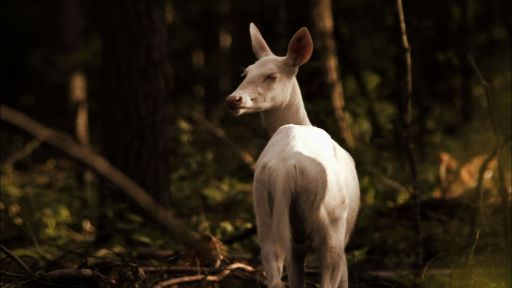
The ghost deer are whitetailed deer, colored completely white due to a lack of melanin—a natural pigment found in most organisms.
The ghost deer are whitetailed deer, colored completely white due to a lack of melanin—a natural pigment found in most organisms.

Despite the presence of white-tailed deer in our lives, we've only begun to understand what's going on in their lives. "The Private Life of Deer" airs Wednesday, November 27 at 10/9c (check local listings).
WATCH PREVIEW
For 450 years, Lipizzaner stallions have been performing for audiences in Austria's capital. The stallions go through extensive training at the Spanish Riding School, where they learn to perform acrobatic feats and synchronized movements known as high classical dressage. "Legendary White Stallions" premieres Wednesday, May ...
WATCH CLIP
Far from the Spanish Riding School in Vienna, Lipizzaner foals begin life with their mothers in the hills of Western Styria on the Piber Stud Farm. Surprisingly, the young horses are born dark brown or black, gradually turning white over time. A few remain brown ...
WATCH CLIP
The striking white Lipizzaner stallions of the famed Spanish Riding School in Vienna have been thrilling audiences for centuries. "Legendary White Horses" premieres Wednesday, May 1 at 8/7c (check local listings).
WATCH PREVIEW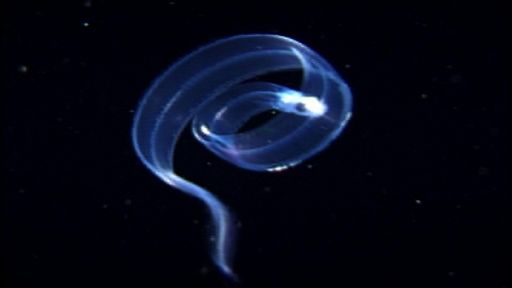
The remarkable lifecycle of the eel, a catadromous fish found all over the globe, in fresh and salt water ecosystems alike. Eels begin life in the ocean before migrating in their larval stage to rivers and streams where they can spend decades before returning to ...
WATCH CLIP
Artist and writer James Prosek explores the dark, mysterious world of the eel.
WATCH PREVIEW
Unable to produce its own food, the dodder vine must live entirely off a host plant. In a series of experiments, Researchers Consuelo M. De Moraes and Mark Mesker show that to find a host plant from which to drain nutrients, the parasitic plant "sniffs" ...
WATCH CLIP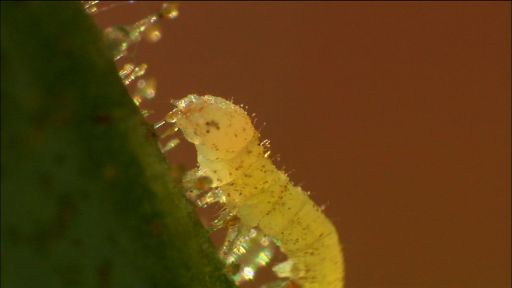
To protect against herbivores the wild tobacco plant deposits trichomes, sweet treats irresistible to but also potentially fatal for leaf-eating caterpillars. Shortly after ingesting the trichomes, the insect releases a particular odor that attracts ground-foraging predators. "What Plants Talk About" premieres Wednesday, April 3 at ...
WATCH CLIP