Turtles & Tortoises
Testudines
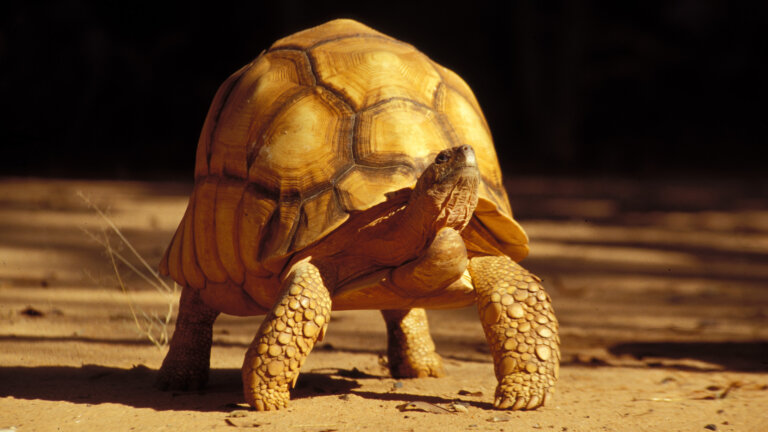
Turtles (order Testudines) are reptiles with a protective shell made of a dorsal carapace and ventral plastron. The shell is primarily bony, formed from broadened ribs and vertebrae fused with dermal bone, and in most species it is covered by keratin scutes (the leatherback is an exception, with a leathery covering). The turtle lineage extends back to the Late Triassic (~220 million years ago), making turtles one of the oldest living reptile lineages. More than half of living turtle and tortoise species are threatened with extinction. Turtles are ectotherms (“cold-blooded”), but leatherback sea turtles can keep their core body temperature above surrounding seawater. Like other amniotes (reptiles, birds, and mammals), turtles breathe air, and all turtles lay their eggs on land. Tortoises are turtles in the family Testudinidae that are primarily adapted for life on land while “turtle” often refers to aquatic and semi-aquatic species.