Skip to main content Skip to footer site map

Bighorn Sheep

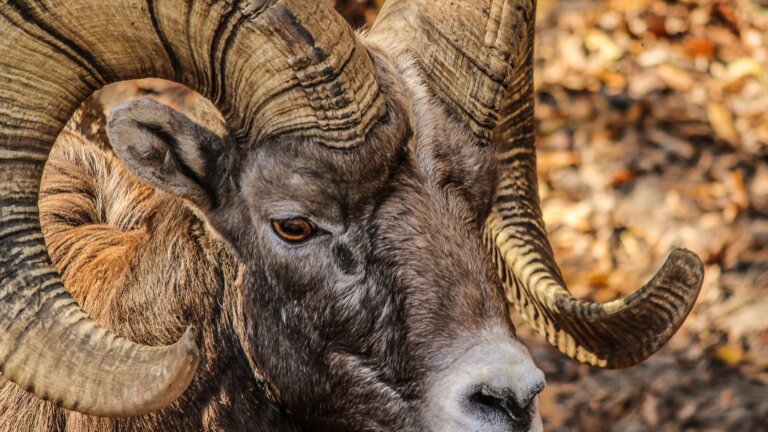
Bighorn sheep (Ovis canadensis) are stocky, sure-footed wild sheep (family Bovidae) native to western North America, best known for the heavy, curved horns of adult males (rams). fFmales (ewes) also have horns, but they are smaller and less dramatically curled. They typically live in steep, rocky “escape terrain” in mountains and desert ranges, where specialized hooves and agility help them evade predators more by climbing than by long-distance running. Bighorns are herbivorous and feed largely on grasses. In desert populations, reliable water sources can be a key limiting factor. Populations exist in many areas but are often fragmented and vulnerable to sudden declines, with infectious pneumonia (strongly linked to contact with domestic sheep) remaining a major obstacle to restoration.
Bighorn sheep (Ovis canadensis) are stocky, sure-footed wild sheep (family Bovidae) native to western North America, best known for the heavy, curved horns of adult males (rams). fFmales (ewes) also have horns, but they are smaller and less dramatically curled. They typically live in steep, rocky “escape terrain” in mountains and desert ranges, where specialized hooves and agility help them evade predators more by climbing than by long-distance running. Bighorns are herbivorous and feed largely on grasses. In desert populations, reliable water sources can be a key limiting factor. Populations exist in many areas but are often fragmented and vulnerable to sudden declines, with infectious pneumonia (strongly linked to contact with domestic sheep) remaining a major obstacle to restoration.